
Fire resistant mica tape for cables
Published time:
2026-01-27 16:06
Source:


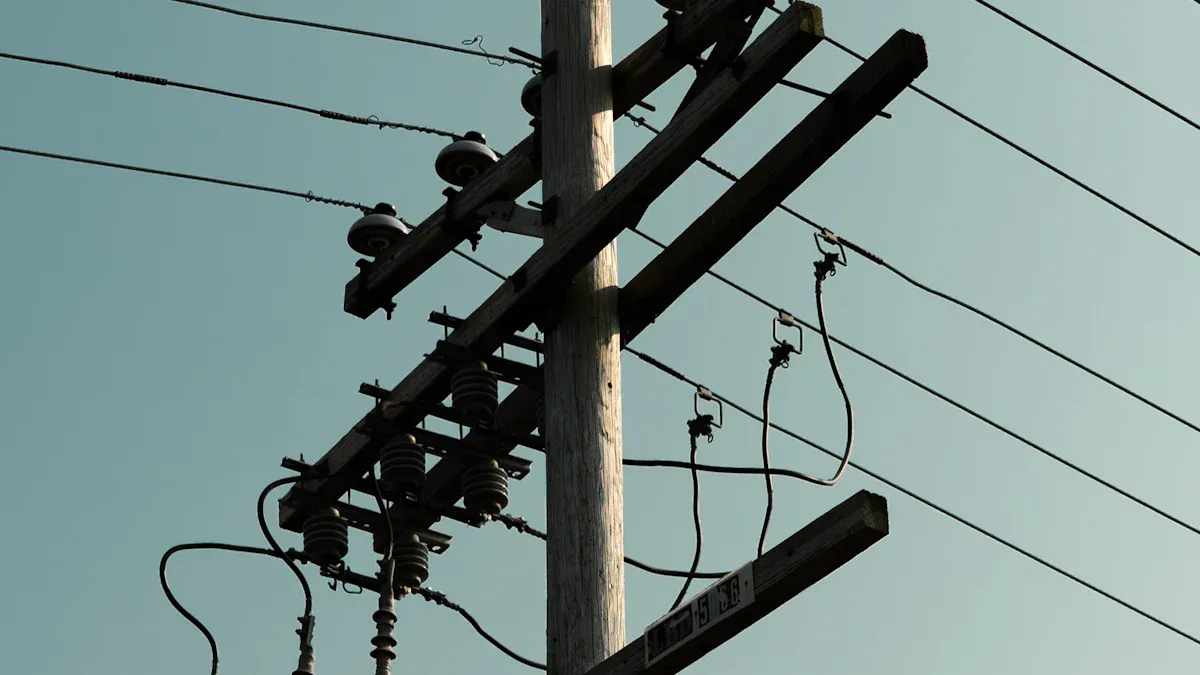
Fire resistant mica tape is a special material. It helps protect cables from fire and very high heat. Its main job is to keep electricity working during a fire. It also stops dangerous problems from happening. This tape is important for safety rules in big buildings. There are different types of mica tape. These are phlogopite, muscovite, synthetic, and calcined. They all work well in high heat:
Mica tape does not have halogen and is not poisonous. It helps protect the environment and fights fires.
Key Takeaways
- Fire resistant mica tape keeps cables safe from fire and heat. It helps cables work during emergencies. Different mica tapes, like phlogopite and muscovite, can handle different heat levels. This makes them good for certain jobs. Mica tape does not have halogen and is not toxic. It helps the environment because it does not make bad gases in a fire. Picking and putting in mica tape the right way is very important. It keeps cables safe and follows fire safety rules. Fire resistant mica tape is needed in important places like hospitals and power plants. It helps cables work well if there is a fire.
What is fire resistant mica tape
Composition and Structure
Fire resistant mica tape is made from thin layers of mica mineral. Manufacturers reinforce these layers with glass cloth or polyethylene (PE) film. This design gives the tape both flexibility and strength. The tape uses a binder to hold the mica and glass together. Most tapes contain more than 80% mica, which provides excellent heat resistance. The glass content ranges from 5% to 10%, while the binder makes up about 10% to 15%.
The table below shows the main properties of fire resistant mica tape used in cables:
The structure of mica tape helps it resist fire. The mica paper, reinforced with glass cloth or PE film, gives the tape high thermal stability and strong mechanical properties. Natural mica stays stable up to 950°C, while synthetic mica can handle up to 1100°C. The tape does not contain halogen, so it does not release toxic gases during a fire. This makes it safe for people and the environment.
Main Function in Cables
Fire resistant mica tape plays a key role in cable safety. It acts as a barrier that protects the cable’s core from fire and heat. This helps keep the cable working during emergencies. The tape also stops flames from spreading along the cable.
Key functions include:
- 🛡️ Maintaining circuit integrity: The tape keeps electricity flowing even when exposed to fire.
- 🔥 Preventing flame propagation: It blocks fire from moving along the cable.
- 🌱 Reducing toxic emissions: The tape’s halogen-free design means it does not produce harmful smoke.
Note: Fire resistant mica tape is essential for cables used in hospitals, tunnels, and power plants, where safety and reliability matter most.
How fire-resistant mica tape works in cables
Fire and Heat Barrier Mechanism
Fire-resistant mica tape works like a strong shield inside cables. Its main job is to stop fire and heat from getting to the cable’s core. The tape makes a tough barrier that keeps the cable working, even if there are flames. Mica is naturally very good at resisting fire. It does not burn or melt easily. This helps stop flames from spreading along the cable.
The tape does not let heat move through it quickly. This means the inside parts of the cable stay cooler and safer during a fire. The tape’s design blocks fire for a long time. In many tests, fire-resistant mica tape kept cables safe for 90 to 180 minutes. This gives people more time to get out and helps important systems keep running.
- Mica’s fire-resistant properties stop flames from spreading.
- Low thermal conductivity keeps heat from reaching sensitive parts.
Note: Fire-resistant mica tape is very important for safety in buildings, tunnels, and power plants. It helps cables follow strict safety rules and keeps circuits working during emergencies.
Performance in High-Temperature Environments
Fire-resistant mica tape works very well in high heat. It can handle extreme temperatures without getting weak. Scientists found that cables with this tape still work when there is a fire. For example, in one study on railway cables, adding mica tape with a 30% overlap helped the cables pass fire tests at 110V and 250V. After more improvements, the cables met hard standards like IEC 60331-21 and IEC 60331-1&2 up to 1000V. This shows that fire-resistant mica tape helps stop cables from failing during fires.
Lab tests prove the tape can resist high heat. The table below shows how fire-resistant mica tape works under fire:
Different types of fire-resistant mica tape can handle different high temperatures. The table below lists the highest temperature each type can take:
Fire-resistant mica tape helps cables survive tough fire conditions. It keeps electricity moving and protects important machines. This is why engineers trust it for fire safety.
Importance in fire-resistant cables
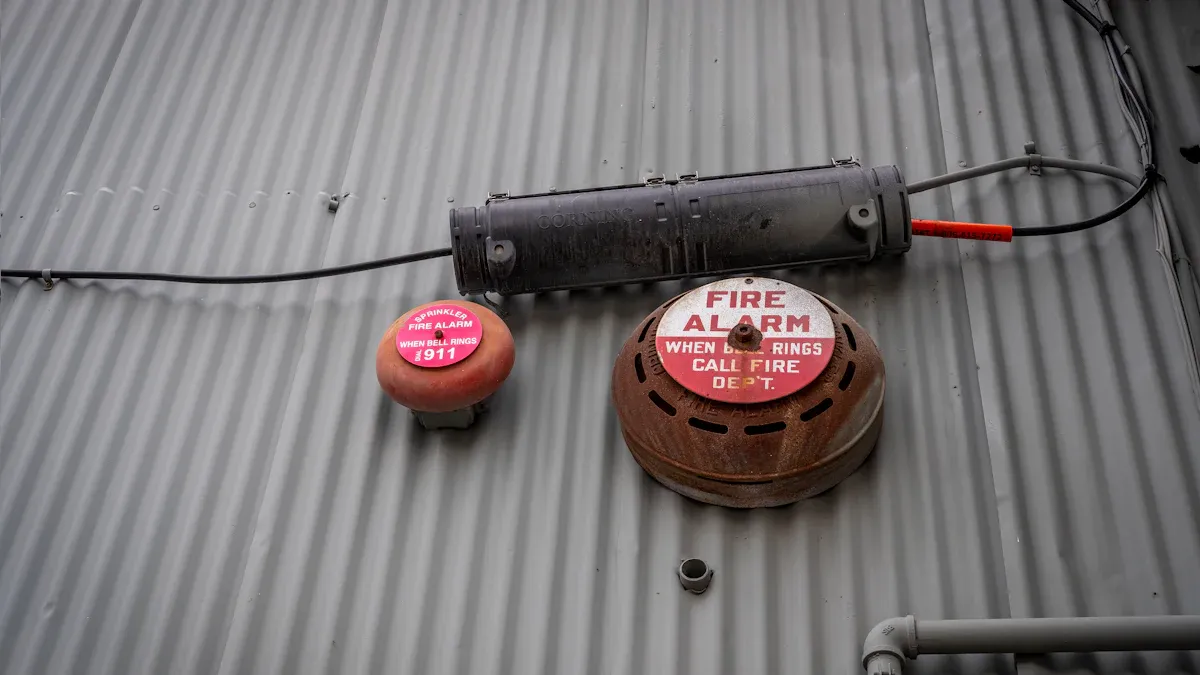
Safety and Compliance Standards
Fire-resistant cables are very important for safety in buildings. They must follow strict rules to work well in emergencies. The National Electric Code says all building cables need to pass special tests. These tests look at how fast fire spreads, how much smoke comes out, and if the cables are made well. Passing these tests helps stop fire and smoke from spreading. This keeps people and things safe.
If cables do not follow these rules, bad things can happen:
- People can get hurt if cables stop working in a fire.
- More things can get damaged if cables are not safe, and it can take longer to find and stop fires.
- Buildings need safe cables to get permits and insurance. If cables are not safe, insurance may not pay for damage or may cost more.
- Owners can get in trouble if their cables do not protect people from fire.
Fire-resistant cables must keep working for at least 90 minutes in high heat. This helps alarms and lights work during emergencies.
Applications in Critical Infrastructure
Fire-resistant cables are needed in many important places. They help keep power and phones working in hospitals, data centers, and trains. In power systems, these cables keep electricity on during a fire. Factories use fire-resistant tape in control cables to protect machines and safety tools.
Some common uses are:
- Power cables for emergency and normal power.
- Control cables for machines and safety alarms.
- Communication cables in big buildings and data centers.
- Cables on ships and oil platforms.
- Cables in tunnels, airports, and nuclear plants.
Fire-resistant cables have mica tape to handle heat up to 800°C. These cables keep fire elevators, pumps, and alarms working in a fire. They also protect schools, hospitals, and chemical plants, making sure people can leave safely.
Good fire-resistant cables help keep important services running when there is a fire.
Types of fire-resistant mica tape
Phlogopite Mica Tape
Phlogopite mica tape is often used in fire-resistant cables. It can handle very high heat, over 600°C. This tape is used in places where cables must survive fires. You can find it in power cables, trains, planes, oil wells, thermocouples, home appliances, and ships. Phlogopite mica tape helps cables keep working during a fire. Many people trust it for fire-resistant cable designs.
Many industries use phlogopite mica tape because it is strong against fire.
Muscovite Mica Tape
Muscovite mica tape is another kind used in fire-resistant cables. It can take even more heat than phlogopite. Muscovite mica tape works at temperatures above 800°C. It passes fire tests at 800°C for three hours with 1500V. The tape is between 0.08 and 0.15 mm thick. Muscovite mica tape meets tough fire rules like BS 6387 and IEC 60331. It keeps cables safe and working in fires in buildings and tunnels.
Synthetic and Calcined Mica Tape
Synthetic mica tape is made in labs to give the best fire and electrical protection. It works at 800°C or more for a long time and can take peaks over 1000°C. This tape is used in cables that need the best fire safety. Synthetic mica tape costs more but gives great protection. Calcined mica tape is another choice. It keeps its insulation at 850-900°C for 90 minutes and costs about 30% less than synthetic mica tape. Calcined mica tape is strong, has no asbestos, and makes little smoke. Both types are important for fire-resistant cables.
- Synthetic mica tape gives high fire and electrical protection for cables.
- Calcined mica tape is a strong, safe, and cheaper choice for fire-resistant cables.
Synthetic mica tape and calcined mica tape help cables pass strict fire safety rules in important places.
Selecting and applying mica tape for cables
Choosing the Right Tape
Picking the right mica tape is very important. It helps fire-resistant wire work well and stay safe. Engineers need to choose tape that fits the cable type and where it will be used. They also need to follow safety rules. The table below shows what to think about:
People who work in this field say:
- Look at rules like IEC 60085 and UL for fire-resistant wire.
- Talk to tape makers about how hot and how much electricity the wire needs.
- Work with good suppliers who can help with technical questions.
Following UL, IEC, and ASTM rules is very important for places like airplanes and nuclear plants.
Application in Cable Manufacturing
Factories put mica tape on fire-resistant wire with special machines. The tape wraps around the wire and covers it all, usually with a 30% overlap. This makes sure the wire is fully protected. Workers check the quality at every step. There are 76 things they watch during making. They check the raw materials and make sure mica pieces are the right shape. Glass fiber is added to make the tape strong. Before sending out the wire, they test it for electricity, strength, and heat. If something is wrong, they fix it or throw it away.
- Many checks happen while making the wire.
- Only wire that passes all tests gets sent out.
Best Installation Practices
Putting in fire-resistant wire the right way helps keep it safe from fire. Here are some tips:
- Clean the wire before putting on mica tape.
- Wear gloves to keep the tape clean.
- Do not bend or twist the wire too much.
- Use fasteners that can take high heat.
- Keep mica tape away from water and chemicals.
- Let the wire get bigger when it gets hot.
- Check and test the tape often to look for damage.
- Always do what the maker says when installing.
- Hold up the wires so they do not get hurt.
- Do not tie wires too close together so they do not get too hot.
Picking, using, and installing mica tape carefully helps fire-resistant wire work well in important places.
Fire resistant mica tape keeps cables safe in a fire. It lets the cable keep working even if the outside burns. The tape makes a strong wall that stops short circuits. It also helps electricity keep moving. Mica tape helps cables pass tough safety rules. It is very important for fire alarms and emergency lights.
- Keeps wires apart during a fire
- Stops short circuits and sparks
- Helps meet world safety rules
Always check the rules and talk to experts for your cable needs.
FAQ
What is the main benefit of using fire resistant mica tape in cables?
Fire resistant mica tape keeps cables working during a fire. It blocks heat and flames. This helps protect people and equipment in emergencies.
Can mica tape be used in all types of cables?
Most power, control, and communication cables can use mica tape. Always check the cable’s design and safety standards before choosing mica tape.
Is fire resistant mica tape safe for the environment?
Yes. Mica tape does not contain halogen or toxic chemicals. It does not release harmful smoke during a fire. This makes it safer for people and the environment.
How do I know if mica tape meets safety standards?
Always ask for test reports and certifications like IEC 60331 or UL. Reliable suppliers provide documents that show the tape meets fire safety rules.
Does mica tape affect the flexibility of cables?
Mica tape is thin and flexible. It wraps around wires without making them stiff. Cables with mica tape can still bend and fit into tight spaces.
Related Blog
Related Downloads

Company Address: Wushi Industrial Park, Xingwang Road, Pingjiang High-tech Industrial Park, Wushi Town, Pingjiang County, Hunan Province


This website supports both IPv4 and IPv6 access.