
Mica safety or asbestos risks which is safer now
Published time:
2026-01-28 10:22
Source:


Today, you can trust that mica is safer than asbestos. You may ask if mica can hurt your health like asbestos. Most experts say mica safety is not a big worry for most people. But, you should know that mica can sometimes have asbestos in it. Always read product labels and safety tips to keep yourself safe.
Key Takeaways
- Mica is usually safer than asbestos. It does not cause cancer like asbestos can.
- Always read product labels for asbestos. Look for 'asbestos-free' to stay safe.
- Wear masks and control dust when using mica. This helps protect your lungs.
- If you think there is asbestos at home, call a professional. They can test and remove it safely.
- Learn about local rules for asbestos. This helps you avoid hidden dangers.
Mica vs asbestos safety
Health risks compared
You might ask how mica and asbestos are different for your health. Many people worry about mica safety, but experts say mica is much safer than asbestos. Asbestos can cause very bad diseases like lung cancer and mesothelioma. Even a little bit of asbestos dust can hurt your lungs after a while.
When you look at the facts, asbestos is very dangerous:
- Studies found that people around asbestos have odds ratios for disease from 2 to 9.
- In some jobs, up to 8.6% of workers with mixed asbestos fibers got mesothelioma.
- The UK and the Netherlands have more asbestos-related diseases than the USA and Sweden.
Mica safety is not the same. Most people do not get sick from mica. If you breathe in a lot of mica dust, your lungs might feel sore, but mica does not cause cancer like asbestos. You should still try not to breathe in any dust, but mica is much less risky.
Tip: Always wear a mask or use dust control if you work with powders or minerals, even if they look safe.
Exposure differences
You can be around asbestos and mica in different ways. People often get exposed to asbestos at jobs like building work, fixing cars, or tearing down old buildings. You might breathe in asbestos fibers, touch them, or even eat them if they get on your hands or food. Asbestos can hide in many things, so it is harder to avoid.
Mica exposure usually happens in mining or factories that use mica. The main danger is breathing in mica dust. Mica does not spread through as many things or places as asbestos. You probably will not find mica dust in your house or school.
Here is a simple comparison:
You can see that mica safety is much better than asbestos. Asbestos is very dangerous, but mica is usually safe if you do not breathe in a lot of dust.
Asbestos risks
Exposure routes
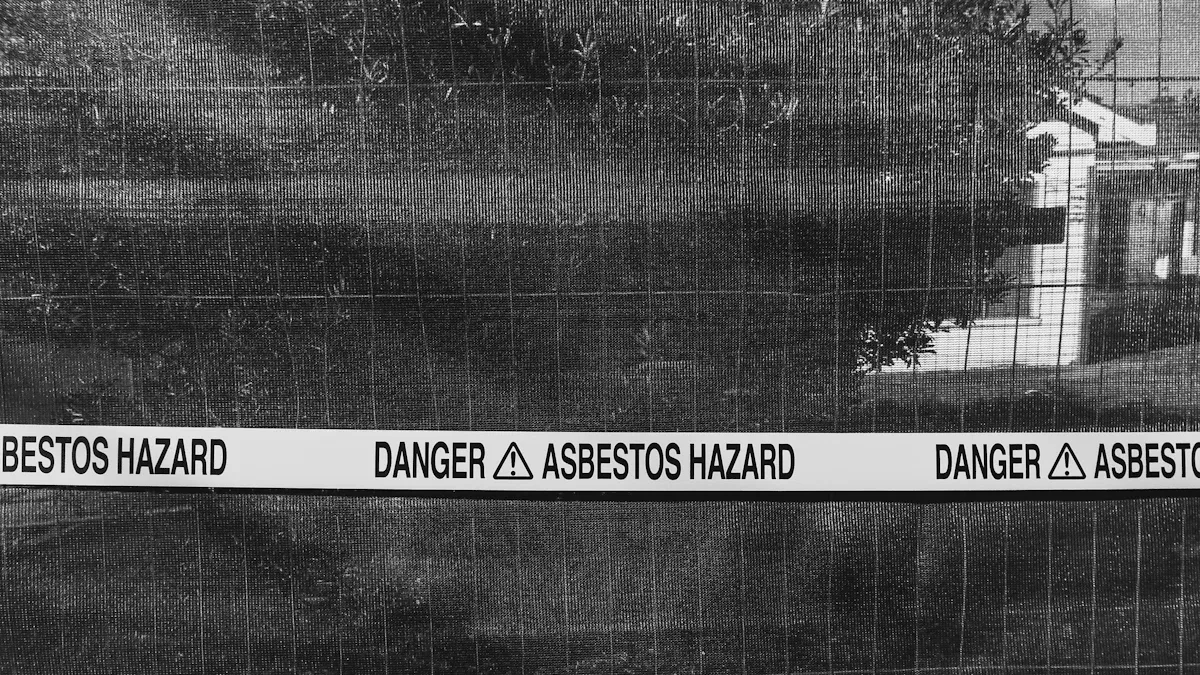
There are many ways you can be around asbestos. The most common way is breathing in tiny fibers. These fibers float in the air at work sites. This happens a lot in construction, shipyards, or old buildings. You might also touch asbestos with your skin. Sometimes, you can swallow fibers if they get on your hands or food.
You do not need to work with asbestos to be at risk. If someone in your family works with asbestos, they can bring fibers home. The fibers can stick to their clothes or hair. This is called secondary exposure. You might get exposed by hugging them or washing their clothes.
Here are the main ways you can get exposed to asbestos:
- Breathing in asbestos fibers at work or near old buildings.
- Touching materials that contain asbestos.
- Swallowing fibers that settle on food or hands.
- Living with someone who works with asbestos and brings fibers home.
Note: Family members of asbestos workers have higher risks of disease because of secondary exposure. Even simple things like washing work clothes can raise your risk.
Health effects
Asbestos can cause very serious health problems. You might not feel sick right away. Diseases can take many years to appear. The most dangerous illness is mesothelioma. This is a rare cancer that affects the lining of your lungs or belly. Most men get mesothelioma from working with asbestos. For women, secondary exposure is a big reason.
You can also get lung cancer from asbestos. Experts think that 4% to 12% of lung cancers are linked to asbestos at work. Smoking and asbestos together make the risk even higher. Other problems include asbestosis. This causes scarring and trouble breathing. There are also pleural disorders, like thickening or plaques on the lung lining.
Here are some health effects you should know:
- Mesothelioma (cancer of the chest or abdomen lining)
- Lung cancer (all types, including adenocarcinoma and squamous cell carcinoma)
- Asbestosis (lung scarring and inflammation)
- Pleural plaques and thickening
- Cancers of the larynx and ovary
- Chronic respiratory diseases
Tip: You should always try not to breathe in dust or fibers from old buildings or materials. If you think you have been exposed, talk to a doctor.
Mica safety overview
Typical uses
You can find mica in many things you use daily. In building work, mica helps paint and coatings last longer. Mica is in toasters and microwaves. It helps control heat and electricity in these appliances. Mica is important in electronics. It helps energy move safely and quickly. In factories, workers use mica for insulation and fire safety. Mica is also used in defense and aerospace. It helps protect equipment from heat and fire.
Tip: Mica safety in these products comes from its ability to handle heat and electricity without breaking down.
Mica dust and lung health
Most people do not get sick from mica. If you work in mining or factories, you might breathe in mica dust. Too much dust can bother your lungs. It can cause a sickness called pneumoconiosis. Health experts set rules to keep you safe. OSHA allows up to 20 million particles per cubic foot of air. ACGIH says 3 mg/m³ is the limit. After these rules started, lung disease from mica dropped by over 90%. Mica safety means you should not breathe in dust, especially at work.
- Mica is non-toxic and does not cause skin problems.
- Scientific tests show mica has low heavy metal content.
- The hazard index for mica is less than 1, so health risks are low.
Asbestos contamination risk
Mica is usually safe, but sometimes it can have asbestos. This happens when mica and asbestos mix underground. Breathing in asbestos fibers is very dangerous. You can get diseases like mesothelioma, lung cancer, and asbestosis. Asbestos fibers can stay in your body for years and cause harm. Always check if mica products are tested for asbestos. This is important for powders or old building materials.
Note: Mica safety depends on making sure your mica does not have asbestos. Always look for safety labels and buy from trusted sources.
Regulations and guidelines
Asbestos bans
It is important to know which countries banned asbestos. Many governments made rules to keep people safe from asbestos risks. The table below lists some countries and when they stopped asbestos use:
Some places still let people use asbestos in special ways. You should be careful about these exceptions:
- Canada lets people sell and use things with asbestos if made before the ban.
- Old items, like ironing board covers and gloves with asbestos, can still be sold.
- The EPA allows some uses of chrysotile asbestos in certain jobs. These jobs include making titanium dioxide and working with nuclear materials. There are strict safety rules for these uses.
Note: Even with bans, asbestos can still be in old things or buildings. Always check before you buy or use materials.
Mica safety standards
Mica has safety rules to protect workers. Groups like OSHA and ACGIH set limits for mica dust at work. These rules help stop lung irritation. Companies must test the air and keep dust low. You should pick products tested for purity, especially if you use mica powders or work in factories.
Tip: Buy mica products from brands you trust. Ask for safety data sheets if you want to know what is inside.
Workplace safety
You must follow safety steps to avoid breathing in dust. Employers have to keep dust levels low, including asbestos and mica dust. Here are some important things to do:
- Use machines like fans or vents to lower dust first.
- Wear masks or respirators if you need them.
- Ceiling values for some substances must never go over the limit.
- Other substances must stay under the 8-hour average during work.
- Always follow safety signs and instructions.
🛡️ If you work near dust or fibers, wash your hands and clothes before going home. This keeps your family safe from dust exposure.
Safe material choices
Identifying safe products
You should pick materials that keep you healthy. Always read the labels on things you buy. Look for words like “asbestos-free” or “tested for harmful fibers.” If your house was built before 1980, check for broken stuff that could have asbestos. It is smart to hire a pro, like an industrial hygienist, to look at your house before you start work. If you buy an old house, plan money for lead and asbestos checks and removal. Always learn about your local rules for asbestos before fixing up your home. These steps help you stay away from hidden dangers.
Reducing exposure risks
You can make things safer by doing easy things. When you use things with mica, try wet sanding instead of dry sanding. Wet sanding stops dust from flying around. Make sure your room has good airflow. Open windows or use fans to blow dust outside. Wear a mask or respirator that fits well to keep your lungs safe. These steps help keep dust out of your body and house.
Here are some ways to lower dust risks:
- Use wet sanding to stop dust.
- Make sure you have good airflow.
- Wear a mask and check that it fits.
When to consult experts
Sometimes you need help from someone who knows more. If you find asbestos in building stuff, call an expert before you fix or tear down anything. You should also ask for help if you see pipe or thermal insulation that might have asbestos. If you want to take out or move things that could have asbestos, talk to a consultant first. Experts can test for asbestos or mica dust, check the danger, and give you papers for repairs or insurance. They help you make safe choices and follow the rules.
🛡️ If you are not sure, always ask a pro. This keeps you and your family safe.
You can trust mica more than asbestos. Asbestos can cause cancer and lung problems. Mica almost never hurts your health. Always check if products have asbestos in them. Follow safety rules and buy from brands you trust. If you are not sure, ask someone who knows more. Pick safe materials and try to keep dust away. This helps protect you and your family.
🛡️ Be careful when you work with minerals. Your safety is very important.
FAQ
Can mica cause cancer like asbestos?
You do not need to worry about cancer from mica. Mica does not cause cancer. Asbestos can cause lung cancer and mesothelioma. You should avoid breathing in any dust, but mica is much safer.
How can you tell if a product contains asbestos?
You can check the label for “asbestos-free.” If you see no label, ask the seller for a safety data sheet. You should hire a professional to test old materials if you feel unsure.
Is mica dust dangerous for your lungs?
You can get lung irritation from breathing in mica dust at work. You should wear a mask and use dust control. Most people do not get sick from mica dust if they follow safety rules.
What should you do if you find asbestos at home?
You should not touch or move asbestos materials. Call a certified expert for testing and removal. You keep your family safe by letting professionals handle asbestos.
Previous Page
Next Page
Related Blog
Related Downloads

Company Address: Wushi Industrial Park, Xingwang Road, Pingjiang High-tech Industrial Park, Wushi Town, Pingjiang County, Hunan Province


This website supports both IPv4 and IPv6 access.