
The Ultimate Guide: How to Manufacture Mica Tape Step by Step (2026 Updated)
Published time:
2026-01-30 11:44
Source:


You see mica tape in many places, even if you do not notice it. Making mica tape helps many industries. These include electrical, electronics, cars, and airplanes. Mica tape is special because it can insulate high-voltage equipment. It also protects things from heat. To make mica tape, people use different kinds of mica. Some types are muscovite, phlogopite, and synthetic mica. Calcined mica tape can handle more heat. This is important for safety in tough places. You can find calcined mica tape in transformers, motors, and airplanes. The world market for mica tape was about USD 550 million in 2023. It keeps growing as more industries use mica tape. Here is a quick look at the main types of mica tape and what they are used for:
Key Takeaways
- Mica tape stops heat and electricity. It is important for many jobs.
- Picking the right mica type and base makes strong tape. The tape can handle heat well.
- Careful pressing and drying make the tape last longer. This helps the tape work better.
- Checks for quality make sure only good mica tape is used. This is needed for tough jobs.
- Storing mica tape the right way keeps it working for a long time.
Mica Tape Material Selection

The first thing you do is pick the right materials. This is important for making good mica tape. You need to know about different mica types, substrates, and adhesives. Picking and checking materials carefully helps make fire-resistant mica tape. This tape works well in hard places.
Types of Mica Paper
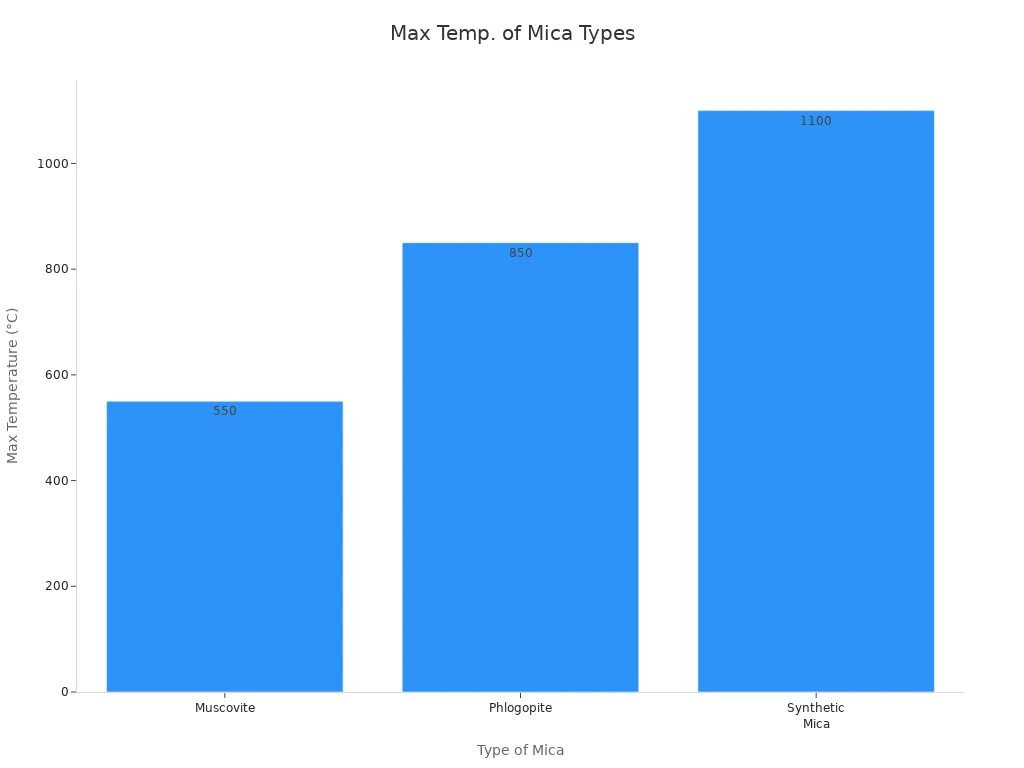
There are a few kinds of mica paper you can use. Each kind is good for something special. The most used types are muscovite, phlogopite, and synthetic mica. The table below shows how they are different:
Calcined Mica Tape Materials
Calcined mica tape is special because it can take a lot of heat and stress. You use it when you need insulation that is strong and does not burn. Here are some reasons to pick calcined mica tape:
- It works at high temperatures and in hard jobs.
- The calcination process makes mica tougher and stronger.
- It gives great insulation because it blocks heat and does not burn.
- Calcined mica tape bends but does not break, even in rough places.
- It does not catch fire and stays steady, which is good for motors, transformers, and airplanes.
People use calcined mica tape when they need tape that does not burn and insulates well.
Substrate and Adhesive Choices
You also have to choose the right substrate and adhesive for mica tape. Glass fiber and polyethylene are used a lot as substrates. They make the tape strong and bendy. For adhesives, you can use epoxy or silicone. These help stick the mica to the substrate and keep the tape together.
Before making mica tape, you must check all the raw materials. You look at mica mineral scraps using strict rules. There are over 76 control points and special tests. You also check materials when they get to the warehouse. Checking and getting ready makes sure your mica tape is safe and insulates well.
Mica Tape Layering and Lamination
Making mica tape takes many careful steps. Each step helps make the tape strong and fire-resistant. You must follow the process closely for good results. This is very important for calcined mica tape used in high heat.
Powder Spreading and Resin Application
First, you spread resin powder on the mica paper. The resin can be epoxy or silicone. It helps the mica stick to the substrate. Resin also makes the tape stronger and more flexible. Calcined mica tape uses special resin for more heat. The resin must cover the mica evenly. If you miss spots, the tape will not insulate well.
Tip: Always check the mica surface before adding resin. A smooth surface helps the resin stick better. This makes the insulating layer stronger.
You can use a machine to sprinkle resin powder. Sometimes, you apply resin as a liquid. The way you add resin depends on the mica tape type. Synthetic mica may need a different resin or a thicker layer. The impregnation process fills small gaps in the mica. This makes the tape more reliable.
Layering with Substrate
Next, put the mica paper with resin on a substrate. Common substrates are glass fiber or polyethylene. These materials make the tape stronger. They help the tape bend without breaking. Calcined mica tape often uses glass fiber for high heat.
How you layer mica and substrate is important. The roughness of the mica affects how well it sticks. For better adhesion, use a thin adhesive layer like PMMA. This adhesive holds the mica and substrate together tightly.
Watch out for some challenges during this step:
- Cost goes up with special resins or substrates.
- Mica can break easily, so handle it gently.
- Moisture can hurt mica, so keep things dry.
- Impurities in mica can cause insulation problems.
Note: Many cable makers say layering and lamination are hard steps. Problems like bonding defects or delamination can cause high rejection rates.
Lamination Process
Now you press the mica and substrate together. You use heat and pressure for this step. The resin melts and bonds the layers into one piece. Calcined mica tape needs higher temperatures for extreme heat.
Control the temperature and pressure carefully. Too much heat can crack the mica. Too little heat means the resin will not bond well. The goal is to make a fire-resistant insulating layer that stays strong.
Think about safety and the environment too. Always follow safety rules when using resin and adhesives. Many companies use safer materials and try to make less waste. They follow standards like UL, IEC, and ASTM. This makes sure mica tape is safe for every use.
Remember: Lamination is key for mica tape in high heat. If you do each step with care, the tape will insulate and protect in tough jobs.
Drying, Curing, and Rolling
Baking and Curing Methods
You need to dry and cure mica tape to make it strong and reliable. This step locks the layers together and gives the tape its heat resistance. You must follow a careful process to get the best results, especially for calcined mica tape. Here is how you can do it:
- Take glass fiber cloth and coat it with the first adhesive. Use a roller to spread the adhesive so it soaks in evenly. The right viscosity for this adhesive is between 1000 and 20000 cps.
- Place mica paper slowly and flat on the glass fiber cloth. Make sure the mica gets soaked with adhesive everywhere.
- Spray a second adhesive on top of the mica paper. This adhesive should have a viscosity between 10 and 1000 cps. You want it to cover the mica evenly.
- Use EB irradiation curing to finish the mica tape. This method gives you a strong bond and high temperature resistance.
You must control the temperature and time during curing. If you rush, the resin will not set right. If you wait too long, the mica can crack. Calcined mica tape needs extra care because it must handle more heat and thermal stress. Proper curing gives the tape great thermal conductivity and resistance to fire.
Tip: Always check the tape after curing. Look for cracks or bubbles. These can lower the tape’s resistance and heat resistance.
Rolling and Sheet Formation
After curing, you roll the mica tape into sheets or spools. This step makes the tape easy to store and use. You must keep the tape flat and smooth as you roll it. For calcined mica tape, you need to avoid sharp bends. This keeps the mica from breaking and keeps its high temperature resistance.
You can use machines to roll the tape at a steady speed. This helps you get even layers and the right thickness. Good rolling keeps the tape’s thermal and electrical properties strong. You want the tape to stay flexible but tough, ready for any job that needs high resistance and insulation.
Note: Proper rolling and sheet formation help you get mica tape that works well in cables, motors, and other places where heat and fire are a risk.
Slitting, Cutting, and Packaging
Slitting Laminated Sheets into Tape
After lamination, you need to cut big mica sheets into thin strips. This step makes sure each mica tape is the right width. Special machines called slitters and rewinders do this job. These machines slice the laminated mica into strips that are all the same size. Good cutters help every strip match in width. You can set the machine to cut the strips as long as you want. If you see a mistake, you can change the settings. Being exact is important for calcined mica tape used in fire-resistant cables and wire. If you want to wrap a coil, the strips must be smooth and even. This helps the insulation stay strong when you use the tape.
Cutting to Size
After slitting, you cut the mica tape to the right length. You use special cutting tools for this part. The tape must fit what your factory or customer needs. For calcined mica tape, you need to keep the edges smooth and without cracks. This keeps the insulation strong for high heat jobs. Each piece should be the right size for wrapping coils or other uses. Careful cutting helps you waste less and makes the process faster.
Packaging and Storage
Good packaging keeps mica tape safe from harm. Store mica tape in a dry place so water does not get in. Water can hurt how mica works and make it less fire-resistant. Keep the storage area clean and cover the tape to block dust, oil, and chemicals. Handle the tape gently so it does not crack or peel apart. For calcined mica tape, use soft pads and lifting tools when moving coils. Store mica sheets flat in their boxes or between hard plates. This stops them from bending or breaking. Do not stand them up because they can bend over time. Keeping the air not too wet helps mica stay good for fire-resistant wire and cables.
Tip: Always look at the packaging before you send it out. Good packaging keeps mica tape safe and ready for any insulation or fire-resistant job.
Mica Tape Quality Control
Quality control makes sure mica tape works well. You need to check every layer and test the tape before using it. This is important for safety, especially with calcined mica tape in fire jobs.
Visual and Mechanical Inspection
First, look at the mica tape closely. Check for cracks, bubbles, or missing mica spots. Make sure the tape is even and the edges are smooth. If you see a problem, take out that piece. This helps you find weak spots that could make insulation worse.
Next, test how strong the tape is. Bend and stretch it to see if it breaks or peels. Calcined mica tape should stay strong and bendy after you test it. The tape should not split between the mica and the substrate. This checks if the tape keeps out water and air.
Tip: Always use clean hands and tools when checking mica tape. Dirt or oil can hurt how well the tape insulates.
Electrical Testing
You must test how well mica tape works with electricity. These tests show if the tape can handle high voltage and keep insulation strong. For calcined mica tape, check if it works in high heat and keeps resistance high.
Here are some common electrical tests and standards:
You also measure dielectric strength and insulation resistance. For mica tape, dielectric strength should be more than 20 kV per millimeter. High dielectric strength means the tape stops electricity from leaking. Good insulation resistance keeps the tape safe in every use.
Note: Always test calcined mica tape after making it. This helps you find problems before using the tape in fire cables or coils.
If you follow these steps, your mica tape will work well. Careful checking and testing help you make safe and strong insulation for every job.
You help make mica tape by picking good materials. When you choose the right mica and substrate, the tape works better.
- Picking materials carefully makes the tape strong in heat and electricity. It also keeps mica tough in hard places.
- Careful lamination helps calcined mica tape pass hard tests. It also keeps the layers smooth and even.
- Quality control checks every step. Only the best mica tape leaves the factory.
- Knowing the process helps you fix problems quickly. It also keeps defects low.
Doing each step well makes calcined mica tape safe for hot and tough jobs.
FAQ
What is mica tape used for?
You use mica tape to insulate wires and cables. It protects against heat and electricity. Many industries, like power and electronics, rely on it for safety.
How does calcined mica tape differ from regular mica tape?
Calcined mica tape can handle higher temperatures. You choose it for jobs where fire resistance matters most. It stays strong even in extreme heat.
Why is mica important in electrical insulation?
Mica does not burn or conduct electricity. You use it to keep wires safe. It helps prevent fires and keeps equipment working well.
Can you store mica tape for a long time?
You can store mica tape for months if you keep it dry and clean. Avoid moisture and dust. This helps the tape stay strong and ready to use.
Related Blog
Related Downloads

Company Address: Wushi Industrial Park, Xingwang Road, Pingjiang High-tech Industrial Park, Wushi Town, Pingjiang County, Hunan Province


This website supports both IPv4 and IPv6 access.