
How Does Mica Form in Nature?
Published time:
2025-08-29 10:05
Source:


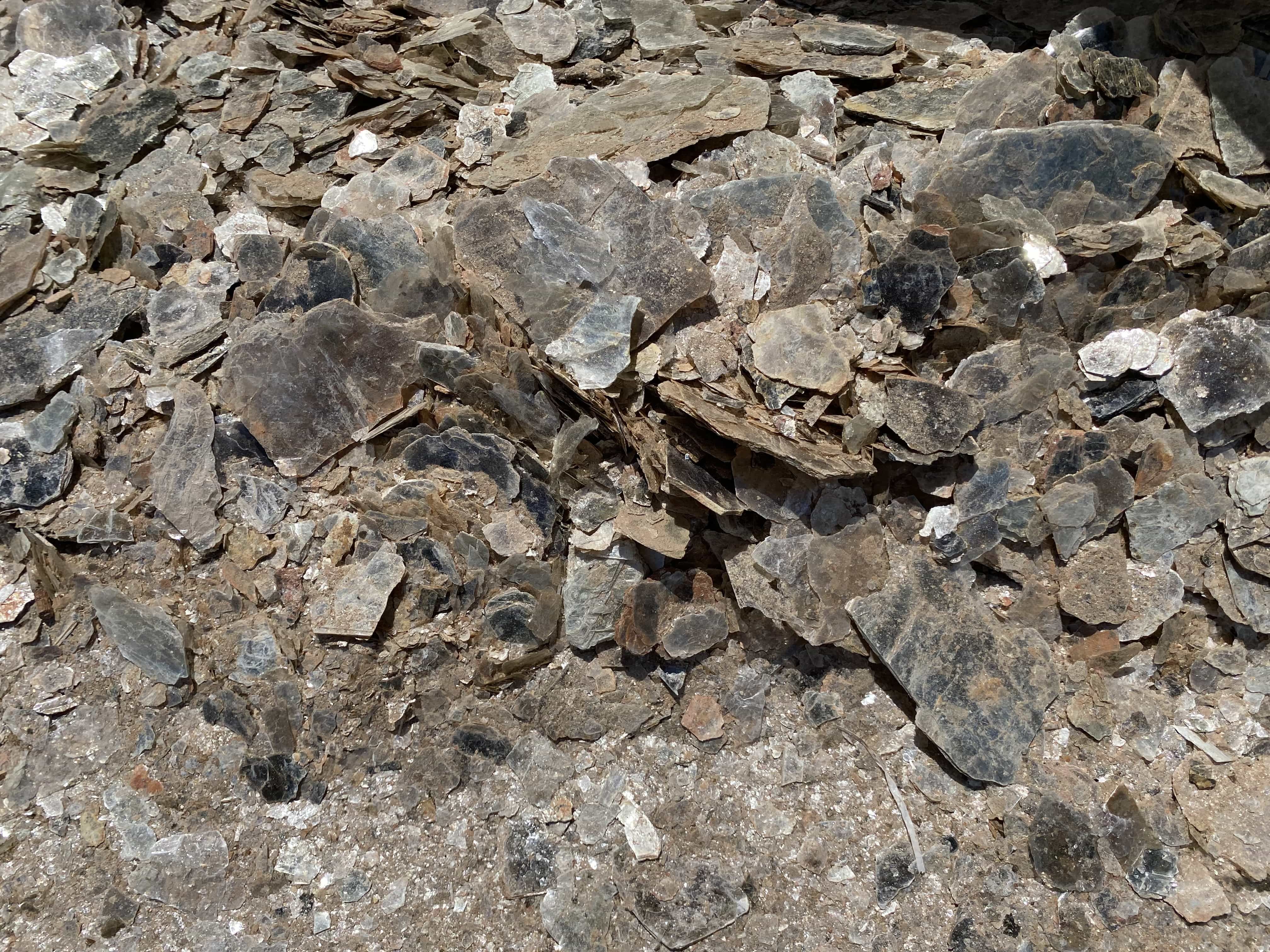
How Does Mica Form? Geological Origins and Applications
Mica is a group of naturally occurring silicate minerals known for their layered structure, heat resistance, and excellent electrical insulation. From a geological perspective, understanding how mica forms provides insights into both Earth’s processes and its wide industrial applications.
What Is Mica?
Mica refers to a group of sheet silicate (phyllosilicate) minerals. The most common varieties include:
Muscovite (white mica) – rich in potassium and aluminum
Biotite (black mica) – rich in iron and magnesium
Phlogopite – magnesium-rich mica often used in insulation
Synthetic mica – man-made alternative for specific high-performance applications
How Does Mica Form in Nature?
Mica primarily forms in igneous, metamorphic, and sedimentary environments. The exact process depends on the geological setting:
1. Igneous Rock Formation
Mica crystallizes from magma during the cooling of igneous rocks such as granite and pegmatite.
Elements like silicon, oxygen, aluminum, potassium, and magnesium arrange in a layered sheet-like structure.
Large mica crystals often occur in pegmatites, making them a key source for industrial mica mining.
2. Metamorphic Rock Formation
Under heat and pressure, clay minerals and feldspar in shale transform into mica.
Schist and gneiss are metamorphic rocks commonly rich in mica, giving them a shiny or sparkly appearance.
3. Sedimentary Rock Formation
Mica flakes can survive weathering and erosion, later becoming part of sedimentary rocks like sandstone.
However, mica is less stable in sedimentary environments compared to quartz or feldspar.
Step-by-Step Formation Process
Source Materials: Aluminum, potassium, magnesium, iron, and silica are necessary components.
Heat & Pressure: Geological activity provides the right conditions for crystallization.
Crystallization: Layered sheets of silicate form, creating mica’s unique cleavage property.
Growth & Accumulation: Mica crystals grow over millions of years, embedded in host rocks.
Exposure & Mining: Erosion and excavation bring mica closer to the surface for industrial use.
Why Does Mica Have a Layered Structure?
Mica’s sheet-like structure is due to the arrangement of silica tetrahedra. These layers are bonded strongly within the sheet but weakly between sheets, which is why mica easily splits into thin sheets. This property makes it highly useful in electrical and thermal applications.
Industrial Significance of Mica Formation
The natural process of mica formation directly impacts its physical and chemical properties, which determine its applications:
Electrical insulation (mica tape, mica sheet, mica tube)
Thermal resistance (mica heating film, furnace insulation)
Chemical stability (resistant to acids and alkalis)
Mechanical flexibility (can be fabricated into rolls, papers, and plates)
EAV Table: Mica Formation and Properties
| Attribute (Entity) | Value | Explanation |
|---|---|---|
| Formation Type | Igneous, Metamorphic, Sedimentary | Geological processes where mica originates |
| Key Elements | Si, Al, K, Mg, Fe | Essential minerals for mica crystallization |
| Structure | Layered phyllosilicate | Causes sheet-like cleavage |
| Rock Associations | Granite, Pegmatite, Schist, Gneiss | Common host rocks for mica |
| Crystal Habit | Tabular, Flaky | Typical crystal growth patterns |
| Industrial Use | Electrical & Thermal Insulation | Directly linked to mica’s formation properties |
Applications of Naturally Formed Mica
Because mica retains its properties after mining and processing, it is widely applied in industries:
Electrical Industry: insulation for cables, capacitors, and motors
Construction: fire-resistant boards and panels
Automotive: heat shields and gaskets
Consumer Electronics: components in phones, TVs, and computers
Cosmetics: ground mica powder for shimmer in makeup
Conclusion
So, how does mica form?
Related Blog
Related Downloads

Company Address: Wushi Industrial Park, Xingwang Road, Pingjiang High-tech Industrial Park, Wushi Town, Pingjiang County, Hunan Province


This website supports both IPv4 and IPv6 access.