
Car Thermal Insulation Solutions Using Mica
Published time:
2025-08-26 09:17
Source:


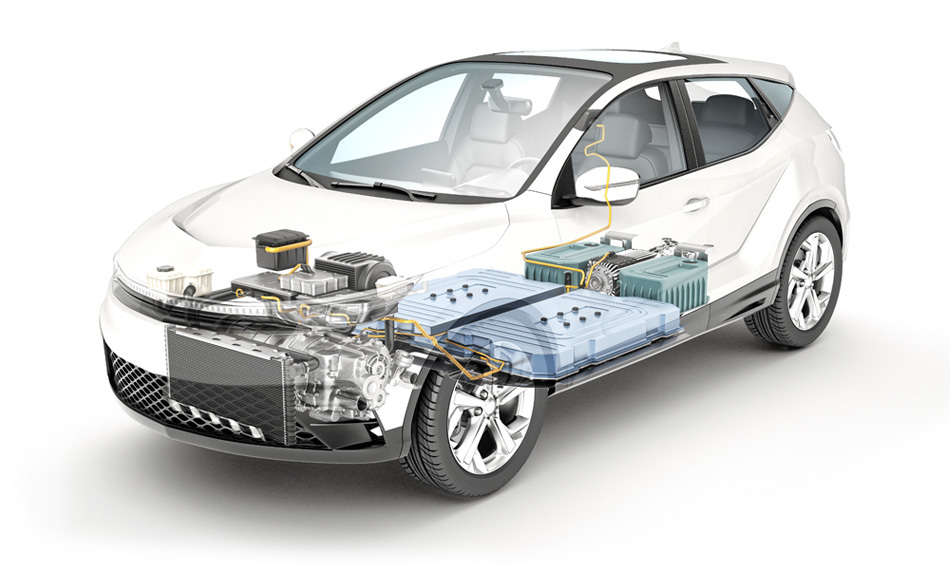
Why Your Car's Comfort Matters
Tired of your car feeling like an oven after sitting in the sun? Sick of road noise drowning out conversations and music? These comfort killers don't just ruin your drive—they strain your AC system and make every journey stressful.
You've invested in your vehicle. It should be a sanctuary, not a source of discomfort. The solution lies in advanced car insulation, specifically materials like mica. This guide covers everything you need to know about automotive thermal and acoustic solutions, why mica is superior, and how to select the right car soundproofing material for your ride.
What is Car Insulation and Why Does it Matter?
Defining Automotive Insulation
Car insulation controls the transfer of thermal energy (heat) and acoustic energy (sound) within your vehicle. It creates a barrier between your car's interior and the external environment, blocking heat from the engine and exhaust while preventing outside temperatures from penetrating the cabin.
Think of it as creating a stable, pleasant environment inside your vehicle, regardless of outside conditions. While many focus on automotive sound deadening material, a complete solution requires managing heat through thermal insulation.
The Benefits of Effective Car Insulation
Quality automotive insulation and sound deadening delivers significant benefits:
- Enhanced Comfort: Proper insulation keeps interiors cooler in summer and warmer in winter, reducing HVAC reliance and creating a more enjoyable atmosphere.
- Superior Acoustics: Acoustic insulation for cars dramatically reduces road noise, wind noise, and exhaust drone, creating a serene driving experience and allowing your audio system to shine.
- Improved HVAC Efficiency: Thermal insulation prevents heat transfer, allowing air conditioning and heating systems to work more efficiently, potentially improving fuel economy.
- Interior Protection: Extreme heat damages dashboards, cracks leather, and makes plastic brittle. Thermal insulation regulates cabin temperature, protecting surfaces and preserving vehicle value.
How Car Insulation Works & The Power of Mica
The Science Behind Insulation
Car insulation addresses three types of heat transfer and blocks or absorbs sound waves:
- Conduction: Heat transfer through direct contact, slowed by materials with low thermal conductivity
- Convection: Heat transfer through air movement, prevented by trapping air in small pockets
- Radiation: Heat transfer through electromagnetic waves, blocked by reflective materials
For sound control, materials work through:
- Sound Dampening: Reduces vibrations in metal panels using dense, heavy materials
- Sound Absorption: Uses porous materials like automotive sound insulation foam to trap and dissipate sound waves
Common Insulation Materials
Several materials serve car sound deadening and thermal control:
- Butyl Rubber: Excellent for dampening vibrations, often with foil layers for heat reflection
- Asphalt Felt: Cheaper option but can be heavy and emit odors in high heat
- Foam: Closed-cell foam works as both thermal insulator and sound blocker
- Fiberglass/Ceramic: Perfect for high-heat areas like firewalls and transmission tunnels
Why Mica is a Game-Changer
Mica is a naturally occurring mineral with unique properties that make it exceptional for automotive applications. Its thin, flexible sheets offer outstanding thermal and electrical insulation.
Key advantages:
- Exceptional Thermal Resistance: Withstands extremely high temperatures without degrading, perfect for areas near engines and exhaust systems
- Excellent Acoustic Damping: Layered structure effectively dissipates sound wave energy
- Lightweight and Flexible: Won't impact performance or fuel economy while conforming to complex body panel shapes
- Durability and Safety: Non-combustible, moisture-resistant, and doesn't rot or mildew, ensuring long-lasting, odor-free protection
Choosing the Right Car Insulation Solution
1. Identify Your Primary Goal
Maximum Sound Deadening: Focus on high-density auto sound deadening insulation like butyl rubber for doors, floors, and trunks.
Heat Rejection: Prioritize thermal insulators with reflective, foil-faced materials for roofs and firewalls. Mica-infused products excel in high-temperature zones.
Balanced Approach: Use multi-layer solutions—butyl-based materials on floors and doors, with mica composites on firewalls and roofs.
2. Consider Application Areas
Different car areas need specific insulation types:
- Doors: Combine vibration dampeners with closed-cell foam for road noise reduction and improved speaker performance
- Floor Pan: Heavy-duty sound dampening insulation for cars blocks road and exhaust noise
- Firewall: Critical for blocking engine heat and noise—use high-temperature thermal insulators containing mica
- Roof: Lightweight thermal insulators with reflective layers block solar heat gain
- Trunk: Car acoustic insulation reduces exhaust noise and road drone
3. Evaluate Material Quality
- Thickness and Density: Thicker, denser materials better block low-frequency noise
- Temperature Rating: Check maximum temperature ratings for engine-adjacent areas
- Adhesive Quality: High-quality, high-tack adhesives ensure materials stay put in extreme temperatures
Frequently Asked Questions
Q: How much does professional car insulation cost?\
Costs range from hundreds to several thousand dollars based on vehicle size, material quality, and coverage extent. DIY kits offer affordable alternatives.
Q: Can I install car soundproofing myself?
Yes. Many products are designed for DIY installation involving panel removal, surface cleaning, and material application. It requires patience but is manageable for most enthusiasts.
Q: Will my car be completely silent?
Automotive soundproofing dramatically reduces noise levels but won't create studio-level silence. The goal is reducing unwanted noise to non-intrusive levels for a peaceful driving experience.
Q: Will insulation slow down my car?
Full-car treatment can add 50-70 pounds. While minor for most vehicles, performance-focused drivers may prefer lighter materials like foam or mica-based composites.
Invest in a Better Driving Experience
Your vehicle is a personal space where you spend significant time. Poor thermal and acoustic control turns any drive into a fatiguing ordeal. Quality car thermal insulation fundamentally upgrades your daily driving experience.
Mica-based solutions offer powerful, lightweight, durable defense against heat and sound. Whether battling hot climates, seeking audiophile-grade quiet, or wanting comfort, the right insulation makes all the difference.
Start today: assess your vehicle's needs, research the best materials for your goals, and decide between DIY or professional installation. Your journey toward a quieter, cooler, more comfortable car begins now.
Related Blog
Related Downloads

Company Address: Wushi Industrial Park, Xingwang Road, Pingjiang High-tech Industrial Park, Wushi Town, Pingjiang County, Hunan Province


This website supports both IPv4 and IPv6 access.