
Comparing Busbar Insulation Materials for Aluminum Smelting Plants in 2026
Published time:
2026-01-27 10:10
Source:


Busbar insulation materials aluminum smelter plants must perform exceptionally well to ensure safety and efficiency. In 2026, aluminum smelters primarily use copper and aluminum busbars. Copper busbars offer the highest electrical conductivity at 100% IACS, but they are heavier and more expensive. Aluminum busbars, while providing 61% IACS conductivity, are lighter and more cost-effective. The table below highlights the differences between copper and aluminum busbars used in aluminum smelters:
Busbar insulation materials aluminum smelter environments must withstand high temperatures, aggressive chemicals, and significant mechanical stress to maintain reliable operation.
Key Takeaways
- Copper busbars let electricity flow best. But they are heavy and cost more than aluminum busbars.
- Porcelain insulators work best for aluminum smelting. They handle heat and chemicals very well.
- Polymer blends and epoxy resins can save money. They give enough insulation in easier parts of the plant.
- Picking the right insulation material is very important. It keeps people safe and helps things run well. It also lowers repair costs in aluminum smelting.
- Knowing market trends and rules helps buying teams choose wisely. It also helps them spend less money.
Busbar Insulation Materials in Aluminum Smelter Plants
Key Types in 2026
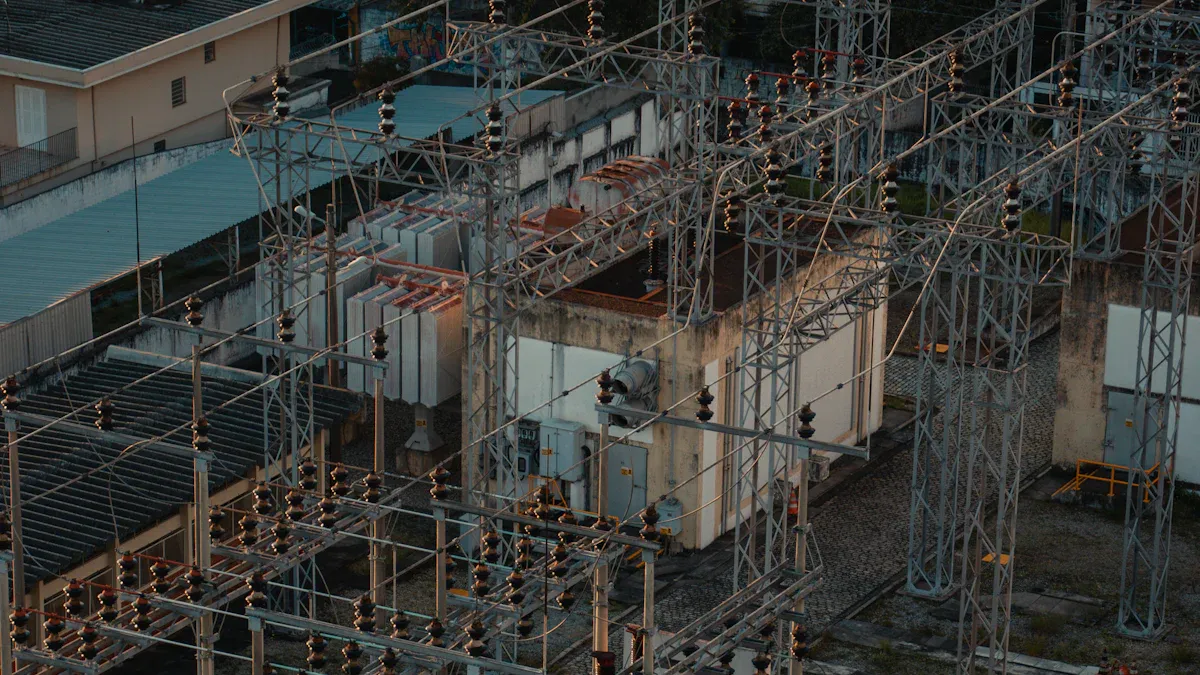
Busbar insulation materials in aluminum smelters must work very well. In 2026, the most used types are porcelain, epoxy resins, and advanced polymer blends. Each one has special benefits for aluminum smelting plants.
The rectifier station in an aluminum smelter uses huge LV busbars. These busbars carry more than 20,000A of current. The area has strong magnetic fields and is very hot. There is also a lot of alumina dust that can cause rust and conduct electricity. Extra-large, strong porcelain standoff insulators were picked. Polymers are often used in LV, but the heat and chemicals here are too much. Porcelain was chosen because it stays stable in heat and does not react with chemicals.
Porcelain insulators are still the top pick for busbar insulation in aluminum smelters. They do a great job against heat and chemicals. Epoxy resins and polymers are used too, but mostly where things are easier. These materials are lighter and simpler to put in place.
A quick look at the main types:
Market Trends and Innovations
Busbar insulation materials in aluminum smelters have new trends in 2026. Companies want to make them last longer and need less fixing. Many plants now use both porcelain and advanced polymers together for better results.
U.S. tariffs added and made stronger by 2025 have changed how companies buy and make busbar parts. Higher taxes on some imported items make costs clearer. Buyers now look at all their suppliers and check total costs more closely.
Knowing about rules and customs is now very important for buying teams. Picking the right tariff codes and using trade deals can save money and change what companies pay.
Changes in supply chains affect how easy it is to get busbar insulation materials for aluminum smelters. Buying teams must watch tariffs and rules carefully. This helps them find good sources and keep costs down. Suppliers keep making new materials to handle the tough jobs in aluminum smelting.
Bus Bar Material Comparison for Aluminum Smelting
Copper vs. Aluminum Busbars
Copper and aluminum busbars are used in smelting plants. Each one has good and bad points. Copper busbars carry electricity very well and last a long time. They work best where things must be very reliable. Aluminum busbars are lighter and cost less money. They do not carry electricity as well, but they save money. Many people still pick aluminum because it is cheaper.
- Copper busbars move electricity better and last longer.
- Aluminum busbars weigh less and cost less, so they fit big jobs.
- Choosing copper or aluminum depends on what the project needs and how much money is available.
This comparison helps managers pick the right busbar for their plant.
Electrical and Thermal Properties
It is important to know how busbars handle electricity and heat. The table below shows how copper and aluminum busbars compare:
Copper busbars are best for moving electricity and are very strong. Aluminum busbars are lighter and cheaper, but need coatings to stop rust. This shows how each type works in tough smelting jobs.
Weight, Cost, and Installation
Weight and price matter when picking busbars for smelting plants. Copper busbars are heavy and cost a lot. Aluminum busbars are lighter and easier to put in place. They also cost less, so big projects like them.
- Aluminum busbars usually cost less than copper ones.
- The lower price makes aluminum good for big factories.
Teams like aluminum busbars because they are easy to move and install. Copper busbars are harder to put in because they are heavy, but they last longer. Managers must think about these things before choosing busbar materials.
Selection Criteria for Insulation Materials
Electrical Insulation Performance
Busbar insulation materials must stop electricity from leaking. This is very important in aluminum smelting plants. Alumina is great because it blocks electricity well. It has high dielectric strength, so it stops sparks and shorts. Its electrical resistivity keeps wires apart, even with big currents. Alumina does not react with chemicals, so it lasts a long time. These things make alumina a top pick for insulation in these plants.
Thermal and Chemical Resistance
Insulation in aluminum smelters must handle lots of heat and strong chemicals. Porcelain and alumina can take high heat, so they work well in hot places. Epoxy resins and polymer blends do okay, but they can break down faster from chemicals. Picking materials with high melting points and that do not react with chemicals helps the plant run safely and smoothly.
Tip: Pick insulation that can handle both heat and chemicals for the most important parts of the plant.
Durability and Maintenance
Good insulation lasts a long time and saves money on repairs. Strong insulating bricks and special linings help keep heat inside and stop melted metal from getting in. These things help the plant use less energy and stay safe. Plants that use the best aluminum linings need fewer repairs and work better.
It is important to pick insulation that blocks electricity, stands up to heat and chemicals, and lasts a long time. This helps aluminum smelting plants stay safe and work well.
Performance of Busbar Insulation Materials Aluminum Smelter Applications
High-Current and High-Temperature Environments
Aluminum smelting plants use very high currents and get very hot. These tough conditions need insulation that can handle lots of electricity and heat. The insulation must not break or melt. G-12, EPGC 308, and G-10, EPGC 201, work well in these places. They stop electricity from leaking out. They also do not melt or crack when it gets hot. Mica M and Mica P are good too because they do not burn easily. GPO-3, UPGM 203, and Transite HT are used a lot for busbar insulation. They stay strong even when the current is very high.
Plants need insulation that lasts a long time. G-9, MFGC 201, and G-7, SIGC 202, can block electricity even when the voltage is high. Arboron and NAD-11 are also used because they do not change shape in hot places. These materials help keep the plant safe and working well.
Note: Picking the right insulation for aluminum smelting stops shutdowns and keeps workers safe.
Suitability for Harsh Conditions
Aluminum smelting makes a lot of dust, uses strong chemicals, and has lots of shaking. Insulation must be tough to handle these things. Porcelain and advanced polymer blends like GPO-3 and UPGM 203 do not react with chemicals. They also do not soak up water, so they help stop short circuits.
Mica M and Mica P can handle both heat and chemicals. Transite 1000 and Transite HT are picked when fire safety is needed. These materials do not burn and can take quick changes in temperature. C, CE, and LE grades, plus PF CC and PF CP types, are strong. They do not crack or chip even if the plant shakes.
It is important to think about how easy it is to put in insulation. GPO-3 and Arboron are easy to cut and fit. Maintenance teams like these because they can fix parts fast. Safety rules matter too. Most of these materials meet world rules for electrical safety and fire safety.
- Easy to install insulation saves time and money.
- Needing less fixing means fewer shutdowns.
- Meeting rules helps the plant follow the law and insurance needs.
Insulation for aluminum smelting must work well in hard places. It must block electricity, stand up to heat and chemicals, and last a long time. Picking the best material helps the plant stay safe and work well.
Recommendations for Aluminum Smelting Plants
Best for High Performance
Aluminum smelting plants need insulation that can take lots of heat and strong chemicals. Microporous insulation and calcium silicate work best for these jobs. These materials do not let much heat pass through. They keep heat inside and help protect workers from burns. Lightweight refractory bricks also do a good job. They last a long time and do not break when they touch melted aluminum. Plants using these materials make better aluminum and keep workers safer. Good insulation saves energy and helps the plant run well.
Tip: Use microporous or calcium silicate insulation where molten aluminum touches the insulation.
Best for Cost Efficiency
Many plants want to save money but still be safe. Polymer blends and epoxy resin insulators are a smart choice. These materials cost less than porcelain or advanced ceramics. They are easy to put in and swap out. Polymer blends work well in parts of the plant that are not too tough. Epoxy resins fight off chemicals and stop electricity from leaking. Using these materials can make installation and repairs cheaper.
- Polymer blends: Light, cheap, and easy to use.
- Epoxy resins: Good for medium heat and chemical resistance.
Best for Long-Term Reliability
Reliability is important in aluminum smelting. Porcelain and alumina-based insulators are very strong and last a long time. These materials stand up to heat, chemicals, and stress. They do not crack or wear out fast. Plants using porcelain or alumina insulators fix things less often. This means less downtime and lower costs over time. For important systems, these materials help managers worry less.
Picking the right insulation helps aluminum smelting plants stay safe, save money, and work well.
Picking busbar insulation materials for aluminum smelting plants takes careful thought. Porcelain and alumina insulators are very strong and last a long time. Polymer blends and epoxy resins cost less and are simple to put in. Managers need to pick insulation that fits the plant’s needs and budget.
- Porcelain and alumina work best in tough places.
- Polymer blends and epoxy are good for saving money.
If you need more help, check technical standards or ask insulation suppliers for advice.
FAQ
What is the main purpose of busbar insulation in an aluminum smelter?
Busbar insulation stops electricity from leaking out. It keeps workers and equipment safe in the smelter. Good insulation helps the plant work safely and lowers accident risks.
Why do aluminum smelters need materials with high thermal resistance?
Aluminum smelters get very hot during electrolysis. Materials with high thermal resistance stop damage from heat. This helps the smelter work longer without expensive repairs.
How does electrolysis affect the choice of insulation materials?
Electrolysis in a smelter causes strong electrical and chemical stress. Insulation must stand up to these tough forces. The right material keeps the smelter safe and working well.
What are the benefits of using advanced polymers in smelter busbar insulation?
Advanced polymers resist chemicals and are simple to install. They help the smelter keep working without many repairs. These materials also make maintenance easier during electrolysis.
How do insulation materials impact overall production efficiency in a smelter?
Good insulation stops energy from being wasted. It helps the smelter run smoothly and keeps electrolysis going. The right materials lower downtime and save money on repairs.
Next Page
Related Blog
Related Downloads

Company Address: Wushi Industrial Park, Xingwang Road, Pingjiang High-tech Industrial Park, Wushi Town, Pingjiang County, Hunan Province


This website supports both IPv4 and IPv6 access.