
What is Commutator Segment Insulation and Its Importance in 2026
Published time:
2026-01-27 14:35
Source:


You rely on commutator segment insulation to keep each copper segment in your motor separate and safe. This insulation stops electrical contact between segments, which prevents short circuits and keeps your motor running smoothly. Mica, known for its strong insulation and heat resistance, handles high temperatures and stress inside the motor. You also see new plastics making motors smaller and more efficient in 2026. With these materials, your motor delivers steady torque and reliable AC to DC conversion.
Key Takeaways
- Commutator segment insulation keeps copper segments in motors separate, preventing short circuits and ensuring safe operation.
- Mica and advanced plastics are key materials for insulation, providing heat resistance and durability for longer motor life.
- Regularly check your motor's insulation for wear to maintain safety and efficiency, reducing the risk of breakdowns.
- New insulation materials in 2026 enhance performance, making motors more efficient and reliable, especially in demanding applications.
- Choosing the right insulation material is crucial for compliance with modern standards and achieving optimal motor performance.
Commutator Segment Insulation Basics
Definition and Function
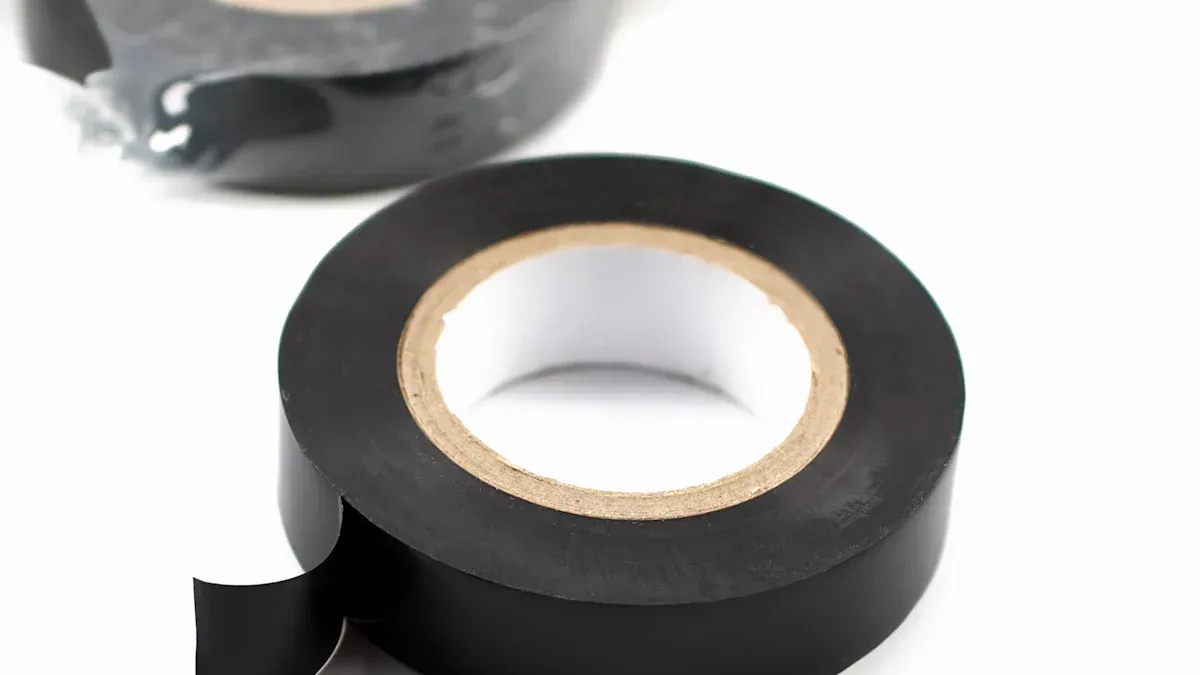
You find commutator segment insulation inside electric motors. This insulation separates each copper segment on the commutator. It uses thin layers of mica or advanced plastics to stop electricity from jumping between segments. When you look at a motor, you see that the insulation keeps the segments from touching each other. This separation prevents electrical shorts and keeps the motor working safely. The insulation also helps hold the segments in place, even when the motor spins quickly. You rely on commutator segment insulation to maintain strong electrical connections and avoid problems caused by loose or moving parts.
Role in Electric Motors
Commutator segment insulation plays a key role in how your motor works every day. You depend on it for several reasons:
- The insulation between commutator segments prevents electrical shorts.
- It ensures efficient operation by maintaining the integrity of electrical connections.
- Proper insulation reduces the risk of arcing, which can cause premature wear of brushes and commutator bars.
You notice that when the insulation works well, your motor runs smoothly and delivers steady torque. The separation between segments allows the motor to create consistent power without interruptions. This is important for machines that need reliable performance. You also see that commutator segment insulation supports the conversion of AC to DC inside the motor. The table below shows how different parts work together to make this happen:
When you choose motors for your projects, you pay attention to the quality of commutator segment insulation. Good insulation means fewer breakdowns and longer life for your machines.
How Commutator Segment Insulation Works
Construction and Placement
You find commutator segment insulation placed between each copper segment on the commutator. Manufacturers use thin sheets or strips to separate the segments. These sheets fit tightly so that no electricity can pass from one segment to another. You see this design in both large and small electric motors. The insulation sits right where the copper segments meet. This placement keeps the segments apart and stops electrical contact. When your motor runs, the insulation helps convert AC to DC by guiding the current through the right path. You avoid short circuits and electrical arcing because the insulation blocks unwanted connections. This setup keeps your motor safe and working well.
Insulation Materials: Mica and Plastics
You often see mica used as the main material for commutator segment insulation. Mica works well because it has special properties:
- It provides strong electrical isolation between copper segments.
- It withstands high temperatures and mechanical stress.
- It prevents short circuits and electrical arcing.
- It resists heat and keeps its shape under pressure.
- You can machine mica into different shapes for many motor designs.
You also notice new plastics appearing in smaller motors. These plastics make the motors lighter and sometimes cheaper. They work best in machines that do not get too hot. You choose plastics when you need a compact design or want to reduce weight. Both mica and plastics help your motor last longer and run more efficiently. You rely on these materials to keep your machines safe and reliable in 2026.
Importance in 2026
Safety and Reliability
You depend on commutator segment insulation to keep your electric motors safe. When insulation works well, it stops short circuits and electrical failures. This means your machines run without sudden stops or dangerous sparks. New insulation materials, like high-performance polymers, can handle more heat and stress. These improvements help your motors last longer and work better, even in tough conditions. You see fewer breakdowns and less need for repairs. In factories, these changes mean less downtime and safer workplaces.
- High-performance polymer insulators withstand higher temperatures and mechanical stress.
- New brush and alloy designs improve wear resistance and thermal stability.
- Copper-graphite composites boost performance and reduce maintenance.
Tip: Always check your motor’s insulation for signs of wear. Good insulation keeps your equipment safe and reliable.
Efficiency and Longevity
You want your motors to work efficiently and last a long time. Advanced insulation materials help you reach these goals. They keep the motor cool and prevent energy loss. This means your machines use less power and save you money. Motors with better insulation also last longer because they resist heat and stress.
You notice that new energy vehicles need motors that can handle more power. High-performance insulation makes this possible. You get better performance and fewer problems over time.
Compliance with Modern Standards
You must follow strict rules when you build or use electric motors in 2026. Regulatory groups want motors to be safe, eco-friendly, and ready for smart technology. New insulation materials help you meet these standards. Companies now use materials that pass tests like IEC 60216 and UL 94. These tests check for safety and environmental impact.
- Safety and sustainability are top priorities for regulators.
- Insulation must support smart features like AI diagnostics and remote monitoring.
- Early testing and clear safety records help you gain trust from customers and regulators.
You see that commutator segment insulation is not just about keeping motors running. It also helps you meet new laws and build trust in your products.
Advancements in Insulation Technology

New Materials for 2026
You see many new insulation materials in 2026. Manufacturers use advanced polymers, silver-nickel composites, and copper alloys to improve motor performance. These materials help your motors run cooler and last longer. You also notice that some companies use bio-based options like wood fiber and hemp. These choices lower the carbon footprint and support a cleaner environment.
You can compare the electrical and thermal properties of these new materials with traditional ones. The table below shows how different insulation materials perform in terms of thermal conductivity:
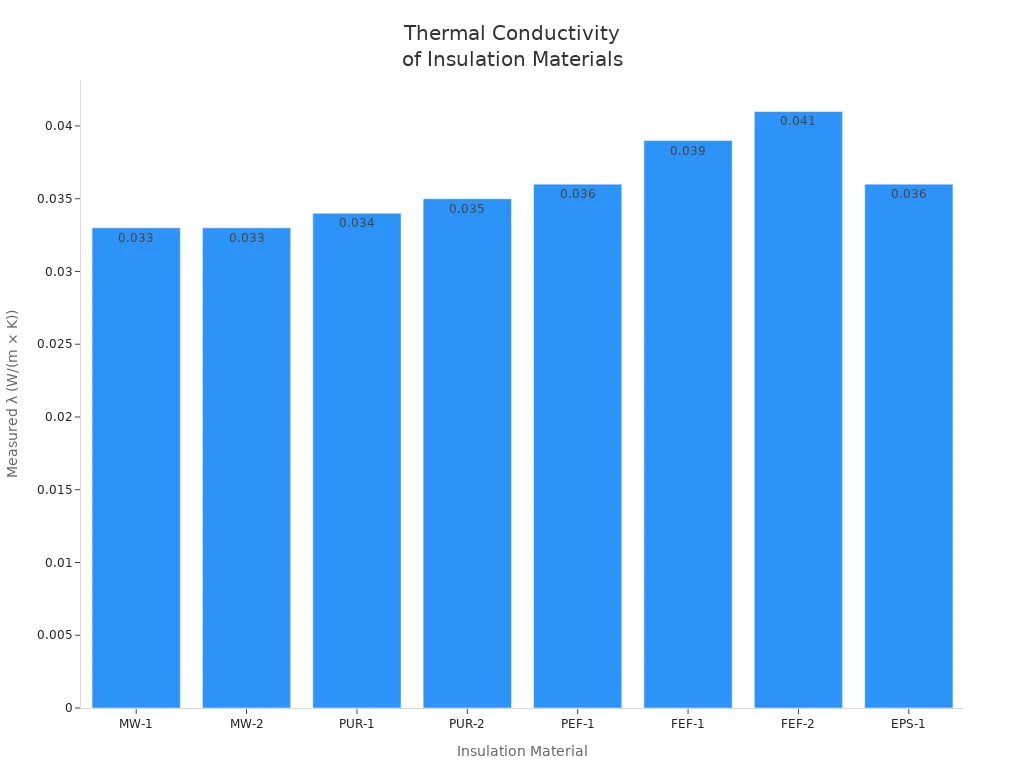
You benefit from these materials because they keep your motors efficient and safe, even at high temperatures.
Trends in Manufacturing and Application
You notice that manufacturers focus on sustainability and efficiency. Many companies use recycled materials like glass and waste paper for insulation. These choices help reduce emissions and support a circular economy. You also see a growing market for bio-based insulation, driven by strict environmental rules and consumer demand for green products.
Here are some key trends you should know:
- Shift towards higher efficiency standards.
- Extended product lifespans.
- Adoption of advanced materials like silver-nickel composites and copper alloys.
The market for insulation materials keeps growing. The table below shows the market value and growth rate:
Note: Choosing the right insulation material helps you meet new standards and keeps your machines running longer.
You rely on commutator segment insulation to keep your electric motors safe and efficient. New materials in 2026 give you better performance and longer motor life. To get the best results, you should choose the right insulation and follow smart maintenance practices:
- Check for wear, overheating, or noise.
- Test resistance and insulation regularly.
- Keep motors clean, cool, and dry.
- Inspect and replace brushes as needed.
- Avoid running motors with too much load.
These steps help your machines run smoothly and last longer.
FAQ
What does commutator segment insulation do in a motor?
You rely on commutator segment insulation to keep copper segments apart. This insulation stops electricity from jumping between segments. It helps your motor run safely and prevents short circuits.
Why do manufacturers use mica for insulation?
You see mica used because it resists heat and electricity. Mica stays strong under stress. It keeps your motor safe during high temperatures and heavy use.
Can you use plastics instead of mica?
You can use plastics in small motors. Plastics make motors lighter and cheaper. They work best when your motor does not get very hot.
How do you check if insulation is working?
Tip: You should look for signs of wear, overheating, or noise. Test the resistance with a meter. Replace insulation if you see damage.
What happens if insulation fails?
Related Blog
Related Downloads

Company Address: Wushi Industrial Park, Xingwang Road, Pingjiang High-tech Industrial Park, Wushi Town, Pingjiang County, Hunan Province


This website supports both IPv4 and IPv6 access.