
Mica Tape Temperature Rating Guide for Every Grade
Published time:
2026-01-26 09:23
Source:


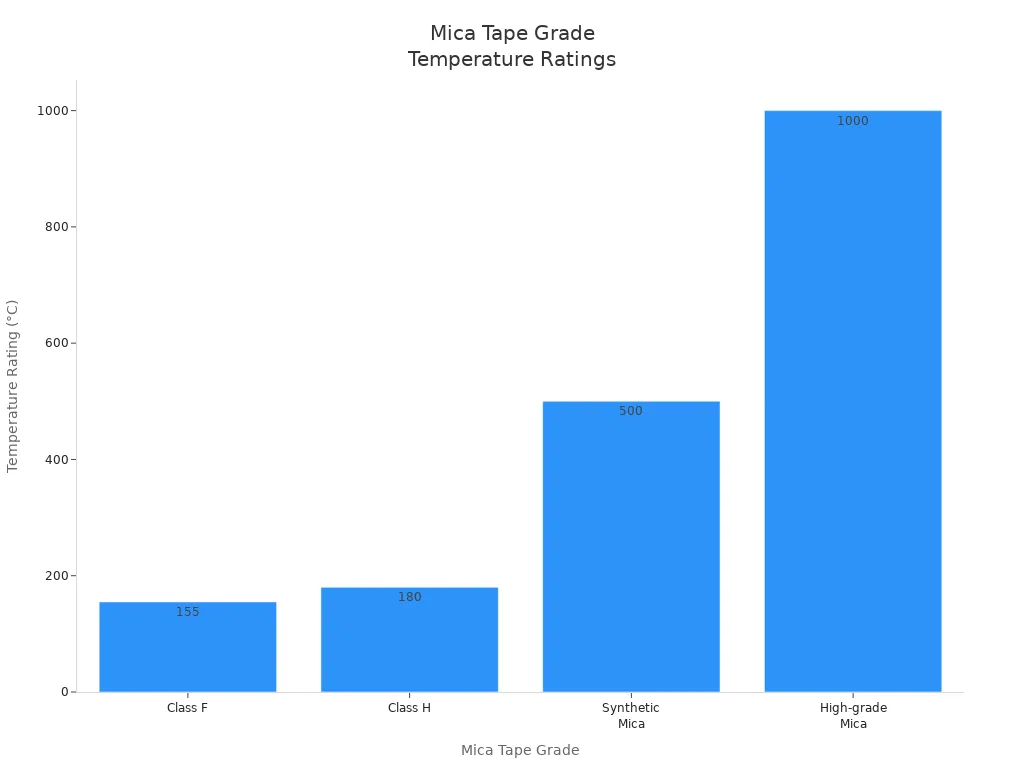
Choosing the right mica tape grade means knowing its highest temperature. The table below lists common grades and their limits:
Knowing the exact temperature for each grade stops system problems and keeps people safe. Use this Mica tape temperature rating guide to help you pick the right one quickly and easily.
Key Takeaways
- Pick the right mica tape grade by looking at its highest temperature rating. This helps keep your project safe and working well.
- Always add extra safety above the hottest temperature your project will reach. This stops insulation from breaking and keeps you safe.
- Think about things like humidity and stress when you pick mica tape. This makes sure it works well in your project’s conditions.
- Use the mica tape temperature rating guide to compare grades quickly. This helps you choose the right one fast.
- Do not make mistakes by skipping the temperature ratings and certifications. Always check them before using mica tape to stay safe and follow rules.
Mica Tape Temperature Rating Guide: Quick Reference
Grades and Maximum Temperatures Table
You need to know the right mica tape for your job. Each grade can handle a certain temperature. The table below shows the most common grades and their top temperatures. This guide helps people pick the right tape fast.
Tip: Always check the mica tape temperature rating guide. Make sure it matches the highest temperature your project will face. Add a safety margin for extra protection.
Comparing Mica Tape Grades by Temperature
The mica tape temperature rating guide lists many choices. Some are for regular jobs, and some are for tough conditions. Each grade works best in certain places.
- Class F and Class H: These are good for basic electrical insulation. Class F works up to 155°C. Class H can go up to 180°C. They are used in motors and transformers.
- Muscovite Mica Tape: This tape is safe up to 500°C. It is good for medium heat and general insulation.
- Phlogopite Mica Tape: Phlogopite tape can take up to 800°C. It is used in fire-resistant cables and steel factories.
- Medium-grade and High-grade Mica Tape: Medium-grade tapes work from 500–800°C. They are good for long-lasting jobs. High-grade tapes can handle up to 1000°C. They are best for fire-resistant uses.
- Synthetic Mica Tape: Synthetic mica is best for very high heat. It stays strong up to 500°C all the time. It can take short bursts up to 1375°C, which is when it melts. Synthetic mica cable tape can reach 1100°C. It is used in aerospace and electric cars.
- Natural Mica Cable Tape: This tape is stable up to 950°C. It is used where there is a lot of heat, like in industrial cables.
- Muscovite mica tapes usually work up to 500°C. Phlogopite tapes can go over 1000°C. Always pick a tape with a temperature rating that fits your needs. Add a safety margin to be safe.
- Sheet mica is special because it stays strong in high heat. It is used in places like aerospace and electronics. It can take up to 1000°C without breaking down.
Note: More companies now use new mica-based materials and green options. High-temperature mica tape is used in electric cars, planes, and oil and gas. These places need tape that can handle more heat and voltage.
The mica tape temperature rating guide makes it easy to compare grades. Use this guide to pick the right tape and keep your project safe and working well.
Types of Mica Tape by Temperature
Muscovite Mica Tape (Up to 650°C)
Muscovite mica tape looks light and see-through. It is very good at blocking electricity. It does not let water or chemicals hurt it. This tape can handle heat up to 500°C all the time. For a short time, it can take 650°C. People use it in electronics, motors, and generators. It helps keep things safe and strong.
Phlogopite Mica Tape (Up to 800°C)
Phlogopite mica tape can take more heat than muscovite. It works at 800°C for a long time. It can also handle 1000°C for a short time. People use this tape in fire-resistant cable and steel factories. It bends easily and does not break down from chemicals. This makes it great for very hot places.
- Maximum continuous temperature: 850°C
- Typical uses: Electrical insulation in motors, generators, and industrial cables
Synthetic Mica Tape (950–1000°C+)
Synthetic mica tape is made for very high heat. It is built from fluorphlogopite. It can go over 1000°C because of how it is made. This tape is better than natural mica when it gets really hot. It is used in planes, electric cars, and new electronics.
Synthetic mica tape keeps heat out and works well in tough places.
3-Ply Mica Tape (Up to 180°C)
3-ply mica tape has three layers. This makes it strong and bendy. It can be used all the time up to 180°C. People use it in low-voltage cables and for basic electrical jobs.
Class F & H Mica Tape (155°C & 180°C)
Class F mica tape works up to 155°C. Class H can go up to 180°C. Both are used in motors, transformers, and other machines. They help keep things safe when it is not too hot.
Fire-Resistant Mica Tape (700°C+)
Fire-resistant mica tape can take heat over 700°C. It blocks electricity well and does not let heat pass through easily. It also keeps out water and chemicals. This tape is important for keeping equipment safe in fire-resistant cable and risky places.
UL-Listed Mica Tape (450°C)
UL-listed mica tape follows strict safety rules. It can be used up to 450°C all the time. People use it in wires and cables that need to be certified.
[Other Specialized Grades]
- Calcined muscovite tape lasts longer in hot places.
- Ceramic-mica and glass-mica tapes keep heat out better. They work well when things get very hot.
How to Choose the Right Mica Tape Grade
Assessing Application Temperature Needs
First, find out the highest temperature your project will reach. Pick a mica tape grade that can handle more than this temperature all the time. If your equipment gets hot for short times, choose a tape with a higher short-term limit. Using a tape with a lower rating can make insulation fail. This could cause short circuits or stop safety systems in a fire. Both people and equipment could get hurt.
Matching Grade to Environment
Think about where you will use the tape. Many things can change how the tape works:
- High heat can damage the tape’s organic binders and lower insulation.
- Humidity can let water in, which may cause rust or make the tape weak.
- Bending or shaking can make the tape crack or peel apart.
Pick a mica tape that fits the temperature, humidity, chemicals, and stress in your job. For very hot jobs, choose grades that stay strong and keep insulating even when stressed.
Safety Margins and Standards
Always add a safety margin above your highest temperature. This helps protect if the temperature goes up suddenly. Check if your project needs to meet rules like UL or IEC. For example, fire resistant cable often needs mica tape that passes tough fire and electrical tests. Using certified tape makes sure you follow the rules and stay safe.
Tip: Look at the technical datasheet for each tape grade. Make sure it fits your temperature and rule needs.
Common Selection Mistakes
People often make these mistakes:
- Choosing a tape with a temperature rating too close to what is needed.
- Forgetting about things like water or shaking.
- Not checking if the tape is certified for special jobs.
Avoid these mistakes by checking all your needs before picking mica tape. This helps your project last longer and stay safe.
Picking the right mica tape grade keeps people safe. It also helps machines last longer. If you match the grade to the right temperature, things will not get too hot. This stops problems and saves time in factories. The quick reference table lets you choose fast and smart. Always check this guide before starting a new job or plan. This helps you avoid mistakes.
- The MICA Standards Manual gives clear rules for temperature ratings.
- Technical articles talk about mica insulation in military, car, and steel mill uses.
FAQ
What is the difference between muscovite and phlogopite mica tape?
Muscovite tape can take heat up to 500°C. Phlogopite tape works up to 800°C. Phlogopite handles higher heat and chemicals better. Muscovite is used for regular insulation jobs. Phlogopite is good for fire-resistant cables.
Can mica tape be used outdoors?
Mica tape can be used outside if you keep it safe from water and sunlight. Always cover it with a jacket or other protection. Water can make the insulation weaker.
How do I know if mica tape is UL-listed?
Look at the label or datasheet for the tape. If it is UL-listed, you will see a UL mark. This shows the tape meets safety rules for fire and electricity.
Is mica tape safe for high-voltage applications?
- Yes, mica tape has strong dielectric strength.
- It keeps wires and cables safe in high-voltage systems.
- Make sure you pick the right grade for your voltage and heat needs.
What happens if I use the wrong mica tape grade?
If you use the wrong grade, the insulation can fail. This can cause things to get too hot, short circuits, or even fire. Always check the mica tape temperature rating guide before you choose.
Related Blog
Related Downloads

Company Address: Wushi Industrial Park, Xingwang Road, Pingjiang High-tech Industrial Park, Wushi Town, Pingjiang County, Hunan Province


This website supports both IPv4 and IPv6 access.