
Understanding mica tubes for electrical insulation
Published time:
2025-09-03 08:23
Source:


A mica tube gives strong insulation for electrical uses. It has high dielectric strength and thermal resistance. This keeps wires and cables safe, even in tough, hot places. Many industries use mica tubes to protect equipment and keep people safe.
- In 2024, the world market for mica tubes was USD 123 million.
- Experts think the market will keep growing and reach USD 180 million by 2033.
Knowing about mica tubes helps you pick the right insulation for your needs.
Key Takeaways
- Mica tubes are great for electrical insulation. They have strong dielectric strength and can handle heat well. This helps protect wires in places that get very hot.
- Picking the right mica tube depends on a few things. You need to think about voltage, how much heat it can take, and if it will touch chemicals. This keeps things safe and makes them last longer.
- Mica tubes can handle heat up to 1200°C. They work better than fiberglass and ceramics in high heat. This makes them good for jobs with lots of heat.
- Mica tubes do not get damaged by chemicals or water. They also resist physical damage. This means they last a long time and work well in many factories.
- Always look for industry certifications when you buy mica tubes. This helps make sure they are safe and follow the rules.
Mica tube definition
What is a mica tube
A mica tube is a strong cylinder. It is made from mica, which is a mineral found in nature. People use mica tubes in many places. They work well for electrical insulation and can handle heat. If wires and cables need protection in hot spots, a mica tube helps keep them safe. This makes mica tubes important for electrical equipment. They help stop accidents from happening.
Tip: Picking the right insulation, like a mica tube, helps your equipment last longer and work better.
Composition and structure
How a mica tube is made helps it work well. Makers put thin sheets of mica together. They use glue that can stand heat to hold the sheets. This makes the tube strong. It can handle high heat and strong electric fields. Each part of the tube helps it do its job. You can see how each part helps in the table below:
Types of mica used
There are two main kinds of mica in mica tubes:
- Muscovite: This kind is best for electrical jobs. It works well in electronics, capacitors, and insulators.
- Phlogopite: Makers use this kind too. It also works well for insulation.
When you pick a mica tube, knowing the mica type helps you choose the right one.
Mica tube properties
Dielectric strength
If you pick a mica tube, it protects against strong electric fields. Dielectric strength means how well something stops electricity from passing through. Mica tubes are special because they can handle very high voltages.
- Mica sheets can stop between 118 and 140 kV/mm.
- Most industrial mica sheets stop about 20 kV/mm.
- Fiberglass laminates, like FR-4 or G10, stop only 19 to 24 kV/mm.
Mica tubes give better insulation than fiberglass. The thickness and heat of the tube can change how strong it is. If you use a thicker tube or work in hotter places, the electric strength changes. You need to pick the right size and type for your job.
Note: Mica tubes help keep your equipment safe from strong electric fields, even when things get tough.
Thermal resistance
You need insulation that works in hot places. Mica tubes can handle very high heat. They keep working even when it gets up to 1200°C. This makes them good for furnaces, heaters, or other hot machines. Many other materials melt or get weak at lower temperatures, but mica tubes do not.
If you work somewhere hot, a mica tube helps you feel safe.
Chemical and physical durability
You want insulation that lasts a long time. Mica tubes do not get damaged by chemicals, water, or dust. They stay strong when they touch oils, acids, or other harsh things. The surface stays smooth and does not crack. This helps your equipment work longer and safer.
- Mica tubes do not rust.
- They do not soak up water.
- They keep their shape and strength for years.
Mechanical strength
A mica tube does more than just insulate wires. It also protects them from bumps, pressure, and bending. The layers make it tough. You can bend or twist the tube and it will not break. This strength means you can use mica tubes where other materials might break.
Tip: If you need insulation that can handle rough use, a mica tube is a good choice.
Applications
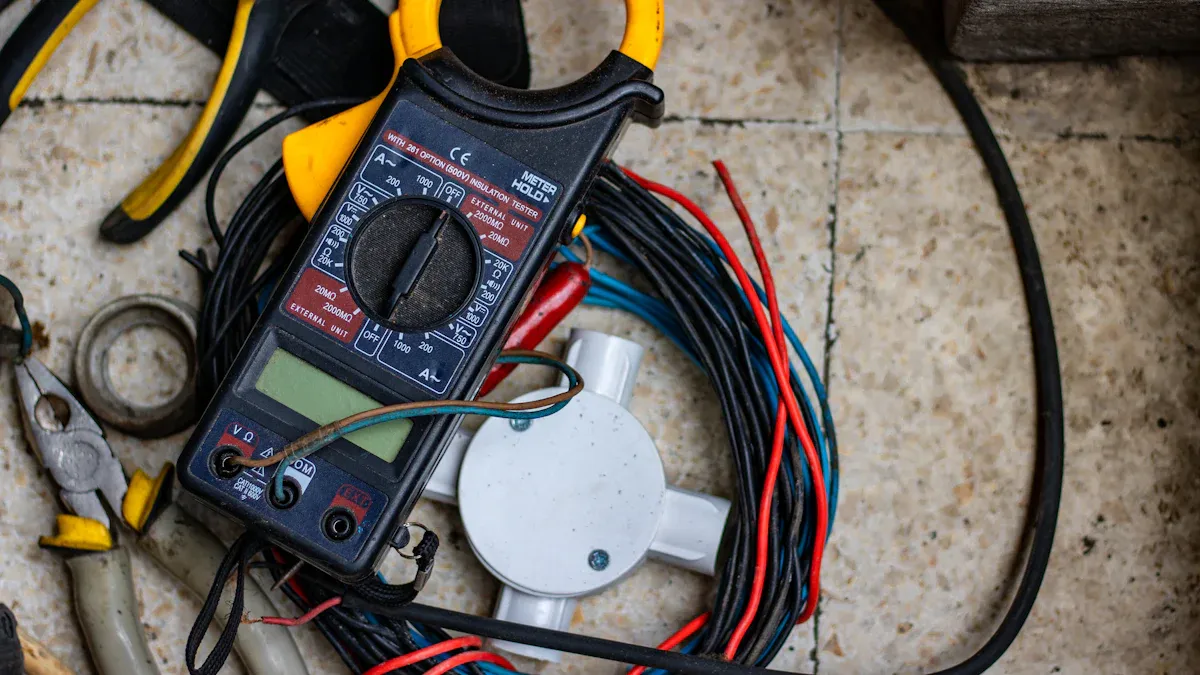
Electrical equipment
Mica tubes are used in many electrical machines. Big factories and new technology need them. You can find mica tubes in motors and generators. They help protect stator and rotor coils. This keeps machines safe and working well. Electric vehicles use mica sheets to separate battery cells. This stops short circuits and helps control heat. Mica tubes are also in aerospace, military, cars, and power plants. These industries trust mica tubes because they work in strong electric fields and high heat. Mica can handle up to 2000 kilovolts per millimeter before it breaks. It protects circuits from voltage problems and helps machines last longer.
- High-voltage motors and generators
- Electric vehicles (EVs)
- Aerospace and military devices
- Automotive systems
- Power generation equipment
Tip: Using mica tubes helps stop electrical problems and makes things safer.
High-temperature uses
Mica tubes work in places that get very hot. You can use them in furnaces, motors, and appliances. They keep working even when it gets up to 1000°C. Other materials, like ceramic fiber or silicone rubber, cannot handle this much heat. Mica tubes also resist chemicals and stay flexible. This makes them great for tough jobs.
You can count on mica tubes to work in very hot places.
Wire and cable insulation
If you need to protect wires and cables, mica tubes give strong insulation. They stand up to high heat and do not catch fire. This keeps wires safe, even if there is a fire. Mica tubes also resist water, chemicals, and damage. They keep their shape and strength. Your cables last longer and work better.
Note: Picking mica tubes for wire and cable insulation helps you follow safety rules and keeps your systems working well.
Selection and quality
Choosing mica tubes
When you pick a mica tube, think about your job. You need to know the voltage and how hot it gets. Some tubes are better for high voltage. Others work for low voltage. You should also check if the tube will touch chemicals or water. The tube must be strong enough for the stress it will face.
Here is a table to help you choose the right tube:
You should also think about these things:
- What temperature the tube must handle
- How much electrical insulation you need
- How much force or bending the tube will get
- If chemicals might touch the tube
- If the tube meets industry rules
The kind of mica tube you need depends on your job. Some special grades are stronger and can take more heat. For example, Fluorosint® 500 does not change shape easily and does not grow much when hot. Fluorosint® 207 is good for food and medicine jobs because it blocks steam and resists chemicals.
Tip: Always pick a tube that matches your job. This helps your equipment last longer and keeps it safe.
Standards and certifications
You must make sure your mica tube is safe and good quality. Many industries use rules to check if tubes are safe. These rules test for fire safety, electrical safety, and how good the materials are.
You should look for these certifications before you buy. This helps you follow safety rules and avoid trouble.
Common issues
Sometimes, problems happen with mica tubes. If you pick a tube that is too thin, it may not stop high voltage. If the tube cannot take the heat, it might crack or get weak. Chemicals can also hurt some tubes if you do not pick the right kind.
You can stop these problems by:
- Checking what voltage and heat you need
- Picking a tube that resists chemicals
- Making sure the tube meets industry rules
Note: Picking carefully helps you avoid problems and keeps your equipment safe.
When you pick a mica tube, it gives strong protection. Mica can take heat over 1000°C. It stops heat and electricity from getting through. This works better than many other materials.
- Mica cuts down heat flow by up to 95%.
- It is good for places needing both heat and electrical insulation.
You should use smart steps to choose the right tube:
- Pick high-quality mica that fits your needs.
- Look for cracks or problems before you use it.
- Work with skilled makers to get better results.
FAQ
What makes mica tubes better than plastic insulation?
Mica tubes can handle more heat than plastic. They also work with stronger electric fields. This means they protect better in tough places. Plastic melts or breaks down quickly. Mica tubes last longer and keep things safer.
Can you cut or shape mica tubes for custom jobs?
Yes, you can cut or shape mica tubes easily. Use a fine saw or a sharp blade. Always wear gloves and safety glasses to stay safe. Mica tubes stay strong after you cut or shape them.
Are mica tubes safe for use around fire?
Mica tubes do not burn or spread flames. You can use them where there is fire risk. They help keep wires and cables safe in emergencies. Firefighters and engineers trust mica tubes for safety.
How do you store mica tubes to keep them in good shape?
Keep mica tubes dry and away from chemicals. Store them in a cool place. Use boxes or shelves so they do not bend or break. Check for cracks before you use them.
Where do you use mica tubes most often?
You find mica tubes in motors, generators, and furnaces. Factories and power plants use them for insulation. Electric vehicles and aerospace equipment also use mica tubes for safety and performance.
Related Blog
Related Downloads

Company Address: Wushi Industrial Park, Xingwang Road, Pingjiang High-tech Industrial Park, Wushi Town, Pingjiang County, Hunan Province


This website supports both IPv4 and IPv6 access.