
5 Critical Mica Tape Applications
Published time:
2025-08-25 10:08
Source:


Working with high-temperature industrial equipment? Electrical insulation challenges keeping you up at night? The solution might be simpler than you think—but choosing the wrong approach could cost you thousands in equipment damage and downtime.
Mica tape stands as one of the most versatile yet underutilized materials in modern manufacturing and electrical engineering. This naturally-occurring mineral composite offers exceptional thermal resistance, electrical insulation properties, and mechanical durability that synthetic alternatives simply cannot match.
Whether you're designing electrical motors, manufacturing fire-resistant cables, or developing high-temperature industrial equipment, understanding mica tape applications could be the key to solving your most persistent engineering challenges while reducing long-term operational costs.
What Is Mica Tape and Why Does It Matter?
is a specialized insulation material created by combining thin sheets of natural mica with backing materials like glass cloth, polyester film, or paper. This combination creates a flexible, heat-resistant tape that maintains its insulating properties even at temperatures exceeding 500°C (932°F).
The importance of mica tape in industrial applications cannot be overstated. Unlike conventional insulation materials that degrade rapidly under extreme conditions, mica tape retains its structural integrity and electrical properties across a wide temperature range. This reliability makes it indispensable for critical applications where failure isn't an option.
Natural mica's unique crystalline structure provides inherent fire resistance, making mica tape a crucial component in fire safety systems and emergency equipment that must continue operating during fire events.
How Mica Tape Works: Understanding the Core Principles
The effectiveness of mica tape stems from mica's natural layered silicate structure. These microscopic layers create multiple barriers against heat transfer and electrical conductivity, while the backing material provides mechanical strength and flexibility.
When exposed to extreme heat, mica tape undergoes a controlled decomposition process. The organic backing materials may burn away, but the mica layers expand and lock together, forming a continuous insulating barrier. This self-reinforcing characteristic ensures protection continues even under the most demanding conditions.
The electrical insulation properties result from mica's high dielectric strength—typically ranging from 20-30 kV/mm depending on the specific grade. This allows mica tape to prevent electrical breakdown in high-voltage applications while maintaining dimensional stability.
5 Essential Mica Tape Applications
1.

Electric motors and generators represent the largest application area for . The tape wraps around conductor coils, providing both thermal and electrical insulation in rotating machinery operating at temperatures up to 180°C continuously.
In high-performance motors, mica tape prevents turn-to-turn faults and ground faults that could destroy expensive equipment. The material's flexibility allows it to conform to complex coil geometries while maintaining consistent insulation thickness.
2.
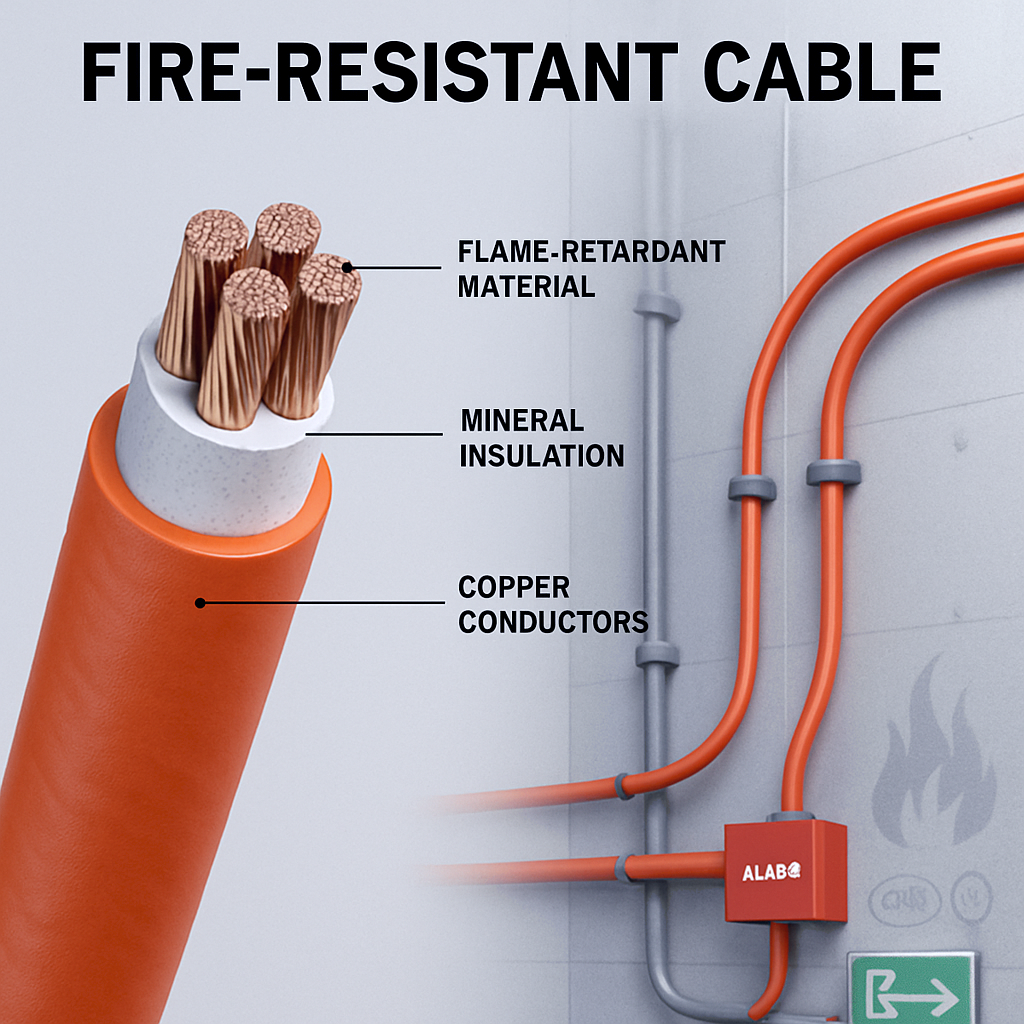
plays a critical role in fire-resistant cable construction, where it wraps around individual conductors or cable cores. During fire exposure, the tape maintains circuit integrity for specified time periods—typically 30 minutes to 3 hours depending on the application.
This application is particularly vital in emergency systems, fire alarm circuits, and evacuation lighting where electrical continuity during fire events can save lives.
3.

Manufacturing processes requiring precise temperature control rely on heating elements wrapped with for both insulation and mechanical protection. The tape prevents short circuits while allowing efficient heat transfer to the target application.
Industries such as plastic processing, food manufacturing, and chemical production depend on this application for consistent product quality and equipment longevity.
4.
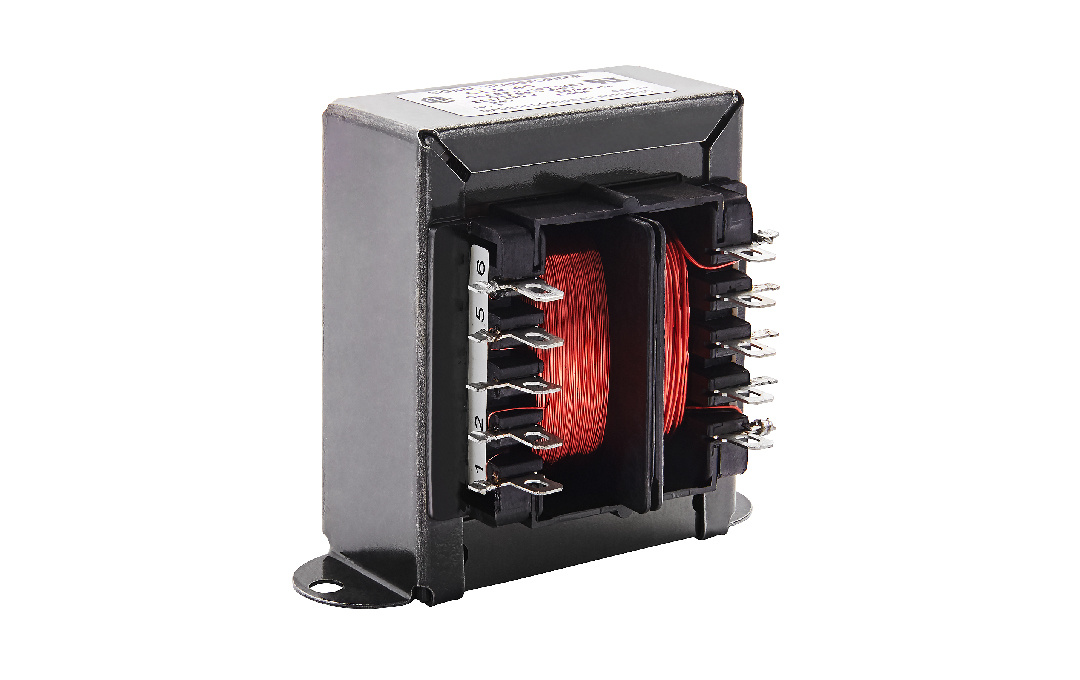
Power transformers use mica tape in combination with other insulating materials to create robust insulation systems capable of handling high voltages and temperatures. The tape typically insulates high-voltage windings and provides additional thermal protection.
This application is essential for power grid reliability, as transformer failures can cause widespread outages and require expensive replacements.
5.

The aerospace industry utilizes in aircraft electrical systems, where weight, reliability, and performance under extreme conditions are paramount. The material's natural fire resistance and temperature stability make it ideal for critical flight systems.
Defense applications include military vehicles, naval systems, and communication equipment where equipment must function reliably in hostile environments.
Key Selection Criteria for Mica Tape Applications
Temperature Rating
Different mica tape grades offer varying temperature capabilities. Muscovite mica tapes typically handle temperatures up to 500°C, while phlogopite mica versions can withstand temperatures exceeding 1000°C. Match the temperature rating to your specific application requirements with appropriate safety margins.
Backing Material Compatibility
The backing material significantly impacts performance characteristics. Glass cloth backing provides excellent mechanical strength, polyester film offers superior flexibility, and paper backing delivers cost-effectiveness for lower-temperature applications.
Adhesive Properties
Some mica tape products include pressure-sensitive adhesives for easy application, while others rely on separate bonding systems. Consider your installation requirements and environmental conditions when selecting adhesive types.
Electrical Properties
Verify that the dielectric strength, volume resistivity, and dielectric constant meet your electrical design requirements. These properties can vary significantly between different mica tape formulations.
Frequently Asked Questions About Mica Tape Applications
How long does mica tape maintain its properties in high-temperature applications?
Mica tape can maintain its insulating properties for decades when properly applied within its temperature rating. The natural mica component is essentially inert, while the backing material determines the overall service life.
Can mica tape be used in outdoor applications?
Yes, many mica tape formulations include weather-resistant backing materials suitable for outdoor use. However, UV exposure and moisture absorption should be considered in the selection process.
What's the difference between muscovite and phlogopite mica tape?
Muscovite mica tape offers better electrical properties and is more cost-effective, making it suitable for most electrical applications. Phlogopite mica tape provides superior high-temperature performance and is preferred for extreme temperature applications.
How do I calculate the required thickness for my application?
Mica tape thickness selection depends on voltage requirements, temperature conditions, and mechanical stresses. Consult industry standards such as IEC 60085 or work with tape manufacturers to determine appropriate specifications.
Is mica tape environmentally friendly?
Mica tape uses naturally occurring minerals, making it more environmentally friendly than many synthetic alternatives. However, the backing materials and adhesives may have environmental considerations that should be evaluated.
Making the Right Choice for Your Application
Understanding mica tape applications opens doors to solving complex engineering challenges across multiple industries. The key lies in matching the specific properties of different mica tape formulations to your unique requirements.
Start by clearly defining your temperature requirements, electrical specifications, and environmental conditions. Then work with qualified suppliers who can provide detailed technical data and application support. For a curated list of trusted providers, see our page. Remember that the initial cost of high-quality mica tape is typically offset by improved equipment reliability and reduced maintenance requirements.
For specialized applications or technical guidance on mica tape selection, consider consulting with materials engineers who have experience in your specific industry sector.
Previous Page
Next Page
Related Blog
Related Downloads

Company Address: Wushi Industrial Park, Xingwang Road, Pingjiang High-tech Industrial Park, Wushi Town, Pingjiang County, Hunan Province


This website supports both IPv4 and IPv6 access.