
Unassuming mica is, in fact, the guardian of safety in electric heating appliances.
Published time:
2026-10-26 08:48
Source:


What keeps ovens and hair dryers from shorting out under sustained high temperatures? It’s all about high‑temperature‑resistant mica.
Household appliances such as hair dryers, ovens, and electric cookers generate extremely high internal temperatures during operation. While the heating elements glow red-hot, the outer casings remain non‑conductive and are unlikely to short‑circuit. Few people realize that safeguarding the safety of these appliances is a seemingly unassuming mineral material: high‑temperature‑resistant mica.
Open the housing of a hair dryer, and at the spot where the heating element is coiled, you’ll find off‑white, sheet‑like material. Similarly, behind the heating components inside ovens, toasters, and electric cookers, you’ll discover mica products. Though unobtrusive, they are the cornerstone of safety in electric heating appliances.

What is mica?
Mica is a layered silicate mineral that can be exfoliated into thin sheets. Through modern processing, mica raw material is transformed into mica paper and, combined with high‑temperature‑resistant silicone resin, is laminated into rigid or flexible mica boards, which serve as common insulating and heat‑insulating substrates in household appliances.
Household appliances on the market are commonly categorized into several types, including phlogopite mica, muscovite mica, and synthetic mica. Due to differences in material composition, their temperature‑resistance ranges also vary; therefore, you can select the appropriate material based on the appliance’s operating temperature.

In small household appliances, mica serves two core functions.
Electrical insulation to prevent short circuits and leakage currents.
After being energized, the nickel‑chromium heating wires inside hair dryers and ovens reach very high temperatures, making them live, high‑temperature components. Mica sheets are inherently nonconductive; the heating wires are wound around a mica core, effectively isolating the live heating element from the metal housing and other circuit components. Even if the wire temperature rises sharply, the mica insulation maintains its dielectric strength, reducing the risk of short circuits and electrical leakage and ensuring the overall electrical safety of the device.
Without mica insulation, the high‑temperature heating element could come into contact with the metal housing, resulting in electrical leakage and short‑circuit faults.
High-temperature resistant and heat-insulating, suitable for continuous heating conditions.
Ordinary plastics melt and carbonize when exposed to temperatures of several hundred degrees Celsius, whereas mica-based products can operate stably at such temperatures, enduring the sustained high heat generated during appliance operation. They resist deformation upon heating, are not easily flammable, exhibit low thermal weight loss, and produce minimal smoke and odor when heated.
It both supports the heating element as a structural framework and prevents heat from conducting to surrounding components, thereby protecting nearby plastics and wiring from thermal damage and extending the service life of appliance parts.
Different household appliances have varying requirements for the hardness and softness of mica sheet materials:
Hair dryers and heat guns: Most use flexible mica sheets, which are tough and can be bent and shaped to conform to the cylindrical internal geometry, facilitating the winding of heating wires.
Ovens, electric cookers, and toasters: Use high‑strength rigid mica sheets, which offer greater durability, as partitions and liners for heating elements to withstand prolonged exposure to high temperatures.
![10-piece set] Microwave oven accessory: mica sheet, mica plate, high-temperature-resistant mica insulating gasket, washer PC4213 | Tuenmall Department Store](https://omo-oss-image.thefastimg.com/portal-saas/pg2025031421123185709/cms/image/b008abcd-d54b-4f24-a684-2569aa92eb16.jpeg)
Simply understand its operating logic.
When the appliance is powered on, the heating element generates substantial heat, causing the temperature to rise rapidly.
The heating wire is wound and secured to the surface of the mica sheet.
Mica, on the one hand, insulates against electric current, preventing energized heating elements from coming into contact with the metal enclosure; on the other hand, it withstands high temperatures, blocking heat from radiating outward.
Hot air is discharged through the heating element, and the entire unit maintains insulation and structural stability under high-temperature conditions.
⚠️Tip: Mica only provides material‑level protection and does not mean you can use household appliances without limits. If a hair dryer’s air intake becomes blocked or an oven is operated under heavy load for extended periods, overheating risks can still arise. Always follow the product manual and ensure adequate ventilation and heat dissipation during everyday use.

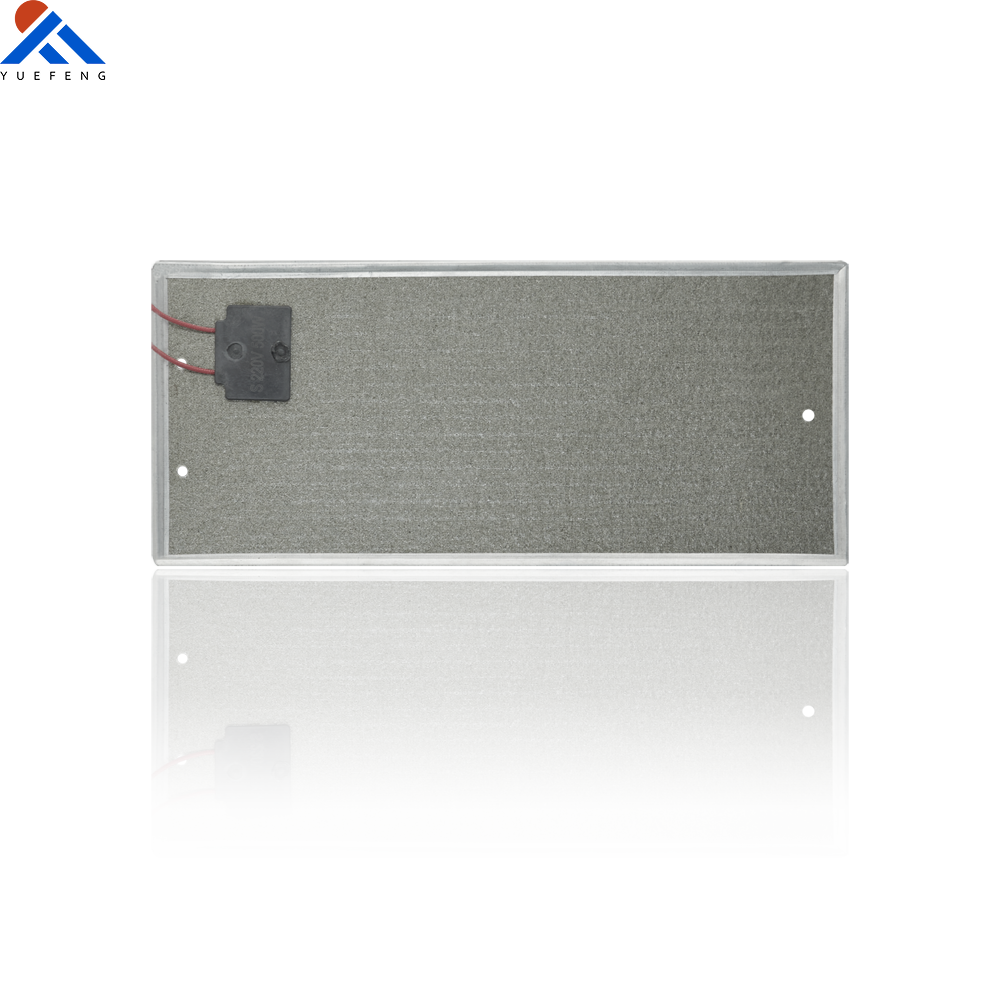


Beyond small household appliances, the applications of mica are far more extensive than one might imagine.
Beyond household kitchens and personal-care electric heating appliances, mica materials find a wide range of applications: in the fire‑resistant cable industry, mica tape serves as a fire‑retardant coating, helping to maintain the circuit’s short‑term integrity under fire conditions; industrial electric furnaces, heating equipment, and certain components supporting new energy technologies also employ mica‑based insulating products for thermal insulation and electrical isolation.
From raw mineral ore, through pulping, papermaking, sizing, lamination, and cutting to shape, a small mica sheet quietly safeguards the electrical safety of our everyday household appliances. Many people use hair dryers and ovens every day, yet rarely notice this hidden safety guardian tucked inside the devices.
Many household appliances’ safety doesn’t rely solely on sophisticated chips—it also depends on these fundamental new materials. Once you understand mica, the next time you disassemble a small appliance, you’ll be able to recognize this “unsung hero of high‑temperature insulation.”

Related Blog
Related Downloads

Company Address: Wushi Industrial Park, Xingwang Road, Pingjiang High-tech Industrial Park, Wushi Town, Pingjiang County, Hunan Province


This website supports both IPv4 and IPv6 access.