
The safety safeguards of high-temperature electric heating equipment: a discussion on the indispensable mica tubes.
Published time:
2026-10-15 10:40
Source:


The key to preventing fires in high-temperature electric heating equipment! Let’s demystify mica tubes.
Inside various high‑temperature electric heating devices, there is an unassuming tubular component that quietly shoulders the critical tasks of insulation, thermal isolation, and protection. Should it fail, the risks of electrical leakage, overheating, and fire would increase dramatically—this component is the mica tube. In this article, we will explore what mica tubes are, their key characteristics, and the vital role they play in such equipment.
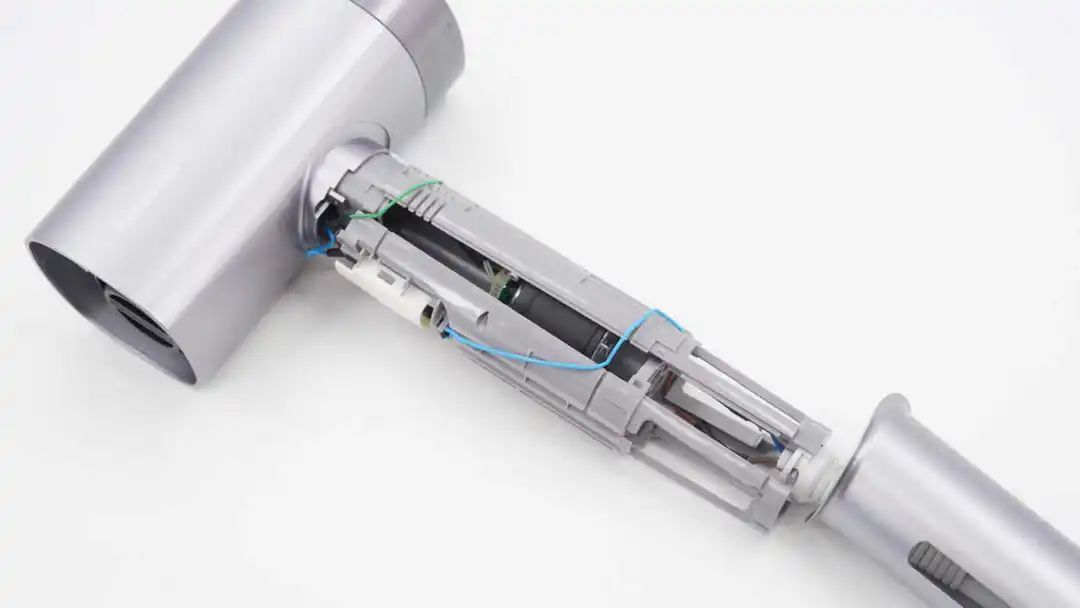
In numerous electric‑heating devices—such as hair dryers, space heaters, industrial electric furnaces, and electric smelting furnaces—the internal heating elements can reach temperatures of several hundred degrees Celsius during operation. In such high‑temperature environments, without reliable insulation and isolation, the heating elements can easily become electrically connected to the equipment’s metal enclosure, leading to leakage currents; moreover, uncontrolled heat dissipation outward increases the risk of igniting nearby components.
Many people focus on conspicuous components like heating coils and temperature controllers, often overlooking the mica tubes concealed within the device. Though they appear to be ordinary tubular parts, they serve as a critical safety barrier under high-temperature operating conditions.
I. What exactly is a mica tube?
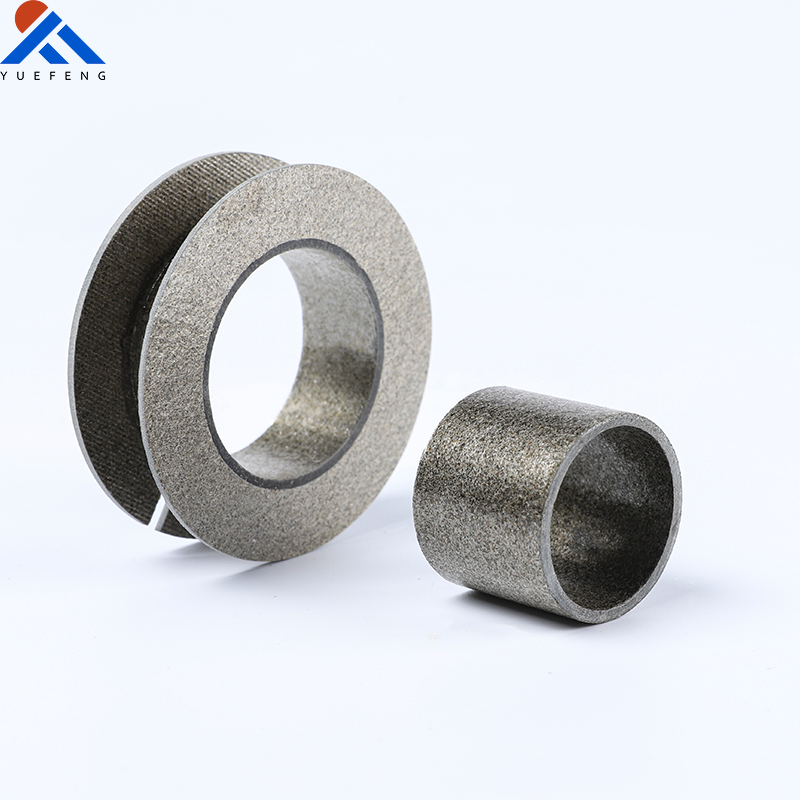
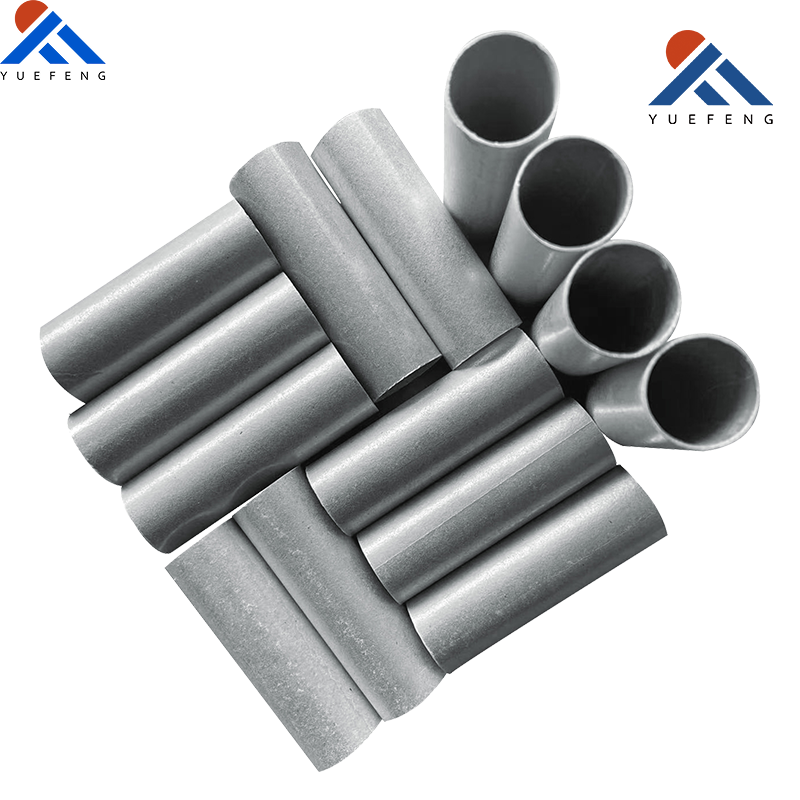
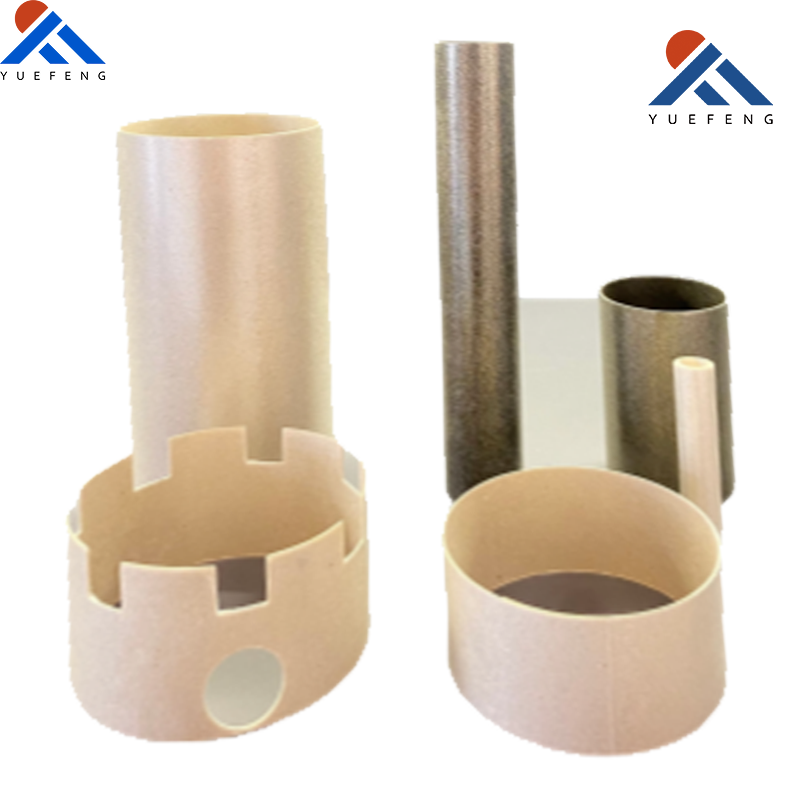
Mica tubes are rigid tubular insulating products made from muscovite paper and phlogopite paper as base materials, combined with high‑temperature‑resistant silicone rubber. They are manufactured through a series of processes, including winding, bonding, and baking.
Depending on the type of mica raw material used, products can be categorized into muscovite tubes, phlogopite tubes, and other types. Each material offers a distinct temperature‑resistance range, making it suitable for various applications in household appliances, industrial equipment, and other settings.
It differs from ordinary plastic tubing and glass sleeves, and also stands apart from ceramic sleeves. Compared with ceramic tubes, mica tubes offer greater wall‑thickness control and more precise dimensional tolerances, superior resistance to vibration and impact, enhanced fracture resistance, and improved assembly compatibility, making them a widely used insulating sleeve material in high‑temperature applications.

II. Two Core Capabilities to Ensure the Safe Operation of Electric Heating Equipment
✅ High-temperature thermal stability, effectively preventing the spread of heat.
The intrinsic mineral structure of mica imparts excellent thermal stability to the material. Mica tubes made from different grades can withstand operating temperatures ranging from several hundred to nearly a thousand degrees Celsius over extended periods. Under sustained high‑temperature exposure from heating elements, they maintain structural integrity and are resistant to softening or melting.
The heating wire is either wound around or sleeved over the exterior of a mica tube. The mica tube serves as an insulating buffer, preventing high temperatures from directly conducting to nearby flammable components such as plastic parts and wiring harnesses, thereby reducing safety risks associated with localized overheating.
✅ Reliable electrical insulation, reducing the risk of leakage current.
In high-temperature environments, many insulating materials experience a decline in their insulating performance. Mica tubing exhibits excellent dielectric strength and maintains superior insulation even under elevated temperatures, effectively isolating energized heating elements from the equipment’s metal enclosure and other components, thereby reducing the occurrence of leakage currents and dielectric breakdown.
At the same time, the product is asbestos-free and generates minimal smoke and odors even under high-temperature operating conditions, meeting the performance requirements of household appliances and industrial equipment. In addition to its thermal insulation properties, mica tubing also boasts excellent mechanical strength, making it an ideal support structure for heating elements and providing secure fixation for heating wires.

III. Where are mica tubes used?
Mica tubes are widely used in both the consumer appliance and industrial equipment sectors. In the household and small‑appliance segment, heating elements in hair dryers, heat guns, space heaters, and certain baking and heating devices are fitted with mica tubes as insulating sleeves, isolating the heating wires from metal components to ensure safe operation of these appliances.
In the industrial high‑temperature equipment sector—such as electric furnaces, electric smelting furnaces, various high‑temperature heaters, and motor‑driven machinery—mica tubes are used as insulating protective sleeves for electrode rods and lead-out sections. Certain temperature‑sensing thermocouples also employ mica tubing for high‑temperature protection, making them well suited to metallurgical and heat‑treatment applications.


IV. Why is it said to be related to the risk of equipment fires?
Electrical heating equipment can catch fire for a variety of reasons: thermostat malfunctions, component aging, and damage to insulating parts can all trigger accidents. While mica tubes are not the sole safeguard against fires, they do constitute an important protective measure.
Inside the device, the heating element remains at high temperatures. If the mica tube cracks, delaminates, or otherwise fails, its insulating and isolating performance will deteriorate. On one hand, the heating wire may come into contact with the metal housing, leading to a short circuit; on the other hand, the high temperature can be directly transferred to nearby non‑metallic components, accelerating material aging and increasing the risk of fire.
Of course, for mica tubes to deliver their protective performance, it is essential to select materials and specifications that match the specific operating conditions and to ensure proper manufacturing and assembly. If the selected temperature rating is inadequate, the wall thickness is mismatched, or hidden damage occurs due to impacts during assembly, these factors can also compromise the tube’s actual protective effectiveness.


V. A Few Practical Tips for Selection and Use
Select material and specifications based on operating conditions: Different types of mica tubes have varying temperature‑resistance ranges. Choose a mica tube with a substrate that matches the equipment’s long‑term operating temperature and transient peak temperatures, and ensure that the inner diameter, wall thickness, and length are compatible with the assembly configuration.
Pay attention to the appearance: Qualified mica tubes have a smooth surface, with no obvious delamination, bubbles, or cracks, and their end faces are neatly cut. Mica tubes exhibiting cracks or interlayer delamination will have significantly reduced insulation and protective performance and are not recommended for use.
Assembly precautions against impact and compression: Mica tubes possess a certain degree of mechanical strength, but severe impacts or compressive forces can still induce internal cracks that may not be readily visible to the naked eye. During assembly, minimize impacts and compressive forces as much as possible.
Regularly monitor the aging condition: When equipment operates continuously under high-temperature cycling, the mica tubes will naturally age. During maintenance, check the insulating sleeves for any abnormalities, such as discoloration, cracking, or pulverization.
Six: Equipment safety cannot be separated from seemingly inconspicuous insulating components.
Much of the safety in industrial and household appliances is embedded in their unseen internal components. Although mica tubes lack complex, precision‑engineered electronic circuits, they rely on the inherent high‑temperature resistance and insulating properties of mica to quietly form a critical protective barrier for high‑temperature electric heating equipment.
Understanding these fundamental insulating materials also helps us better grasp the safety principles underlying high‑temperature electric heating equipment: the safe operation of a device depends not only on temperature control and protective circuits, but also on the careful selection and quality of the accompanying insulating components.


Related Blog
Related Downloads

Company Address: Wushi Industrial Park, Xingwang Road, Pingjiang High-tech Industrial Park, Wushi Town, Pingjiang County, Hunan Province


This website supports both IPv4 and IPv6 access.