
What Are Fireproof Materials and Their Key Properties
Published time:
2025-11-10 08:46
Source:


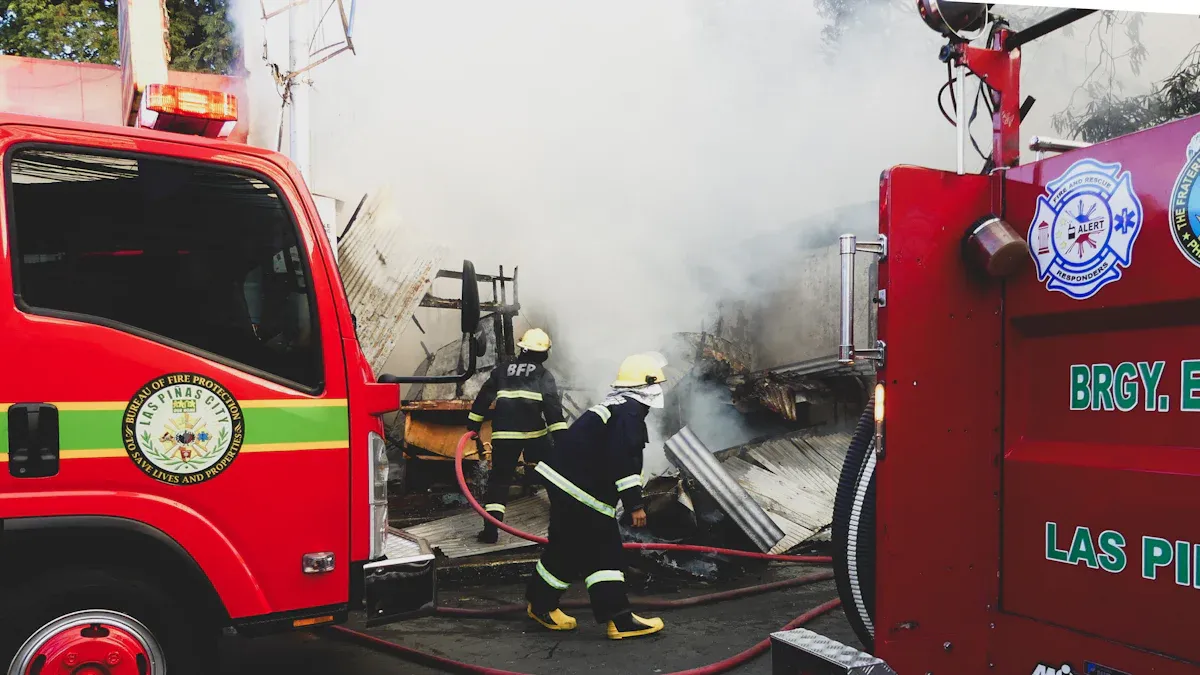
A fireproof material stops things from catching fire and getting damaged by flames. The main job of a fireproof material is to keep people and things safe by slowing down or stopping fire from spreading. Fireproof materials help lower the harm caused by fires.
- In 2023, U.S. fire departments went to 1.39 million fires, which caused USD 23 billion in property loss.
- The World Health Organization says there are 180,000 burn deaths each year, showing we really need good fireproof solutions.
During the wildfires in Hawaii, a house with a metal roof did not burn while others did. This shows that using the right fireproof material can help a lot. People should see how important it is to pick fireproof material for safety and trust.
Key Takeaways
- Fireproof materials help keep people and things safe by stopping fire from spreading fast. Knowing the difference between fireproof and fire-resistant materials is very important for safety. Picking the right fireproof material can save lives and stop damage to things during fires. Fireproofing materials must follow strict safety rules to work well. Checking and taking care of fireproof materials often helps keep them safe for a long time. Fireproof materials can lower smoke and bad gases during a fire, which makes things safer. Different uses need special fireproofing, like for buildings or safety clothes. Buying good fireproof materials can help save money on fixing things and on insurance later.
Fireproof Material Definition
What Is a Fireproof Material
A fireproof material can handle flames and high heat. It does not break down or lose its shape. These materials act like shields. They stop fire from spreading or causing harm. Fireproofing materials are very important for keeping buildings, tools, and people safe. People use them in insulation, coatings, and barriers. They block heat and flames. Even in strong fires, fireproof materials still work. This makes them very important for safety in many jobs.
Fireproof vs. Fire-Resistant
Some people think fireproof and fire-resistant mean the same thing. But they are not the same. Fireproofing materials are made to stay strong in fire. They do not break or lose their shape. Fire-resistant materials only stop fire for a set time. Rules and safety codes show these differences.
Note: No material is truly fireproof. All fireproofing materials can get damaged if fire lasts too long. The word fire-resistant is often better. These materials slow fire but can still burn.
Safety rules need clear words to keep people safe. Fire-resistant materials get a time rating. This helps builders pick the right one for each job. Fireproofing materials like special coatings and insulation are used for the best protection.
Safety Importance
Knowing the difference between fireproof and fire-resistant is very important. Fireproofing materials help stop fire damage and save lives. Building codes often require fire-resistant products. Local rules say where to use them, like in stairs, halls, and fire-rated doors. In big buildings, places like lobbies and stairs must use fire-resistant materials to stop fire from spreading.
- Fire-resistant materials are often needed by building codes.
- Fireproofing materials help protect important places and equipment.
- Picking the right material keeps people safe and follows the law.
Fireproofing materials make buildings and workplaces safer. They slow down flames and cut down on smoke. This gives people more time to get out. Picking the right fire-resistant products is not just for safety. It is also the law in many jobs. Using fireproofing materials the right way can help with insurance and getting building approval.
Key Properties of Fireproofing Materials
Fire Resistance
Fire resistance is the most important property for fireproofing. It shows how well a material can stop fire from spreading. It also shows if the material can keep its shape during a fire. Fireproofing systems need high fire resistance to protect buildings, equipment, and people.
Withstanding High Temperatures
A fireproof material must handle very hot temperatures. It should not lose its strength or shape. Industry rules set clear temperature limits for fireproofing systems. The table below lists common classes for fire resistance by temperature and time:
Fireproofing materials must meet these rules to be safe. For example, a fire-retardant barrier in a data center must keep the temperature under 350°F for four hours. This helps protect important equipment.
Duration of Protection
How long a material can resist fire is very important. It matters as much as the temperature it can take. Fireproofing systems get ratings for how long they stay strong in a fire. Standard tests help measure this. The table below shows two common tests:
These tests show how long fireproofing materials can hold back fire. They help builders and engineers pick the right fireproofing systems for each job.
Tip: How well fireproofing works depends on many things. These include elastic modulus, insulation thickness, and interfacial fracture energy. Thicker insulation and higher elastic modulus usually make fire resistance better.
Thermal Stability
Thermal stability means a fireproof material stays strong when heated for a long time. A stable material does not break, melt, or lose its protection in a fire. Fireproofing systems with high thermal stability keep their shape and work even after long fires.
Experts use different ways to check thermal stability:
- Mass loss as heat or time goes up
- Glass transition temperature (Tg), which shows when a material changes state
- Activation energy of thermal breakdown
- Residual mass after burning, which shows how much char or ash is left
Fireproofing materials with high thermal stability give off less heat. They keep their protective barrier longer. The cone calorimeter method helps measure how much heat is released and the total heat released. Both are important for fire retardancy.
Non-Combustibility
Non-combustibility means a material will not catch fire or help flames spread. Fireproofing systems use non-combustible materials to block fire and protect buildings. Safety tests set strict rules for non-combustibility:
Materials that pass these tests get A1 or A2 class under EN 13501-1. A1 materials do not burn at all. A2 materials only help fire a little. Fireproofing systems use these materials in walls, floors, and ceilings to stop fire from spreading.
Fireproofing materials with high non-combustibility help lower fire risk. They also make buildings and equipment safer from fire.
Durability
Durability shows how long fireproofing keeps working. Fireproofing must last for many years. It should not lose its strength or stop working. Builders pick durable fireproofing to make buildings safer. This also means less fixing and lower costs.
- If fireproofing lasts longer, buildings cost less to keep up.
- Fire-resistant drywall and insulation can hold back flames for hours. This gives people more time to get out.
- Steel that is fireproofed right can take heat up to 1,000°C for two hours. This helps stop buildings from falling down.
Durable fireproofing can handle tough places. It works even with water, chemicals, or lots of heating and cooling. This makes it good for factories, tunnels, and tall buildings. When fireproofing lasts, it keeps people and things safe. Owners save money because they do not need to fix or change it often.
Picking strong fireproofing helps buildings stay safe for a long time.
Low Smoke and Toxic Emission
Low smoke and toxic emission is very important for fireproofing. Some materials make thick smoke and bad gases in a fire. This can make it hard to see or breathe. It can put people in danger. Fireproofing with low smoke and toxic gas helps keep exits clear. It also helps keep people safe.
The table below shows how much gas comes from fireproofing when it burns:

Most good fireproofing does not make much smoke or gas. Carbon monoxide (CO) is the main gas made. But it is much less than with normal building stuff. Other bad gases, like hydrogen chloride or hydrogen cyanide, do not show up in these tests. This makes fireproofing safer for people. It also helps meet building rules.
Low smoke and toxic emission is needed in schools, hospitals, and public places. It helps firefighters do their jobs. It gives people more time to get out. Picking fireproofing with this property keeps people and things safe.
Types of Fireproofing Materials

Inorganic Fireproofing Materials
Concrete, Brick, Stone
Inorganic fireproofing materials are very important for fire safety. Concrete, brick, and stone make strong barriers against heat and flames. These materials do not burn or melt in a fire. Builders use them in walls, floors, and ceilings to make safe places in buildings.
These materials do well in fire endurance tests. The table below shows how concrete and similar materials are tested:
Concrete and brick walls can stop fire for many hours. They keep their strength even when it gets very hot. Stone is also very strong and does not make toxic smoke. These features make inorganic fireproofing materials a great choice for long-lasting fire safety.
Metal-Based Fireproofing
Steel, Aluminum
Metal-based fireproofing uses steel and aluminum to protect buildings from fire. These metals do not burn and can hold heavy loads during a fire. Builders use them in beams, columns, and frames in many buildings.
The table below shows how long these metals can resist fire:
Steel and aluminum can take high heat for up to four hours. This gives people more time to leave safely and helps stop buildings from falling down. Engineers often add fireproofing boards or wraps to metal parts. These boards help metals last longer in a fire and meet safety rules.
Fireproofing Coatings
Intumescent Paints, Sprays
Fireproofing coatings are important in modern fire safety. Intumescent paints and sprays protect surfaces by making a thick layer when heated. When it gets to 200-250°C, these coatings grow much thicker. This foam layer soaks up heat and blocks oxygen, which slows down fire.
Intumescent paints work on steel, wood, and other building materials. They help buildings stay strong during a fire. Fireproofing coatings are easy to put on and do not make buildings much heavier. Many builders use them for new buildings and for fixing old ones.
Fireproofing coatings, boards, and wraps give flexible ways to protect against fire. These products help keep buildings, equipment, and people safe from fire dangers.
The table below lists the main types of fireproofing materials and where they are used:
Fireproofing materials like coatings and boards are needed in many places. They help keep buildings safe and follow fire safety rules.
Fireproof Fabrics
Aramid Fibers, Treated Textiles
Fireproof fabrics are very important for keeping people safe. Aramid fibers like Nomex and Kevlar can stop flames and heat. These materials do not melt or drip when they touch fire. This makes them good for clothes in dangerous jobs.
- Aramid fibers are strong and do not wear out easily.
- They do not carry electricity and do not catch fire easily.
- The fabric stays strong even when it gets very hot.
Fireproof fabrics get special treatments to work better. Makers use new ways to weave and treat the fibers. This helps make the fabric soft and easy to move in. Scientists are studying nanotechnology and mixing different fibers to make them even safer.
Aramid fibers and treated fabrics help keep firefighters, workers, and soldiers safe. These fireproof materials do not let fire keep burning, so people get fewer burns. They last a long time and work well, so many people use them for safety gear.
Fireproof fabrics keep people safe in risky jobs. They are strong, comfortable, and meet tough safety rules.
Mica Insulation Materials
YUEFENG Mica Products
Mica insulation materials have special fireproof features that make them different from other materials. YUEFENG is a top company that makes many kinds of mica products for fire safety and electrical use.
Mica’s natural layers soak up heat and stop fire from spreading fast. This is very important where fireproofing really matters. YUEFENG’s mica insulation does not burn and can take heat up to 1600°C. This makes it one of the best choices for fire safety.
YUEFENG’s mica tape and plates protect wires, machines, and building parts. They are used in home appliances, trains, and electric cars. These fireproof materials help keep heat in and make sure systems stay safe, even in tough places.
YUEFENG makes sure their mica insulation is safe and works well for many uses.
Fireproofing Methods
Physical Barriers
Physical barriers are a trusted way to stop fire in buildings. Builders use fire walls and fire barriers to split up spaces. These barriers keep fire from moving fast between rooms or floors. By dividing a building, barriers help protect the building’s parts. They also give people more time to get out if there is a fire. Fire-resistance rated construction is called passive fire protection. It is very important for keeping buildings safe. These barriers have ratings from one to four hours. The rating tells how long the barrier can hold back fire and stay strong.
Fire barriers slow down fire and protect key areas. This makes them very important for safety in schools, offices, and factories.
The table below lists common fireproofing methods and what they are like:
Chemical Treatments
Chemical treatments make wood, cloth, and other things better at stopping fire. These methods use special chemicals to slow or stop fire. Pressure-treated wood gets a chemical mix pushed in under high pressure. This makes the wood last longer and resist fire. Flame-retardant paints and sprays cover things and make a shield. This shield slows down burning and keeps flames from spreading.
There are different chemical treatments:
- Pressure-treated wood: Chemicals go deep into wood to help stop fire.
- Flame-retardant paints: These paints react to heat and slow down flames.
- Flame-retardant sprays: These sprays make a shield on surfaces.
Makers use new chemical treatments that are safe and good for the planet. Some, like intumescent paints, puff up when hot and make a thick layer. Others, like brominated flame retardants, lower how easy things burn but can hurt the environment. Surface fire retardants, varnishes, and cellulose wadding also help stop fire.
Intumescent Fireproofing
Intumescent fireproofing is a new and strong way to stop fire. When it gets hot, intumescent coatings puff up to 100 times thicker. This makes a thick foam that keeps heat away from building parts. The process uses three main things: an acid source, a carbon source, and a blowing agent. The acid source makes mineral acid, which dries out the carbon source. The carbon source makes a hard char. The blowing agent lets out gas that makes the char grow into foam.
Intumescent fireproofing works well on steel beams, columns, and other open parts. It keeps the building looking nice and gives good fire protection. This method is light and easy to use, so builders like it for new and old buildings. But it needs careful work and checks to keep working well for a long time.
Intumescent fireproofing gives safety, looks good, and is easy to use. This makes it a top pick for many building jobs.
Insulation Techniques
Insulation techniques are very important for fireproofing. Builders use them to slow heat and stop fire from spreading. Good insulation helps keep buildings safer in a fire. It also protects people and their things.
Fireproof insulation blocks heat and makes barriers. These materials do not burn easily. They help keep walls, ceilings, and floors cool during a fire. Many kinds of insulation give both heat and fire protection.
Fiberglass insulation is a common choice. It does not burn and meets tough fire safety rules like ASTM E84 and E136. Builders use fiberglass for heat and sound control. Mineral wool is another good option. It stops fire from moving through walls and works well at building edges. Polyiso continuous insulation makes a strong barrier against heat, air, and water. This insulation helps seal the building and saves energy. Closed-cell spray foam has a high R-value, so it stops heat very well. It also keeps out water and air, so it works in many buildings.
The table below lists common insulation materials, their fire resistance, and where they are used:
Insulation does more than block heat. Some, like mineral wool, also stop smoke and bad gases from moving. This helps people get out and helps firefighters work. Builders often mix different types to get the best fire safety.
Tip: Always make sure insulation meets local fire codes. The right insulation can really help with fire safety.
Modern insulation keeps getting better. Makers now make products that last longer and work in tough places. They also try to make insulation safe for people and nature. When builders pick the right insulation, they help make buildings safer and stronger.
Applications of Fireproofing Materials

Building Construction
Walls, Floors, Ceilings
Fireproof materials are very important in building construction. Builders use them in walls, floors, and ceilings to slow fire. These materials help keep people safe inside buildings. They must follow strict rules like IBC, ASTM E119, and UL 263. Fireproofing helps steel beams and columns stay strong in a fire. Sprayed fire-resistive materials, made from gypsum or mineral fibers, add insulation. This insulation protects important building parts from heat. Fireproofing boards and mineral wool cover key areas to stop dangerous heat. Fire-rated assemblies are built to hold back fire for a set time. This gives people more time to get out safely. Firestop systems fill gaps in fire-rated walls and floors. This stops fire from moving through these spaces.
Fireproof walls and ceilings help buildings follow safety rules and protect people in emergencies.
Industrial Uses
Cables, Equipment, Data Centers
Factories and data centers need fireproof materials to protect equipment. Fireproofing electrical cables is very important in these places. These cables have insulation that blocks heat and stops fire from spreading. Special monitoring systems can find fire early. This helps workers act fast. Power monitoring and smoke detection systems work together for safety. Data centers use clean agents and inert gases to put out fires. These do not hurt sensitive equipment. Fireproofing helps with stopping, finding, putting out, and fixing after fires. These steps keep fires from starting, warn people, control flames, and help with repairs.
- Fireproofing electrical cables keeps power on and protects data.
- Early detection, like VESDA air sampling, keeps equipment safe.
- Clean agents and inert gases put out fires without hurting electronics.
- Good fire protection means stopping, finding, putting out, and fixing after fires.
Transportation
Rail, Automotive, Aerospace
Trains, cars, and airplanes use fireproof materials to keep people and cargo safe. These vehicles must follow tough fire safety rules. Makers use special fireproofing materials like BISCO HT-800, HT-200, and MF1. These meet standards such as EN 45545-2 for trains and 49CFR238/NFPA 130 for rail systems. Important tests include ASTM E162 for how fast things burn, ASTM E662 for smoke, and SMP 800-C for toxic gas. In airplanes, tests check how well materials stop flames and heat.
Fireproof materials in transportation help stop injuries and protect things during accidents.
Personal Protective Equipment
Firefighter Gear, Protective Clothing
Personal protective equipment is very important for fire safety. Firefighters and emergency workers need fireproof gear to stay safe. This gear protects them from heat, flames, and dangerous places. Makers build these clothes to meet tough rules for heat safety, strength, and comfort. Fireproof suits, gloves, boots, and helmets use special materials like aramid fibers and treated fabrics. These materials do not catch fire, do not melt, and block heat and flames.
The National Fire Protection Association (NFPA) makes the main rules for firefighter gear. Each rule lists what the gear must do for fireproofing, water safety, being seen, and lasting a long time. The table below shows the main NFPA rules:
Fireproof clothes must take high heat and stop flames from touching skin. Designers also make sure these clothes are easy to wear and move in. This helps firefighters do their jobs well. Bright colors and water barriers make the gear even safer. Fireproof materials in this gear help stop burns and save lives in emergencies.
Home Appliances
Fireproof materials also make home appliances safer. Makers pick these materials to stop fires and keep people safe. Many kitchen counters use fire-resistant materials like granite and quartz. These counters look nice and do not burn or get damaged by heat. Floors made from ceramic or stone tiles do not burn and keep out water. This makes them good for kitchens and bathrooms.
- Granite and quartz counters give safe, fireproof places to cook.
- Ceramic and stone tiles make floors that do not burn or get wet.
Homeowners can make their homes safer by picking fireproof materials that look good. Fire-resistant coatings for air ducts help stop fire and smoke from moving through the house. These choices keep homes safe and still look nice.
- Picking the right materials keeps homes safe and stylish.
- Fire-resistant duct coatings slow down fire and smoke.
Fireproof materials in home appliances and finishes help families feel safe. They help stop accidents and lower damage if something bad happens.
Choosing Fireproofing Materials
Intended Use
Picking the right fireproofing starts with knowing what it will protect. Every job needs something different. A tall building needs other fireproofing than a kitchen or a train. The kind of building, what it is made of, and where it is all matter. Some places get very hot or have lots of chemicals. Others need to stay safe from water or outside weather. Fireproofing for steel in a factory is not the same as for cables in a data center.
Knowing what you need helps you pick the best fireproofing. Builders and engineers check how long the material must stop fire. They also look at what heat it can take. They think about if it will get hit, shake, or face other problems. The right fireproofing keeps people safe and meets all fire rules.
Tip: Always check what your project needs before picking fireproofing.
Compliance and Standards
Following fire safety rules is very important. Every project must meet local and world fire rules. These rules say how much fire safety is needed for buildings, machines, and transport. Standards like ASTM E119, UL 263, and EN 13501-1 show how to test and rate materials.
Fireproofing must pass hard tests to show it can stop fire for a set time. Officials check if products meet these rules before they can be used. Builders and managers must know about new codes and rules. Using approved fireproofing means the project follows the law and insurance rules.
Using the right standards keeps people and things safe. It also helps avoid big delays or fines.
Cost and Availability
Cost and how easy it is to get the material matter a lot. Budgets often decide what fireproofing can be used. Some fireproofing costs more because it works better or lasts longer. Cheaper options may need more fixing or replacing.
How easy it is to get the material is also important. Some new fireproofing is hard to find in some places. Builders must make sure they can get enough on time. Waiting for fireproofing can slow down the whole job.
When picking fireproofing, people look at:
- First price
- Cost to put it in
- How much fixing it needs later
- How long it will last
- If local stores can supply it
The best fireproofing fits the budget, works well, and is easy to get. It should meet fire rules and be ready when needed.
Note: Good fireproofing can save money on repairs and keep people safe for a long time.
Maintenance and Lifespan
When picking fireproof materials, think about how long they last and how much care they need. If a material keeps its fireproof power for many years, it helps keep people safe. All fireproof products get worn out from use, weather, and the air around them. Some materials can last a long time with little care. Others need to be checked and fixed often.
If a material lasts longer, you do not have to replace it as much. This saves money and lowers the chance of fire from old, weak materials. For example, fireproof coatings on steel beams may need to be put on again after some years, especially if it is wet or the air is bad. Fireproof boards and wraps can last longer but still need to be checked for cracks or holes.
Doing regular checks helps fireproof barriers work well. Building managers should make a plan to check fireproof walls, ceilings, and insulation. They should look for damage like peeling, chipping, or water spots. Finding problems early means they can fix them fast and keep the fireproof system strong.
Some fireproof materials, like mineral wool or concrete, do not get old fast and need little care. Others, like intumescent paints, can wear out faster if they get wet or touch chemicals. Pick the right material for the building and how it will be used. In places with lots of water or chemicals, use fireproof products made for those places.
Makers give rules for how to care for fireproof materials and how long they should last. Always follow these rules to get the best results. The table below shows how long some fireproof materials last and how much care they need:
Tip: Check fireproof systems often and fix problems fast to help them last longer.
Picking fireproof materials that are strong and easy to care for helps keep people safe for a long time. Always think about how well the material works at first and how much work it takes to keep it working well.
Fireproof materials help keep people and things safe from fire. They are strong, last a long time, and do not make much smoke. Builders and safety workers need to pick the best material for each job.
- Look at the main features before you choose.
- Always follow safety rules and codes for every project.
Picking the right fireproof materials helps make buildings and workplaces safer.
FAQ
What makes a material fireproof?
A fireproof material does not burn easily. It can take very high heat. It does not catch fire fast. These materials stay strong when hot. They do not make much smoke or bad gas.
How do fireproof materials differ from fire-resistant ones?
Fireproof materials last longer in fire. They do not lose their strength. Fire-resistant materials only work for a short time. Building rules often need fire-resistant products in some places.
Where are fireproof materials most commonly used?
Builders use fireproof materials in many places. They use them in buildings, cars, factories, and safety clothes. These materials protect walls, floors, wires, cars, and gear.
Can fireproof materials stop all fires?
No material can stop every fire. Fireproof materials slow fire down. They help lower damage. They give people more time to get out and save things.
What is the role of mica in fireproofing?
Mica is very good at stopping heat. It also keeps electricity from moving. YUEFENG mica insulation helps protect wires, machines, and cars. It blocks heat and stops fire from spreading.
How do you choose the right fireproof material?
Engineers look at what the material will protect. They check safety rules, price, and care needs. They pick materials that follow fire codes and fit the job.
Do fireproof materials produce toxic smoke?
Good fireproof materials make very little smoke or bad gas. This keeps exits clear and helps people stay safe in a fire.
How long do fireproof materials last?
Strong fireproof materials can last many years. How long they last depends on the type, where they are, and how they are cared for. Checking them often helps keep them working well.
Related Blog
Related Downloads

Company Address: Wushi Industrial Park, Xingwang Road, Pingjiang High-tech Industrial Park, Wushi Town, Pingjiang County, Hunan Province


This website supports both IPv4 and IPv6 access.