
Thermal Management: Materials, Methods & Industry Applications
Published time:
2025-08-28 09:01
Source:


What Is Thermal Management?
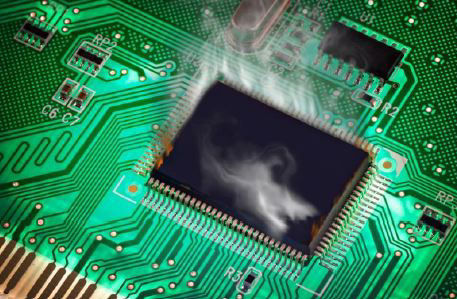
Thermal management refers to the science and engineering of controlling temperature within devices, systems, or industrial processes. As electronic components become smaller and more powerful, managing heat is no longer optional — it is essential for performance, reliability, and safety. From smartphones to electric vehicles (EVs) and renewable energy systems, thermal management plays a decisive role in ensuring stable operation and long service life.
Why Thermal Management Matters
Effective thermal management directly influences product reliability and efficiency:
Prevents overheating: Overheating can degrade materials, shorten component lifespan, and cause sudden failures.
Ensures safety: In batteries and power electronics, poor thermal design can trigger dangerous thermal runaway events.
Improves energy efficiency: Proper cooling reduces wasted energy and optimizes power conversion.
Enables innovation: Advanced cooling solutions allow engineers to push the limits of miniaturization and performance.
Thermal Management Materials
Selecting the right material is critical for balancing thermal conductivity, electrical insulation, and mechanical stability.
Common Materials in Thermal Management
| Entity (Material) | Attribute | Value (Key Benefit / Application) |
|---|---|---|
| Mica insulation | Dielectric strength & heat resistance | High-voltage insulation in EV batteries, cables, and transformers |
| Graphite sheets | Thermal conductivity | Efficient spreading of heat in smartphones and LEDs |
| Ceramic substrates | Mechanical stability & insulation | Power electronics modules, aerospace components |
| Phase-change materials (PCM) | Heat storage | EV battery packs, renewable energy storage |
| Metal heatsinks (Al, Cu) | Conductivity | Widely used in electronics cooling & industrial systems |
Mica insulation is especially valued for combining thermal stability and electrical insulation, making it suitable for applications where both heat and voltage must be managed simultaneously.
Thermal Management Techniques
Passive Cooling
Heat sinks & spreaders: Metal fins or plates dissipating heat naturally into surrounding air.
Thermal interface materials (TIMs): Fill microscopic gaps between surfaces, improving heat transfer.
Mica laminates & sheets: Offer both dielectric safety and thermal control in electrical systems.
Active Cooling
Air cooling: Fans and blowers increase airflow across hot components.
Liquid cooling: Pumps circulate coolant through pipes or cold plates, common in high-performance servers and EV batteries.
Spray cooling: Uses fine droplets to remove intense heat in compact spaces.
Advanced Solutions
Heat pipes & vapor chambers: Passive two-phase cooling systems used in laptops and smartphones.
Nanomaterials & composites: Graphene, carbon nanotubes, and advanced ceramics provide higher conductivity and lighter weight.
Hybrid systems: Combine passive and active methods for demanding environments.
Thermal Management in Key Industries
Electronics & Semiconductors
Modern chips, 5G devices, and power modules generate significant heat. Thermal management ensures signal integrity, prevents throttling, and supports miniaturization.
Electric Vehicles (EVs)
Battery packs: Require thermal barriers (mica insulation, PCM, liquid cooling) to prevent thermal runaway.
Inverters & motors: Laminates and cooling plates maintain efficiency under high loads.
Charging systems: Heat management ensures safety during fast charging.
Renewable Energy Systems
Wind turbines, solar inverters, and large-scale energy storage units rely on advanced cooling to maintain uptime and efficiency in harsh outdoor environments.
Aerospace & Defense
In high-reliability sectors, thermal management ensures stability across extreme temperatures, vibration, and radiation conditions. Materials like mica, ceramics, and composite laminates are critical.
Future Trends in Thermal Management
Nanotechnology integration: Graphene composites and nanostructured TIMs for better conductivity.
AI-driven thermal design: Simulation and predictive modeling to optimize cooling at the design stage.
Sustainable solutions: Eco-friendly, recyclable, and halogen-free materials.
Advanced mica-based composites: Combining traditional insulating performance with new thermal barrier applications for EV and aerospace markets.
Conclusion
Thermal management is no longer a hidden engineering detail — it is a strategic requirement in electronics, EVs, renewable energy, and aerospace. By choosing the right materials (such as mica insulation, ceramics, and advanced composites) and the proper cooling method, engineers can extend product lifespan, enhance safety, and enable innovation.
As industries evolve toward higher energy density and smaller designs,
Related Blog
Related Downloads

Company Address: Wushi Industrial Park, Xingwang Road, Pingjiang High-tech Industrial Park, Wushi Town, Pingjiang County, Hunan Province


This website supports both IPv4 and IPv6 access.