
Mica Heating Plate: The Core Insulating Heating Component Hidden Inside Heating Equipment
Published time:
2026-08-23 09:32
Source:


The Unsung Performer in Heating Equipment: Talking About Mica Heating Plates
Have you ever wondered how hair dryers, electric space heaters and various industrial heating equipment balance heating efficiency and electrical safety under high‑temperature operating conditions? Hidden inside many devices is an inconspicuous yet critical component — the mica heating plate.
As a planar resistive heating element, the mica heating plate is manufactured by composite pressing technology leveraging the inherent material properties of mica minerals. Widely applied in household appliances, industrial installations, new‑energy supporting facilities and many other fields, it quietly fulfills the dual functions of heat generation and electrical insulation.
What Is a Mica Heating Plate?
Mica is a naturally‑occurring layered mineral, and synthetic alternatives are also available. It exhibits good high‑temperature resistance and electrical insulation performance, together with stable heat conduction, making it an important insulating base material for the electric heating industry.
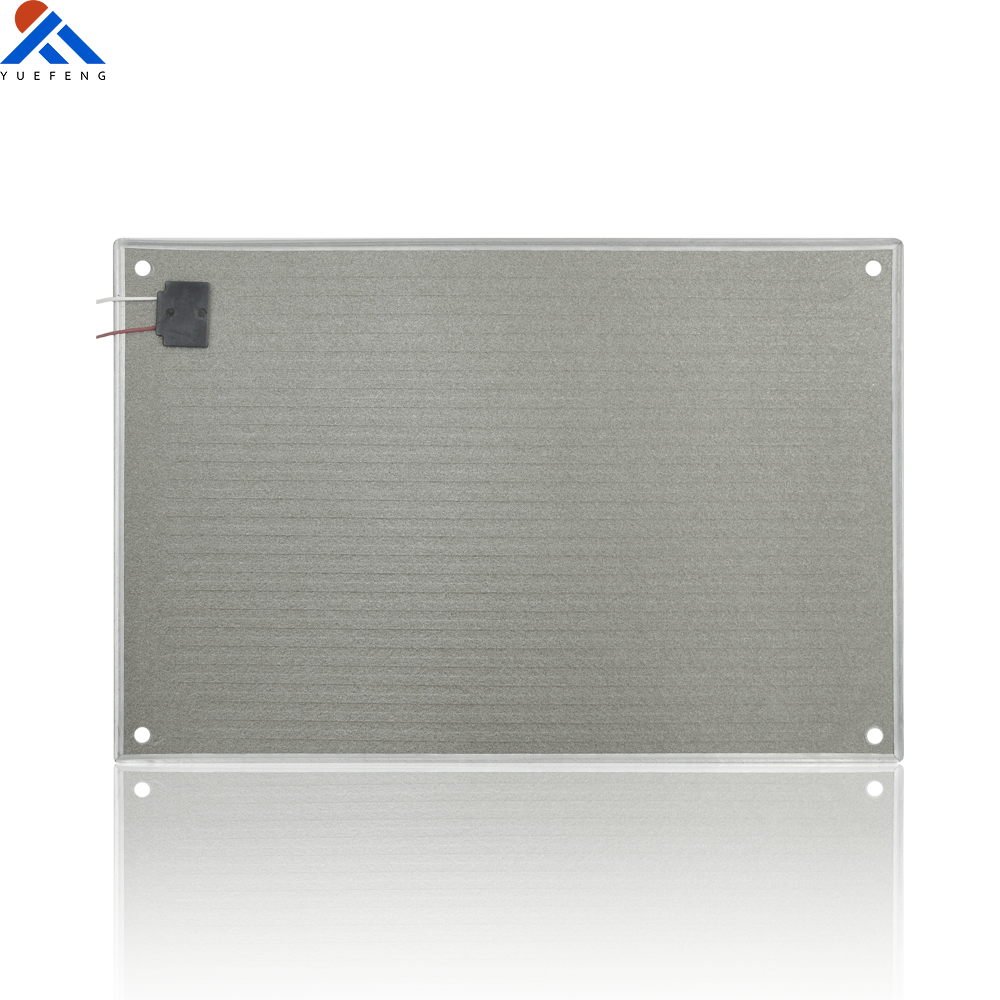
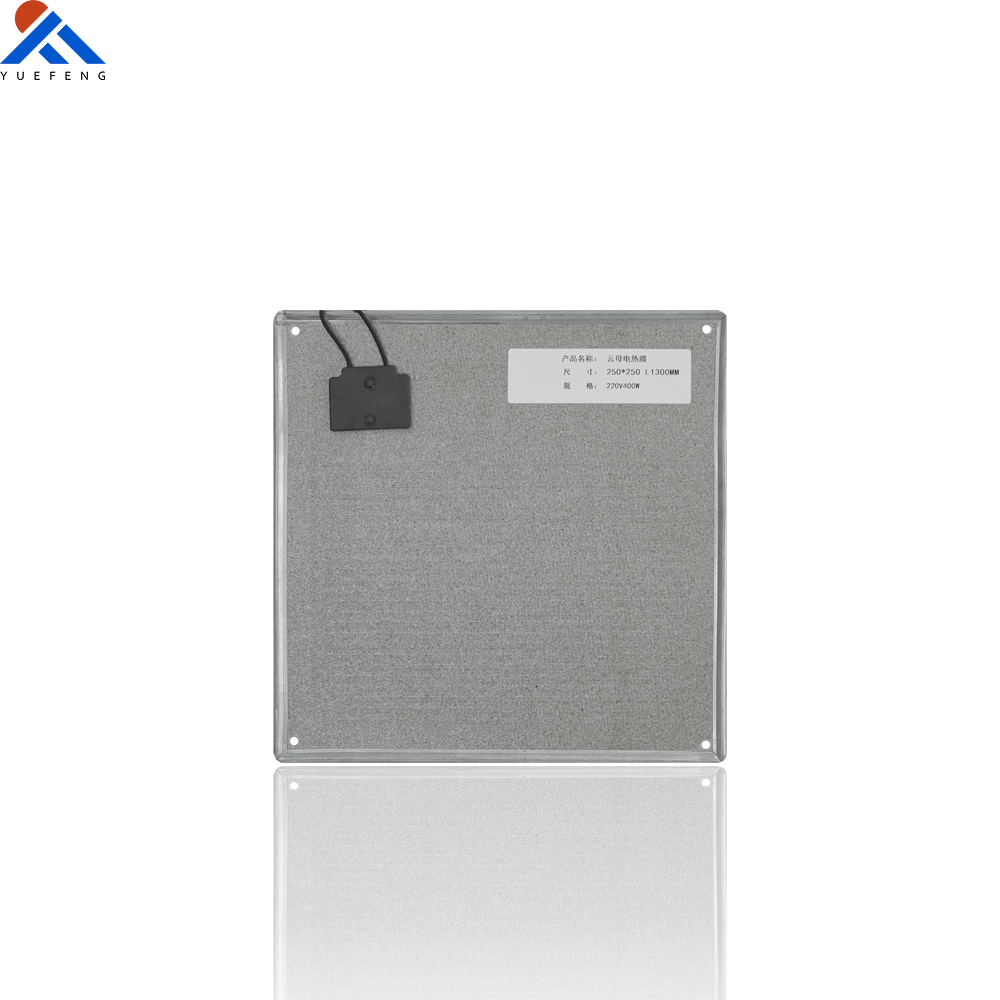
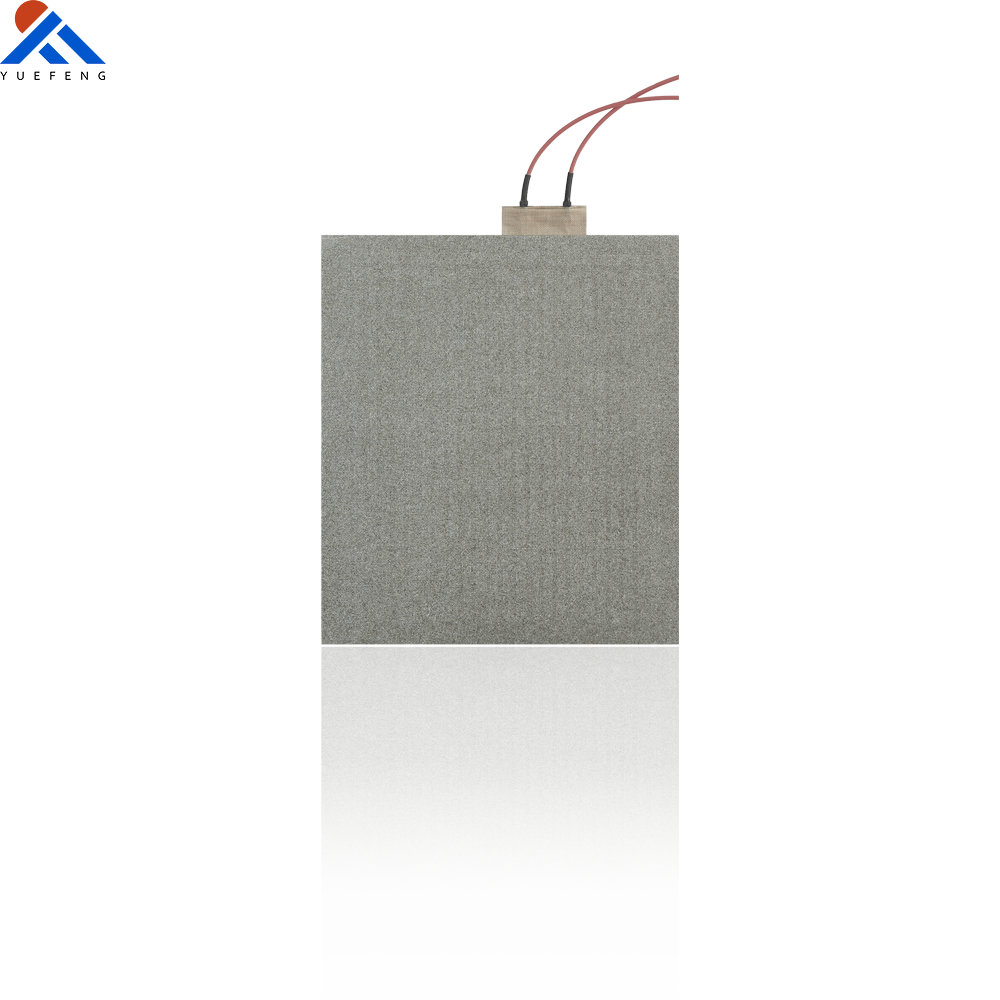
The mica heating plate features a multi‑layer composite structure. Alloy heating circuits are sandwiched between mica base materials and formed by pressing and curing. Simply put, mica serves as an insulating carrier to isolate internal heating circuits from the outer housing. When powered on, the heating element generates heat, which is evenly transferred outward through mica layers to achieve planar heat generation with no open flame during operation.
Two major types are widely available on the market: hard‑type and flexible‑type mica heating plates. The hard‑type boasts high hardness and favorable bending resistance, and can be easily drilled and stamped into various special‑shaped structures. The flexible‑type has certain pliability and allows moderate bending. It fits curved‑surface installation conditions and satisfies structural design requirements for different equipment.

What Practical Properties Does a Mica Heating Plate Have?
✅ High‑temperature Resistance Combined with Insulation Performance
Conventional plastic and rubber materials tend to age and melt under high‑temperature conditions. Mica base materials can maintain structural stability at elevated temperatures while retaining favorable insulating properties. They isolate electric current and reduce risks of electric leakage and short‑circuit under high‑temperature working conditions, adding a protective barrier for equipment operation.
✅ Uniform Heat Distribution and Fast Heating Response
As a planar heat source, it dissipates heat across the entire plate surface, minimizing the occurrence of local overheating. It features low thermal inertia and can reach target temperatures rapidly after power‑on. When paired with temperature‑control components, it enables stable temperature regulation and adapts to various working conditions such as constant‑temperature heating and intermittent heating.
✅ Excellent Processing Adaptability
The plates can be cut, drilled and compression‑molded. Their dimensions and shapes can be adjusted according to equipment space and power requirements. They can be adapted for either compact inner spaces of small household appliances or large‑size heating surfaces of industrial equipment, offering great flexibility for customization.
✅ Good Operational Stability
Under normal service conditions, it hardly emits odorous fumes when exposed to high temperatures. It features relatively stable chemical properties and favorable aging resistance, making it suitable for long‑term continuous‑operation scenarios.
Diverse Applications: From Daily Life to Industry
🏠 Household Appliance Sector
It can be found in equipment including hair dryers, electric irons, space heaters, electric heating tables and toasters. Serving as a core internal heating component, it provides a stable heat source to support routine heating functions of small household appliances.
🏭 Industrial‑equipment Scenarios
It is used as heating modules for plastic‑processing machinery, heat‑sealing equipment, compact industrial heating stations and drying units. It meets process requirements such as workpiece temperature rise, heat preservation and heat sealing, and adapts to medium‑and‑high‑temperature heating working conditions in industrial production.
🔋 Emerging Expansion Fields
With the continuous development of electrification, mica heating plates have been gradually applied in new‑energy supporting components and rail‑transit parts. Leveraging their advantages in insulation and heat resistance, they satisfy heating requirements for a wider range of new‑type equipment.
Tips for Application
Even premium‑grade materials can only deliver optimal performance with proper usage.
Mica heating plates have their own applicable power and temperature ranges. Actual model selection shall match the specifications according to equipment working conditions. Avoid over‑temperature and over‑load operation during application. Secure the plates firmly upon installation and prevent heavy impact from hard objects, so as to avoid cracking of the base material, which would compromise insulation and heating performance.
From household appliances to industrial production, as a well‑established heating component, the mica heating plate has no fancy appearance. Yet by virtue of its inherent material properties, it keeps creating value in the field of high‑temperature insulated heating. With the advancement of electrification across industries, such mica‑based heating elements will unlock more new application possibilities.

Related Blog
Related Downloads

Company Address: Wushi Industrial Park, Xingwang Road, Pingjiang High-tech Industrial Park, Wushi Town, Pingjiang County, Hunan Province


This website supports both IPv4 and IPv6 access.