
Application of mica in home appliances
Published time:
2025-08-05 10:47
Source:


Key Takeaways:
When you turn on your microwave, switch on a hair dryer, or use an electric iron, you're relying on a remarkable mineral that's been protecting household appliances for decades. Mica, with its unique combination of heat resistance and electrical insulation properties, works silently behind the scenes to keep your appliances running safely and efficiently.
This naturally occurring mineral has become indispensable in modern home appliances, providing the thermal barriers and electrical protection that make our daily conveniences possible. Understanding how mica contributes to appliance performance reveals why manufacturers consistently choose this material over synthetic alternatives.
From preventing dangerous electrical shorts to enabling precise heat control, mica's applications in household devices demonstrate the perfect marriage between natural materials and modern technology.
What Makes Mica Perfect for Home Appliances
Mica's exceptional properties make it an ideal choice for home appliance manufacturers. The mineral's ability to withstand temperatures exceeding 500°C while maintaining electrical insulation creates the perfect combination for heat-generating devices.
Unlike plastic components that can melt or warp under high temperatures, mica maintains its structural integrity and protective properties even when exposed to extreme heat. This reliability ensures appliances operate safely throughout their intended lifespan without compromising user safety.
The material's natural flame resistance adds another layer of protection. Should an appliance malfunction, mica components help prevent fire spread, providing crucial safety margins that protect homes and families.
Mica's thin, flexible sheets can be easily shaped and fitted into compact appliance designs. This workability allows manufacturers to integrate thermal protection exactly where needed without adding bulk or weight to finished products.
Microwave Ovens: The Hidden Protector

In microwave ovens, mica serves as a critical waveguide cover that protects the magnetron from food splatter and moisture while allowing microwaves to pass through efficiently. This thin, heat-resistant sheet prevents costly damage to the microwave's most expensive component.
The waveguide cover must withstand not only high temperatures from heated food but also the electromagnetic energy generated by the magnetron. Mica's unique properties make it transparent to microwaves while providing a durable barrier against contaminants.
Without proper mica protection, food particles and grease could reach the magnetron, causing arcing, burning, and potentially dangerous electrical failures. The mica barrier ensures clean microwave propagation while maintaining the oven's safety and performance standards.
Regular replacement of damaged mica waveguide covers keeps microwaves operating safely and efficiently. The material's affordability makes this maintenance cost-effective compared to magnetron replacement or complete appliance replacement.
Electric Irons: Precision Heat Control

Electric irons rely on mica's thermal properties to distribute heat evenly across the soleplate while protecting electrical components from excessive temperatures. Mica sheets create thermal barriers that prevent heat from damaging temperature sensors and control circuits.
The mineral's excellent heat conductivity ensures uniform temperature distribution, eliminating hot spots that could damage fabrics or create uneven pressing results. This consistent heat transfer is essential for achieving professional ironing results at home.
Mica insulation also protects the iron's internal wiring from heat damage that could cause shorts or fires. By maintaining electrical integrity under high-temperature conditions, mica enables safe operation even when irons are used for extended periods.
Steam irons benefit additionally from mica's moisture resistance. The material maintains its protective properties even in humid conditions, ensuring reliable performance regardless of steam generation levels.
Toasters: Safe Heat Containment

Toaster heating elements operate at extremely high temperatures to achieve the browning effect consumers expect. Mica sheets surround these elements, containing heat while preventing electrical components from overheating.
The mica in home appliances like toasters creates thermal barriers that direct heat toward bread slots while protecting the outer housing from dangerous temperature buildup. This design prevents burns while ensuring efficient toasting performance.
Mica's ability to withstand rapid temperature cycling makes it perfect for toaster applications. The material handles the constant heating and cooling cycles without degrading, maintaining protection throughout the appliance's lifetime.
Fire safety represents a critical concern in toaster design. Mica's natural flame resistance helps contain any potential fires within the appliance housing, providing users with additional safety margins during operation.
Hair Dryers: Thermal Protection Excellence

Hair dryers generate significant heat while operating in close proximity to users, making thermal protection essential for safety. Mica insulation surrounds heating elements, preventing dangerous surface temperatures while maintaining efficient heat transfer to the airstream.
The material's lightweight properties don't add unnecessary weight to handheld devices, maintaining user comfort during extended use. This balance between protection and practicality makes mica ideal for portable heat-generating appliances.
Mica barriers protect sensitive electronic components like switches and motor controls from heat damage. This protection ensures reliable operation and extends appliance lifespan by preventing heat-related component failures.
The mineral's resistance to humidity makes it particularly suitable for bathroom environments where hair dryers typically operate. Moisture resistance maintains protective properties even in steamy conditions.
Space Heaters: Robust Thermal Barriers
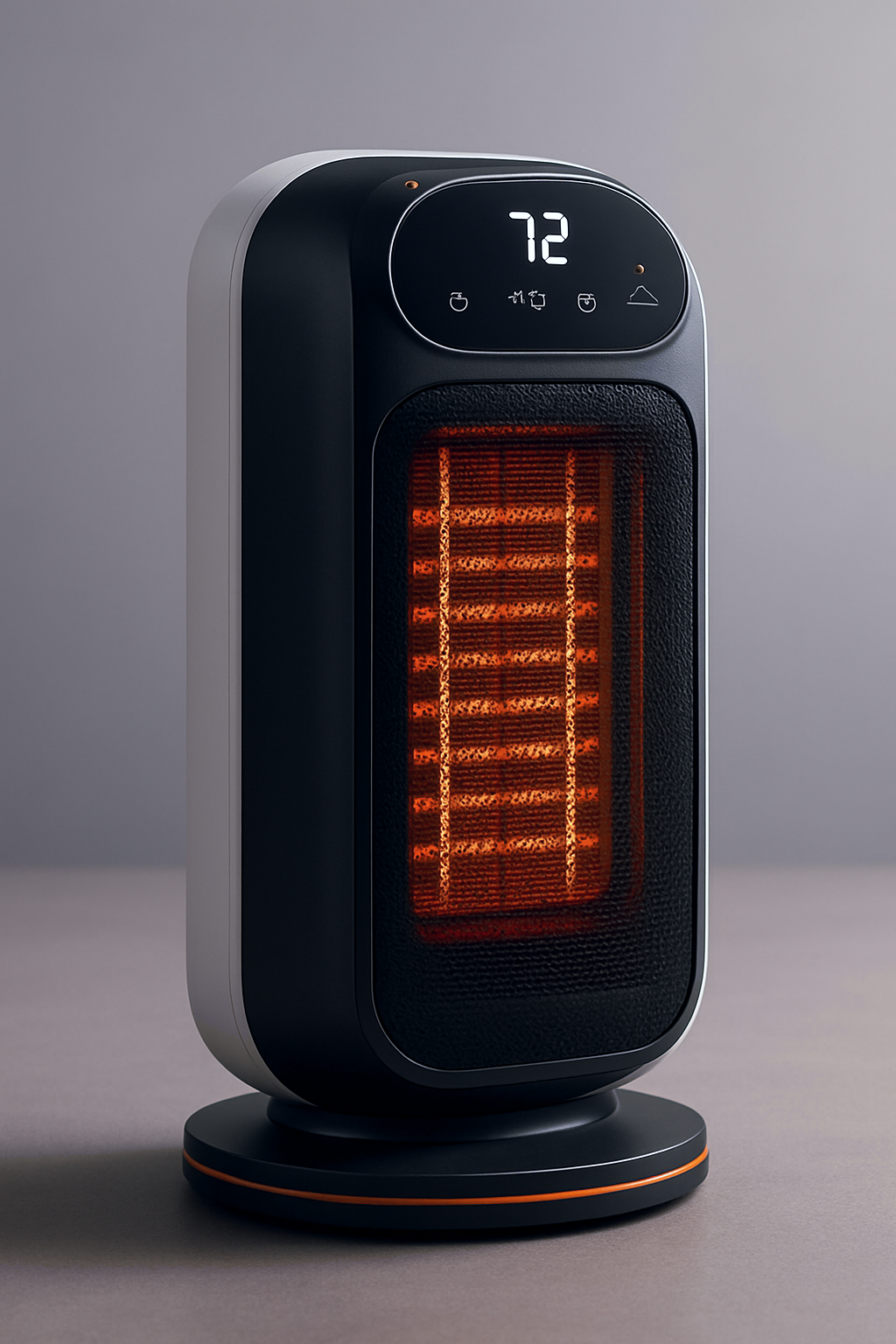
Electric space heaters require substantial thermal protection to operate safely in home environments. Mica sheets create effective barriers between high-temperature heating elements and outer housing, preventing dangerous surface temperatures.
Radiant heaters specifically benefit from mica's heat distribution properties. The material helps create even heat patterns while protecting surrounding components from thermal damage.
Convection heaters use mica insulation to direct heat efficiently into air circulation paths while protecting electrical controls and safety switches from temperature extremes that could cause malfunctions.
Safety shutoff systems in space heaters depend on mica protection to function properly. The material ensures temperature sensors receive accurate readings while remaining protected from direct heat exposure.
Electric Kettles: Steam and Heat Management

Electric kettles face the dual challenge of containing boiling water while protecting electrical components from steam and heat. Mica insulation creates effective barriers that maintain electrical safety in these demanding conditions.
The material's moisture resistance prevents steam infiltration into electrical compartments, reducing the risk of shorts or electrical failures. This protection is essential for appliances that generate substantial amounts of steam during normal operation.
Rapid heating requirements in modern kettles create intense thermal stress. Mica's ability to handle sudden temperature changes without degrading ensures consistent protection throughout repeated heating cycles.
Base heating elements in electric kettles operate at high temperatures while remaining submerged or in contact with water. Mica insulation provides the thermal barriers necessary for safe operation in these challenging conditions.
Coffee Makers: Brewing Temperature Control

Coffee makers require precise temperature control to extract optimal flavors while maintaining user safety. Mica insulation around heating elements ensures accurate temperature regulation while protecting electrical components.
Hot plates that keep coffee warm rely on mica barriers to prevent overheating while maintaining consistent serving temperatures. The material's thermal stability ensures reliable performance throughout extended warming periods.
Steam generation in espresso makers creates additional challenges for thermal protection. Mica's resistance to both heat and moisture makes it ideal for these demanding applications.
Internal wiring in coffee makers must withstand continuous heat exposure. Mica insulation protects these electrical components, ensuring reliable operation and preventing heat-related failures.
Future Applications and Innovations
Smart home appliances increasingly require sophisticated thermal management systems. Mica's proven reliability makes it an attractive choice for protecting sensitive electronic components in connected devices.
Energy efficiency regulations drive demand for better thermal insulation in home appliances. Mica's superior properties help manufacturers meet these requirements while maintaining safety standards.
Miniaturization trends in appliance design benefit from mica's thin profile and excellent protective properties. The material enables compact designs without compromising thermal protection.
Understanding applications of mica in appliances reveals why this natural mineral remains essential for safe, efficient home appliance operation across diverse applications and evolving technology requirements.
Related Blog
Related Downloads

Company Address: Wushi Industrial Park, Xingwang Road, Pingjiang High-tech Industrial Park, Wushi Town, Pingjiang County, Hunan Province


This website supports both IPv4 and IPv6 access.