
How to Choose the Right Aerospace Insulation Materials
Published time:
2026-01-28 10:31
Source:


You need to match material properties to tough aerospace needs. The right insulation helps with safety and performance. New reports say advanced insulation controls heat, lowers weight, and protects from fire. People want more comfort and safety on planes. Picking the wrong material can cause more risks and cost problems.
Aerospace insulation materials help solve these problems and keep planes working well.
Key Takeaways
- Pick insulation that fits your plane’s temperature needs. This helps keep the plane safe and comfy.
- Use light materials to save fuel and carry more cargo. Lighter insulation can help lower costs.
- Make sure insulation follows fire safety rules. This keeps people safe and follows the law.
- Choose insulation that blocks noise and cuts down shaking. This makes flying nicer for everyone.
- Look for chemical compatibility. This stops insulation from breaking and helps things work well.
Key Criteria for Aerospace Insulation
When you pick insulation for aerospace, you need to think about many things. Each feature changes how safe, strong, and reliable your aircraft is. You should match the insulation’s features to what you need. This helps you follow safety rules, make your plane work better, and keep costs low.
Temperature and Thermal Insulation Needs
Aircraft need protection from very hot and cold temperatures. Good thermal insulation keeps the inside comfy and protects important parts. It also stops water from building up and keeps metal from rusting. You need thermal protection systems that block heat from getting in or out. This keeps your equipment safe and helps save energy.
Here is a table that shows how different insulation materials work in thermal protection systems:
Some materials, like AFRSI, have very low thermal conductivity. This means they are great for high heat and flexible thermal protection systems. Using the right thermal insulation tiles helps you control temperature and protect your aircraft.
Tip: Always check the thermal limits of your insulation before you use it in hot areas.
Weight and Space Efficiency
Weight matters a lot in aerospace. Heavy insulation uses more fuel and costs more money. You want insulation that is light but still strong. Advanced aerospace plastics and composites can cut weight by half compared to metal parts. This makes your aircraft work better and lets you carry more people or cargo.
- Lighter insulation means you use less fuel.
- You can lower pollution and save money.
- Makers use smart designs to make insulation lighter but still strong.
When you choose insulation, look for options that save space and weight. This helps you meet strict aerospace rules and makes your aircraft work better.
Fire Resistance and Safety
Fire protection is very important in aerospace insulation. You need materials that stop fire from spreading and make little smoke. The Federal Aviation Regulation (FAR) 25.853 and EASA CS-25.853 have tough rules. Materials must put out fire fast and pass burn tests. For example, ceiling and wall panels must pass a 60-second vertical burn test. Seat cushions and fabrics have a 12-second test.
Some insulation materials are great at stopping fire:
- Mica can handle heat up to 1600°F and does not burn.
- It does not make bad gases or smoke.
- Dura-Trim materials are light, bend easily, and meet aerospace rules.
- Frontier FR materials stop flames and help lower noise.
You must always pick insulation that meets these fire safety rules. This keeps people safe and helps you follow the law.
Acoustic and Vibration Control
Noise and shaking can make flights uncomfortable and hurt equipment. You need acoustic insulation that absorbs sound and lowers shaking. Some insulation materials work very well for this:
- Polyurethane foam lowers shaking and absorbs noise.
- Polyethylene foam softens impacts and resists chemicals.
- Neoprene foam handles high heat and lowers shaking.
- Zote foams absorb energy and lower shaking.
- EVA foam is light and bends easily, good for impacts and shaking.
Polymer Technologies’ POLYDAMP Hydrophobic Melamine Foams protect against noise, water, and high heat. These foams help your aircraft stay quiet and comfy. They also help your systems last longer and meet safety rules.
Chemical Compatibility
You need to think about chemical compatibility, especially for fuel and hydraulic systems. Some liquids can hurt insulation materials. If the insulation breaks down, it can cause leaks or failures. Always pick insulation that can handle chemicals in your aircraft. This keeps your systems safe and working well, even in tough places.
Note: Chemical compatibility is just as important as thermal or fire resistance. Do not forget this when picking insulation for aerospace.
By focusing on these key criteria—thermal insulation, weight, fire protection, acoustic insulation, and chemical compatibility—you can find the best aerospace insulation materials for your needs. This helps you keep your aircraft safe, strong, and up to code.
Types of Aerospace Insulation Materials
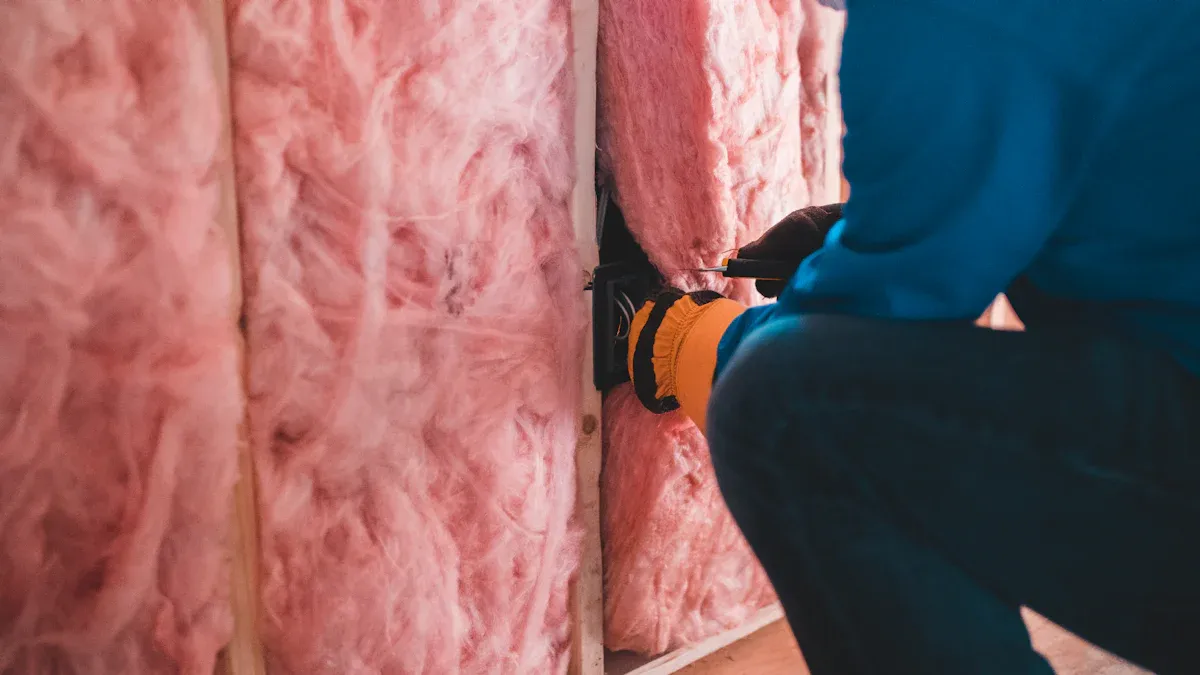
Fiberglass and Mineral Wool
Fiberglass and mineral wool are used a lot in planes. Fiberglass is light and bends easily. It fits well in small spaces inside aircraft. Mineral wool is heavier and stiffer. It blocks sound better and melts at higher heat. Both do not burn, so they help stop fires. The table below shows how they compare:
Fiberglass is the most common insulation in planes. It is light, safe from fire, and not too expensive.
Foamed Plastics (Polyurethane, Polystyrene)
Foamed plastics like polyurethane and polystyrene are very light. They are easy to shape and put in place. You can use them for packaging, heat shields, and wraps for electronics. They work well for many jobs but not in very hot or fire-risk areas.
Ceramic Fiber and Superwool®
Ceramic fiber and Superwool work well in high heat. Ceramic fiber blankets are used for flexible heat protection. Superwool keeps heat from moving and does not get wet. These materials help engines and exhausts lose less heat, up to 30% less.
Aerogel and Advanced Materials
Aerogel is very light and does not let heat pass through easily. It is used in heat shields and insulation tiles. Aerogel soaks up and bounces back heat, so it is good for tough jobs. But it can have problems with high heat and lasting a long time. New materials like Solarcore and Min-K work better for hard jobs in planes.
Multi-Layer and Film Insulation
Multi-layer insulation and film insulation use many thin sheets to stop heat. MLI is lighter and thinner than old types of insulation. It is used in spacecraft and satellites where weight matters a lot. Multi-foil insulation can block up to 95% of heat. These types are important for new heat protection systems.
Tip: Always pick insulation that fits your plane’s needs for heat, fire, and sound.
Application Areas for Insulation Materials in Aerospace
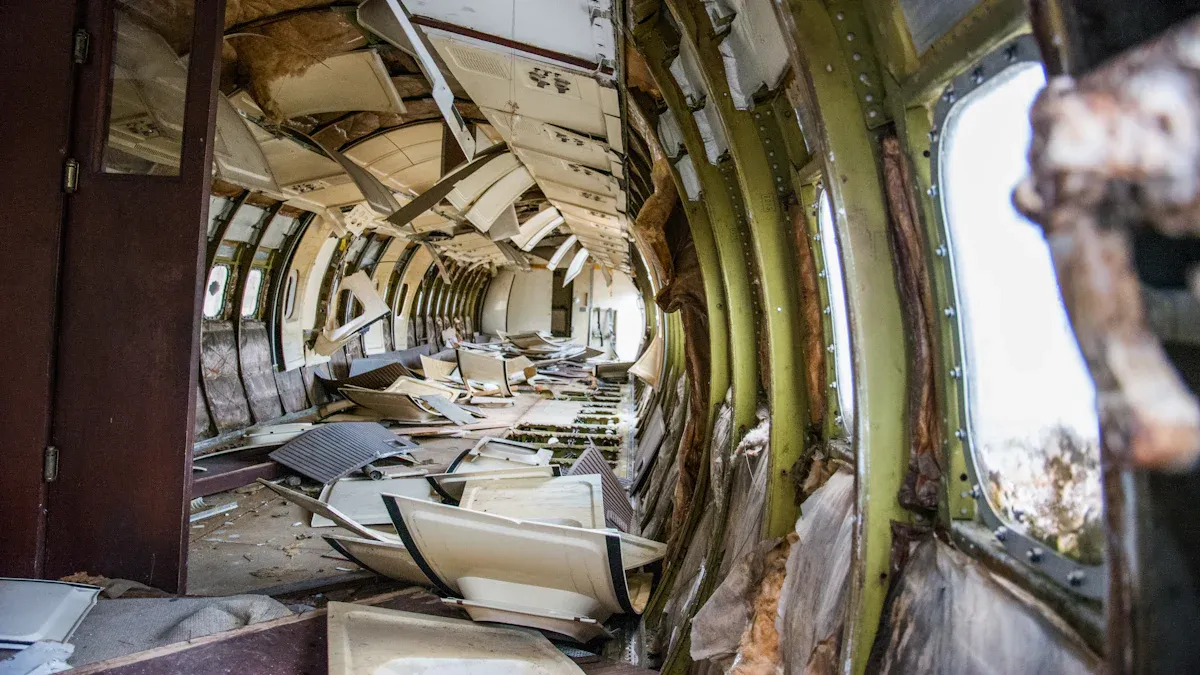
Cabin and Cockpit
The cabin and cockpit must be safe and quiet. Insulation helps make these areas comfortable. Melamine sponge foam board is used here a lot. Acoustic foam is also common in these spaces. Both materials stop fire and control noise and shaking. Melamine foam soaks up sound very well. Acoustic foam is light and blocks many sounds. This makes it easier for people to relax. Pilots and crew can talk without trouble.
- Melamine sponge foam board: Stops fire, controls noise and shaking.
- Acoustic foam: Light, blocks many sounds, helps comfort.
Insulation fabrics keep heat from moving and lower shaking. This protects the plane’s systems and helps them work together.
Foam materials, like open-cell foams, soak up sound. They turn sound waves into heat. This makes the plane quieter and does not add much weight.
Engine and Exhaust
Engines and exhaust parts get very hot. You need insulation that can handle this heat. It must protect other parts nearby. The best insulation here uses high-temperature materials. Ceramic coatings bounce heat away and last long. Stainless steel stands up to heat and rust. Fiberglass is light and blocks heat well. Composite materials are strong and help save fuel.
You should use thermal insulation tiles and flexible protection here. This keeps these parts safe and working well.
Avionics and Electronics
Avionics and electronics need to stay cool and safe. They also need to be quiet and free from electric problems. Insulation keeps heat and noise away from these parts. It also blocks water and stops short circuits. The right insulation helps electronics last longer and work better.
Fuel and Hydraulic Systems
Fuel and hydraulic systems need insulation that fights chemicals and heat. PTFE and fluoropolymers are used a lot here. These materials slide easily and handle hot and cold. They also block electricity and stop leaks. This keeps your systems safe.
Picking the right insulation for each area is important. It helps you follow safety rules and save money. Good insulation protects your plane and keeps all systems working.
Evaluating and Selecting Insulation Materials
When you pick insulation for planes, you have many choices. You need to see if each one is safe, works well, and fits your budget. It is also important to check if the insulation matches your plane’s thermal protection systems and other needs.
Industry Standards and Testing
You should always make sure insulation meets important rules. These rules help keep planes safe and working right. Some main standards are:
- MIL-I-24768 for electrical insulation materials
- ASTM D709 for laminated thermosetting materials
- UL 94V-0 for flammability testing
- FAR 25.853 for flammability and toxicity in aircraft interiors
If insulation passes these tests, you can trust it more. The AS9100 Quality Management System helps you find good suppliers. This system helps lower costs and makes sure you get quality products.
Performance and Cost Analysis
You need to see how insulation works in real life. Check if it does well in thermal protection systems, thermal insulation tiles, and hot places. You should also see if it helps with sound and fire safety. Compare how much each type costs over time. Some insulation may cost more at first but last longer and save money. Always think about weight, space, and how easy it is to put in.
Tip: Try using a decision matrix to compare insulation. Write down your needs, give each material a score, and choose the best one.
Supplier and Quality Considerations
You must pick suppliers who follow aerospace rules. Good suppliers give you papers like test results and certificates. These show their insulation meets standards for high-temperature, thermal, and multilayer insulations. Look for these signs of a good supplier:
- First Article Inspection Report (FAIR)
- Critical to Quality (CTQ) checks
- Lot traceability
- Material certification
- Quality System Assessment (QSA)
- Customer Satisfaction Quality Program (CSQP)
A checklist can help you pick the best insulation for your plane. This keeps your thermal insulation tiles, thermal protection systems, and other parts safe and strong.
You must pick the right insulation for each part of a plane. This helps keep the plane safe and working well. Use this checklist to help you choose insulation:
You should ask aerospace experts for advice and check the rules. Sometimes you need polyphenylsulfone for the cabin. You might need polyphenylene sulfide for engine parts. These resources can help you learn more:
Keep learning and always use the best insulation for your plane.
FAQ
What makes aerospace insulation different from regular insulation?
Aerospace insulation is special because it handles tough jobs. It works in very hot and cold places. It also follows strict safety rules. Regular insulation cannot protect planes from fire or chemicals. It does not stop shaking or save space like aerospace insulation. Aerospace insulation also helps make the plane lighter.
How do you know if insulation meets aerospace standards?
You need to look for certifications like FAR 25.853 or AS9100. These show the insulation passed fire and chemical tests. They also check how well it works. Always ask your supplier for test reports before you use insulation in a plane.
Why does weight matter when choosing insulation for aircraft?
Planes need to be light to use less fuel. Light insulation helps you save money. It also lets the plane carry more people or things. Heavy insulation can slow the plane down and cost more.
Where do you use insulation inside an aircraft?
Insulation goes in the cabin, cockpit, engine, and around electronics. Each part needs special insulation to block heat and noise. It also protects from fire. Aerospace insulation keeps every part safe and comfy.
Can one insulation material work for all aerospace needs?
You cannot use just one insulation for everything. Each part of a plane has different needs. Some parts get hot, some are noisy, and some face chemicals. You must pick the right insulation for each job.
Related Blog
Related Downloads

Company Address: Wushi Industrial Park, Xingwang Road, Pingjiang High-tech Industrial Park, Wushi Town, Pingjiang County, Hunan Province


This website supports both IPv4 and IPv6 access.