
Mica in Steel & Foundry Industry: Insulation & Slip Plane Guide
Published time:
2026-01-29 08:34
Source:


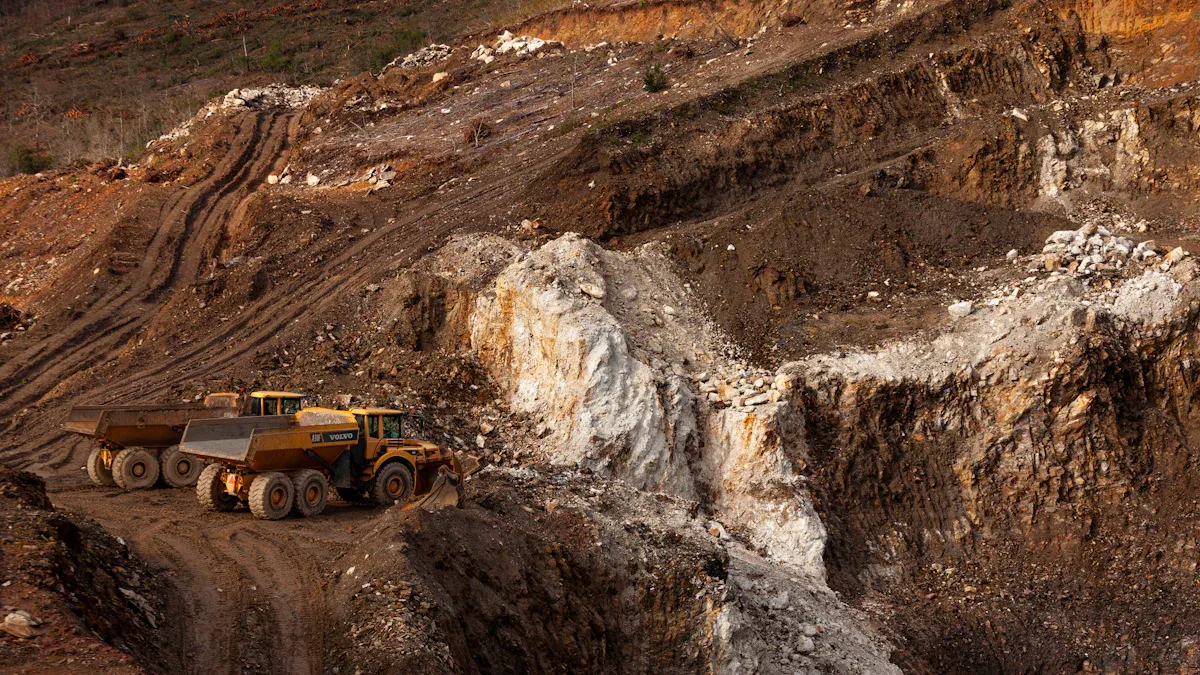
Mica is very important in the foundry and steel industry. Engineers use mica because it insulates, helps things slide, and works as a release agent. In foundry work, mica makes a protective layer on molds. This layer stops heat from escaping and saves energy when making steel. Mica does not get ruined by high heat, so machines last longer and break less often. Mica also helps make better steel by lowering the number of mistakes in steel castings.
Key Takeaways
- Mica is a strong insulator. It keeps heat inside furnaces. This helps save energy when making steel. Using mica makes machines last longer. It stops equipment from wearing out fast. This means fewer repairs are needed. Mica is also a release agent. It helps steel castings come out smoother. This lowers the number of mistakes in the final product. Picking the right mica, like phlogopite for high heat, is important. It makes steel plants safer and work better. Mica helps the environment too. It saves energy and protects nature if used the right way.
Mica Benefits in the Steel Industry

Thermal and Electrical Insulation
Mica helps keep heat inside steel furnaces. It also stops electricity from causing problems. Workers use mica to save energy and keep things hot. This makes steelmaking safer and more steady. The table below shows how mica compares to other insulation materials:
Mica lets more heat pass than some other materials. But it does not change when temperatures go up or down. Mica also keeps workers and machines safe from electricity. It stops short circuits and protects people and equipment. Safety is very important in steelmaking.
Tip: Mica insulation blocks electrical dangers. It is a smart pick for places that get very hot.
Heat Resistance and Corrosion Protection
Mica can handle very high heat. It works well in steelmaking because furnaces get super hot. Mica does not melt or lose its shape when it gets hot. It keeps working as a heat barrier, even in tough places.
Mica also protects steel machines from rust. When used as a cover, mica stops chemicals and water from hurting metal. This keeps machines working longer and means fewer repairs. Steel plants use mica because it does not react with most chemicals.
Slip Plane and Equipment Longevity
Mica helps layers in furnaces move a little. This stops cracks when things get hot or cool down. It helps machines last longer and need less fixing.
Mica products warn workers about damage early. This can stop bigger problems and save time. Mica also helps in heaters, boilers, and furnace wires. By stopping cracks and making machines last longer, mica saves money and keeps steel plants working.
- Mica helps steel machines last longer.
- It stops cracks and sudden breakdowns.
- Mica helps steel plants save money and avoid delays.
Applications of Mica in Foundry and Steel Industry
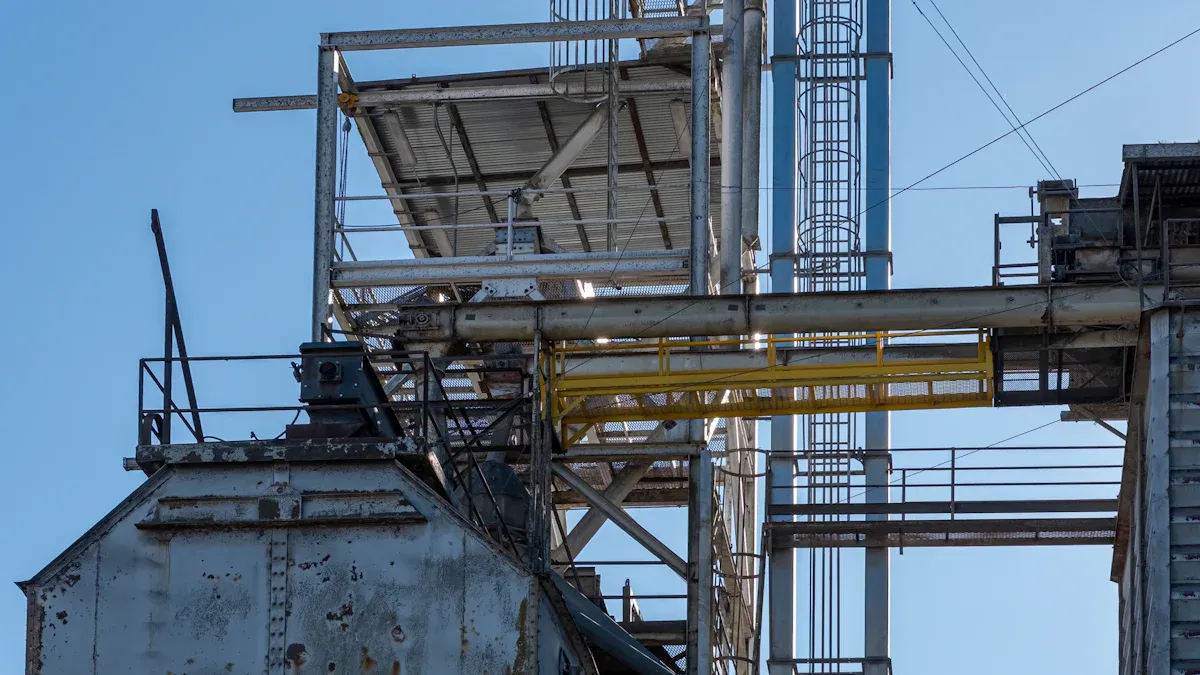
Furnace Linings and Mold Coatings
Mica is important for furnace linings. It helps protect equipment from very high heat. Mica acts as a slip plane, so linings can move when it gets hot or cold. This movement stops cracks and keeps the lining strong. Mica also takes in stress, so coil grout and furnace castings stay safe. The table below shows how mica helps compared to other materials:
Mica helps furnace linings last longer. It saves money by lowering repair costs and stopping heat loss. Foundries use mica to help warn about molten metal leaks.
Release Agent and Casting Precision
Mica is used as a release agent in mold coatings. It helps steel castings come out of molds without sticking. Workers see fewer problems because mica makes the surface smoother. This means steel parts look nicer and need less fixing. Mica helps make casting more exact, so less material is wasted.
Note: Mica in mold coatings helps lower casting problems and makes steel products better.
Energy Savings and Product Quality
Mica gives strong insulation, which saves energy in steel plants. It keeps heat inside furnaces, so less fuel is needed. The table below shows how mica helps make better steel and saves energy:
Steel plants use mica to keep heat steady. This helps workers make better steel with fewer mistakes. Mica helps save energy and makes the final product better.
Types and Forms of Mica Insulation
Muscovite and Phlogopite Varieties
Muscovite mica and phlogopite mica are the main types used. Each type has special features that make it useful. Muscovite mica is best when you need strong electrical insulation. Phlogopite mica can handle higher heat and fights off strong alkalis and water. The table below shows how these two types are different:
Phlogopite mica works better when things get very hot. That is why it is used in steelmaking. Muscovite mica is great for electrical insulation in steel plants.
Sheet, Flake, and Ground Mica
Mica insulation comes in different forms. Each form is used for a special job. Sheet mica is used to make laminates. These laminates block heat and electricity. Flake mica is used in coatings and helps molds release steel parts. Ground mica has tiny pieces that help stop heat and electricity. It is also good for blocking sound.
- Ground mica is put on welding rods as a coating.
- It is used to coat molds and cores.
- It helps block sound in coatings and plastic systems.
Smaller ground mica pieces make insulation better. They also help keep materials strong. The shape and size of mica pieces help foundry products stay strong and keep their shape.
Selection for Industrial Value
Picking the right mica depends on what the steel plant needs. Phlogopite mica is picked for hot places. Muscovite mica is picked for electrical jobs. Sheet mica and laminates protect machines and keep them strong. Flake and ground mica help coatings work better and make products last longer.
Mica is valuable because it keeps things strong and working in tough places. Mica insulation helps steel plants save money and protect machines. Choosing the right mica helps keep workers safe and makes better steel.
Economic and Environmental Value of Mica
Maintenance and Downtime Reduction
Mica helps steel plants spend less on repairs. Machines last longer because mica insulation is strong. It does not get damaged by heat or chemicals. This means equipment works well for a long time. The table below shows how mica helps with repairs:
Steel plants use mica to keep machines running. When machines do not break, more steel gets made. Factories get steady mica supplies to help them work better.
Cost-Effectiveness and Safety
Mica helps steel plants save money and protect people. Mica sheets cover furnace parts and keep heat inside. This helps stop burns and accidents. Workers are safer because mica keeps things cool and blocks heat. Steel plants use less energy and fix machines less often, so they save money.
Safety Tip: Mica insulation keeps workers safe from hot surfaces and sudden dangers.
Mica also helps companies spend less on fixing machines. The steel industry has fewer problems and safer places to work.
Sustainability in Steel Industry
The steel industry has many problems with the environment. Mica helps with sustainability, but mining mica can hurt nature. Digging for mica can destroy animal homes and cause soil to wash away. Water near mines can get dirty and harm fish and animals. In places like Giridih district, India, too much mining puts bad metals in the ground. This is dangerous for people and animals nearby.
Mining can also cut down trees and make dust and noise. Steel plants need to use mica in a way that does not hurt the earth. Companies should buy mica from suppliers who care about the environment. Using mica the right way helps protect nature and makes the future cleaner.
Mica is very important in the foundry and steel industry. The table below shows how mica helps with insulation, saves energy, and protects machines:
Mica helps machines last longer and work better because it insulates and lets layers move. New mica technology will help the environment, make stronger materials, and support green solutions in the future.
FAQ
What makes mica important in steel plants?
Mica keeps heat inside machines. It stops heat from escaping. This helps machines last longer. Workers use mica to protect equipment. Mica also helps save energy. It makes making steel safer for everyone.
How does mica improve casting quality?
Mica works as a release agent. It helps steel parts come out of molds easily. This means there are fewer mistakes. The finished steel looks nicer and smoother.
Which type of mica works best for high temperatures?
Phlogopite mica can take more heat than muscovite mica. Steel plants use phlogopite in furnaces and other hot places.
Related Blog
Related Downloads

Company Address: Wushi Industrial Park, Xingwang Road, Pingjiang High-tech Industrial Park, Wushi Town, Pingjiang County, Hunan Province


This website supports both IPv4 and IPv6 access.