
Mica as a Dielectric: Superior Electrical Insulation
Published time:
2018-05-31 10:38
Source:


Key Takeaways:
When engineers need reliable electrical insulation that performs under extreme conditions, they turn to one of nature's most remarkable materials: mica. This crystalline mineral has protected electrical systems for over a century, earning its reputation through consistent performance where other materials fail.
Understanding what makes mica such an effective dielectric reveals why it remains indispensable in modern electrical applications, from power generation equipment to sensitive electronic devices.
What Makes Mica an Exceptional Dielectric Material
Mica's unique crystal structure creates an almost perfect electrical insulator. The mineral consists of thin, flat layers held together by weak molecular bonds, allowing it to split into incredibly thin sheets while maintaining excellent electrical resistance.
This layered structure prevents electrical current from flowing through the material while allowing electric fields to pass safely. The result is a dielectric that can handle extreme voltages without breaking down or compromising system safety.
Natural mica varieties, particularly muscovite and phlogopite, offer the most stable dielectric properties. Their consistent molecular arrangement ensures predictable performance across different environmental conditions.
Key Dielectric Properties That Matter
Outstanding Dielectric Strength
Mica delivers impressive dielectric strength, typically ranging from 2,000 to 4,000 volts per millimeter. This means a single millimeter of mica can withstand up to 4,000 volts before electrical breakdown occurs - far exceeding most synthetic alternatives.
This high breakdown voltage makes mica ideal for high-voltage applications where safety margins are critical. Power transformers, generators, and industrial switchgear rely on this property to prevent catastrophic electrical failures.
Consistent Dielectric Constant
Research shows that muscovite mica maintains a stable dielectric constant of approximately 7.0 across various samples and conditions. This consistency allows engineers to predict exactly how the material will behave in different electrical environments.
The stable dielectric constant means mica performs reliably in capacitor applications, where precise electrical characteristics are essential for proper circuit operation. Unlike materials that vary with temperature or humidity, mica maintains its electrical properties consistently.
Minimal Dielectric Loss
Mica exhibits extremely low dielectric loss, typically less than 0.0003 at room temperature. This means virtually no electrical energy is wasted as heat when electric fields pass through the material.
Low dielectric loss is crucial for high-frequency applications, where energy waste can significantly impact system efficiency. Radio frequency equipment, microwave systems, and precision electronic instruments all benefit from mica's minimal energy loss characteristics.
Temperature Stability Sets Mica Apart
One of mica's most valuable features is its exceptional thermal stability. While synthetic dielectrics often degrade at high temperatures, mica maintains its dielectric properties at temperatures exceeding 500°C continuously and can withstand short-term exposure to temperatures over 1000°C.
This thermal stability proves invaluable in applications where heat generation is unavoidable. Motor windings, transformer cores, and heating element insulators all rely on mica's ability to maintain electrical integrity under thermal stress.
The combination of electrical and thermal stability makes mica irreplaceable in demanding industrial environments where both high voltage and high temperature conditions exist simultaneously.
Industrial Applications Where Mica Excels
Power Generation and Distribution

Electric utilities depend on mica insulation in generators, transformers, and high-voltage switchgear. The material's ability to handle extreme voltages while resisting thermal breakdown makes it essential for reliable power system operation.
Large generators use mica tape and sheets to insulate windings that carry thousands of amperes and operate at voltages exceeding 20,000 volts. The material's proven track record in these critical applications demonstrates its reliability.
Electronic Component Manufacturing
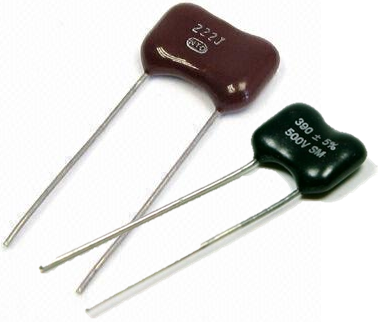
Capacitor manufacturers value mica for its stable dielectric constant and low loss characteristics. Mica capacitors provide precise electrical values that remain consistent over time, temperature, and frequency ranges.
These components are essential in radio frequency circuits, precision timing applications, and measurement equipment where electrical accuracy is paramount. The mica dielectric properties ensure long-term stability and reliable performance.
Heating and Thermal Applications
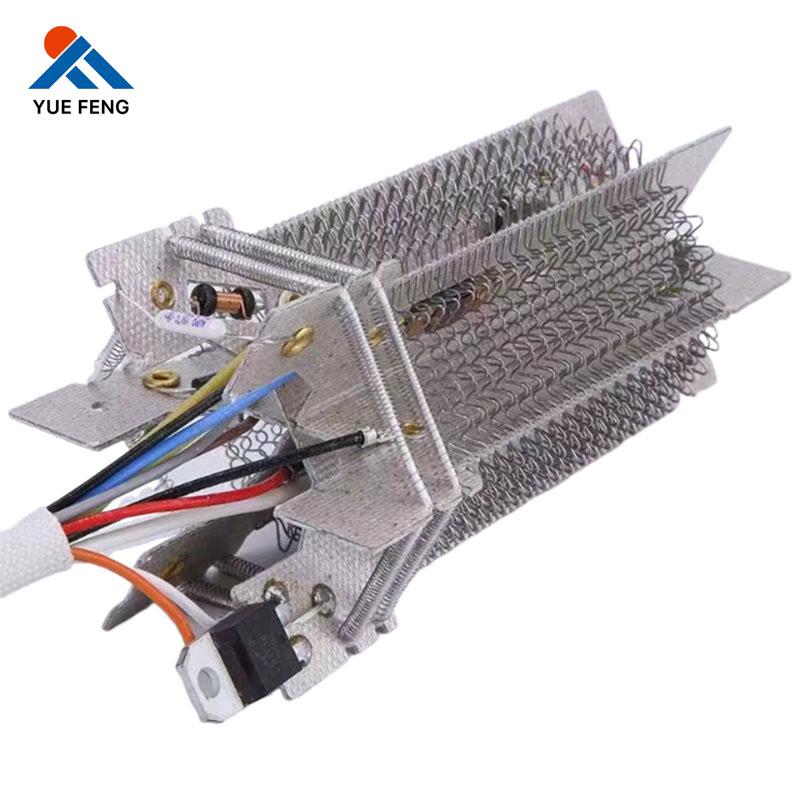
Industrial heating systems incorporate mica as both electrical insulation and thermal barriers. The material allows efficient heat transfer while maintaining electrical isolation between heating elements and surrounding structures.
Heating element manufacturers use mica sheets to support and insulate resistance wires, creating safe, efficient heating systems for industrial processes, household appliances, and specialized equipment.
Advantages Over Synthetic Alternatives
Natural mica offers several advantages over manufactured dielectric materials. Its crystalline structure provides inherent stability that doesn't degrade over time like organic polymers. Mica doesn't release harmful gases when heated, making it safer for enclosed applications.
The material's hydrophobic properties help maintain consistent electrical performance in high-humidity environments. While synthetic materials may absorb moisture and lose their insulating effectiveness, mica resists water absorption and maintains its dielectric strength.
Mica's natural resistance to radiation makes it valuable in aerospace and nuclear applications where synthetic materials might deteriorate under radiation exposure.
Quality Considerations for Optimal Performance
Not all mica provides the same level of performance. Quality depends on the source, processing methods, and intended application. High-grade electrical mica undergoes careful selection and processing to ensure consistent properties.
Manufacturers test mica samples for dielectric strength, thermal stability, and mechanical integrity before approving them for critical applications. This quality control ensures reliable performance in demanding electrical environments.
Proper handling and storage also affect mica's performance. The material should be kept dry and protected from contamination that could compromise its electrical properties.
Future Applications and Developments
As electrical systems become more sophisticated, mica continues finding new applications. Electric vehicle charging infrastructure, renewable energy systems, and advanced electronics all benefit from materials that handle high voltages reliably.
Research into mica-based composite materials expands potential applications while preserving the core dielectric advantages that make natural mica valuable. These developments may lead to enhanced materials with improved mechanical properties while maintaining mica's electrical excellence.
Understanding mica as a dielectric helps engineers select the right insulation materials for their specific requirements, leading to safer, more reliable electrical systems across all industries.
Previous Page
Related Blog
Related Downloads

Company Address: Wushi Industrial Park, Xingwang Road, Pingjiang High-tech Industrial Park, Wushi Town, Pingjiang County, Hunan Province


This website supports both IPv4 and IPv6 access.